Faith Nyasuguta

In November 2024, Chad ordered French troops to leave, ending approximately six decades of military cooperation. Less than two years later, Paris and N’Djamena are rebuilding their defence relationship.
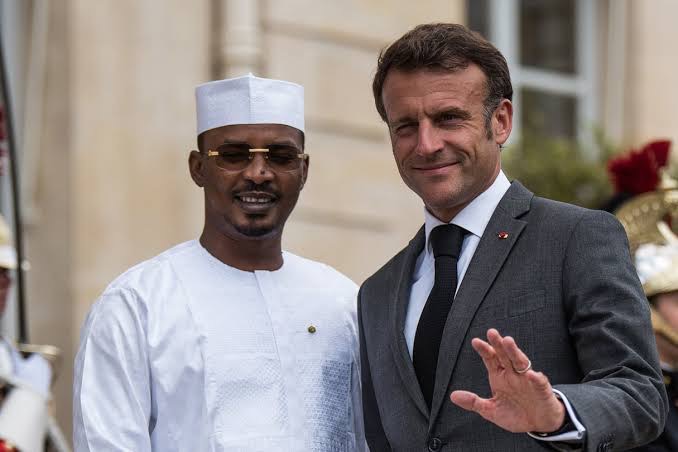
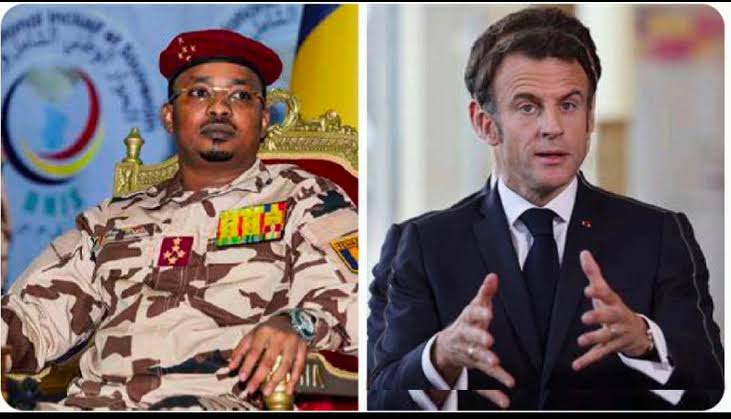
On Tuesday, October 13, 2026, French President Emmanuel Macron welcomed Chadian President Mahamat Idriss Déby Itno to the Élysée Palace, where their defence ministers signed a declaration of intent establishing a framework for renewed military cooperation. For clarity, the document is not a fully negotiated defence treaty or an agreement restoring permanent French military bases.

From Expulsion To Renewed Cooperation

Chad’s decision to terminate its defence agreement with France in November 2024 was a significant setback for Paris. By January 31, 2025, France had completed its withdrawal from military facilities in N’Djamena, Faya and Abéché.

Approximately 1,000 French troops departed, ending one of France’s longest-standing permanent military deployments in Africa. The withdrawal followed similar developments in Mali, Burkina Faso and Niger, where military-led governments had increasingly challenged France’s security role. Yet Chad’s diplomatic relationship with Paris did not remain frozen.
Macron and Déby met in January 2026 and again during the Africa-France summit in Nairobi in May, establishing the groundwork for October’s agreement.

French Intelligence Never Completely Left
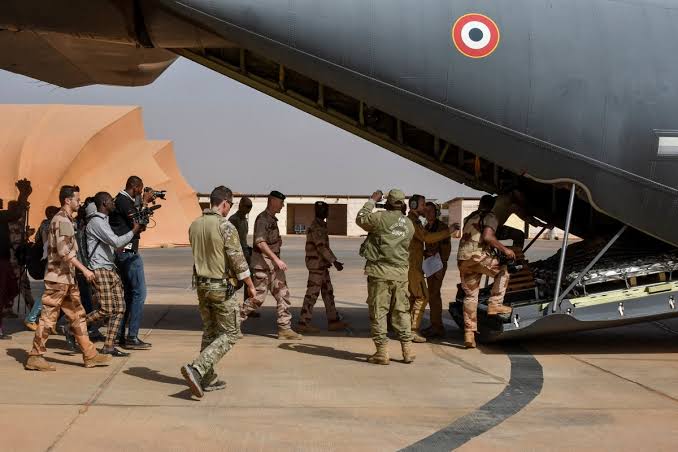
The most revealing aspect of the renewed partnership may be what happened before the signing ceremony. According to reporting by French media, intelligence cooperation continued discreetly despite the formal rupture.
French intelligence personnel have reportedly worked alongside Chad’s security services, while surveillance aircraft have monitored areas around Lake Chad where Boko Haram operates. The renewed framework covers military training, technical expertise, defence technology and industrial cooperation.
However, neither government has announced the return of permanent French military bases.France is rebuilding military cooperation without publicly restoring its previous troop deployment model.
Chad Faces Growing Regional Security Pressures
Chad’s renewed engagement with France comes amid serious regional instability. Sudan’s civil war, which began in April 2023, has displaced millions of people, with approximately one million refugees crossing into neighbouring Chad, according to figures cited in reporting on the diplomatic talks.
Meanwhile, Boko Haram remains active around Lake Chad, while armed groups operating near Libya and Niger present additional security concerns. These pressures have increased Chad’s demand for intelligence, surveillance and military capabilities.
N’Djamena has also explored security relationships with Turkey, the United Arab Emirates and Russia, reflecting its efforts to diversify international partnerships.
A $30 Billion Economic Ambition
The renewed relationship extends beyond military cooperation. On September 25, 2026, French employers’ federation Medef organised a business forum involving approximately 250 companies, focusing on investment opportunities in Chad.
The country is seeking to mobilise $30 billion in investment and achieve a 60% increase in GDP by 2030. These are government development targets, not guaranteed economic outcomes. French businesses are exploring opportunities in infrastructure, healthcare, energy, transport and education.
France’s economic relationship with Chad also remains substantial. Official French figures show that bilateral trade in 2024 included approximately €117 million in French exports and €414 million in imports from Chad.
French investment, however, has declined over time, with the stock of French direct investment falling from €111 million in 2019 to €50 million in the latest figures published by France’s foreign ministry.
A New Agreement, Who Sets The Terms?
Both governments describe the renewed partnership as one founded on mutual respect and shared interests. For Chad, the challenge is securing military and economic support while retaining greater control over foreign involvement.
For France, the agreement creates an opportunity to rebuild cooperation in a region where its military presence has contracted significantly. The declaration signed on October 13 establishes a framework, but important operational details remain unresolved.
Whether the relationship develops into a durable defence arrangement will depend on subsequent negotiations, implementation and the priorities of both governments.
The central development is that France and Chad have resumed formal defence cooperation, but the military relationship they are rebuilding is not yet the one that existed before November 2024.
RELATED: