Faith Nyasuguta

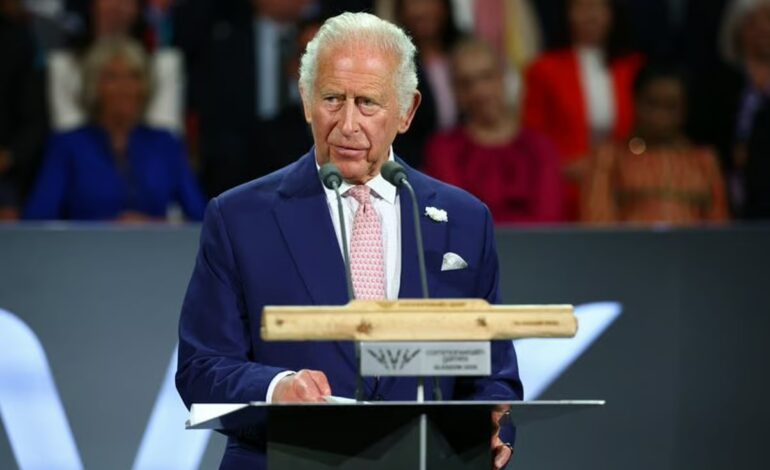
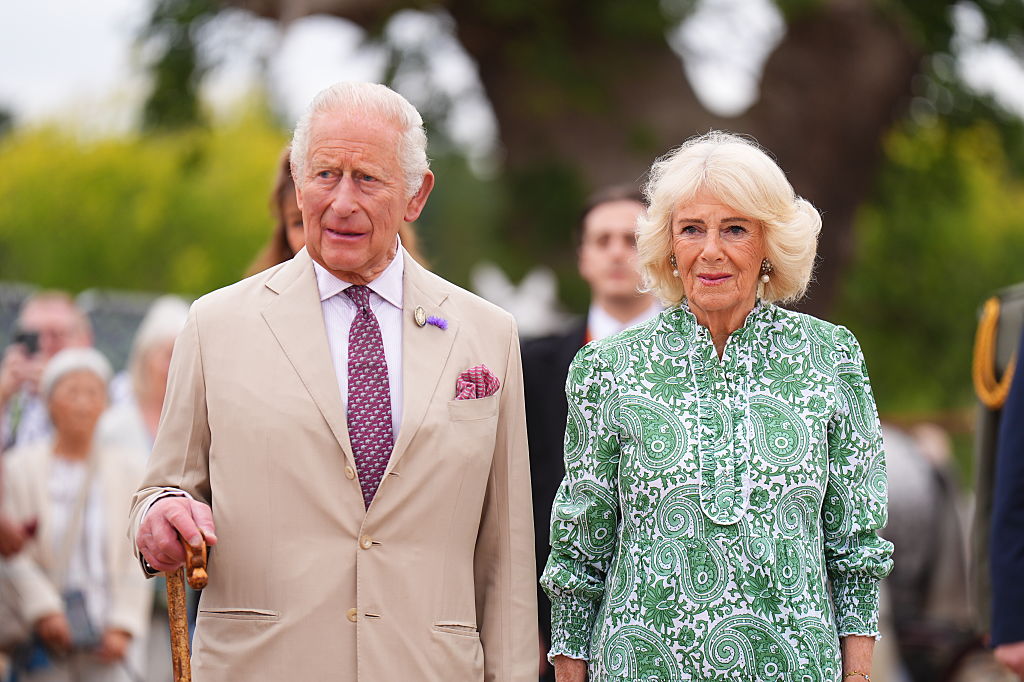
King Charles III is preparing to confront one of the most difficult parts of Britain’s history when he visits the Caribbean later this month, as former British colonies intensify demands for a reckoning with slavery, colonialism and their lasting economic consequences.
Charles and Queen Camilla are due to visit the Bahamas and Guyana before travelling to Antigua and Barbuda for the Commonwealth Heads of Government Meeting (#CHOGM), scheduled for November 1–4, 2026. The timing puts Britain’s relationship with the Caribbean under particular scrutiny, with reparations expected to be among the issues discussed by Commonwealth governments.

Buckingham Palace has said the programme will not avoid the history of slavery. A palace spokesperson said the visit would not shy away from what Charles has described as “the darkest days of our past”, while stressing that the tour would also focus on the present and future of the countries being visited.
That distinction matters because Charles can acknowledge historical wrongs, but he does not have the constitutional authority to commit the British government to paying reparations. The British government has rejected calls for financial reparations for slavery, meaning any major change in policy would ultimately require government action rather than a royal declaration.
Why The Caribbean Is Demanding a Reckoning
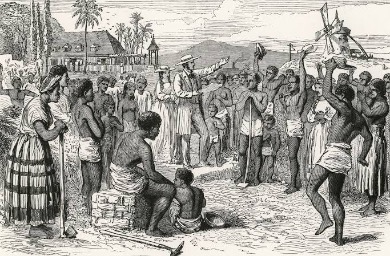
The transatlantic slave trade was one of the largest forced migrations in human history. The Trans-Atlantic Slave Trade Database estimates that about 12.5 million Africans were forced onto ships bound for the Americas between the 16th and 19th centuries, with about 10.7 million surviving the Middle Passage.

Britain was a major participant in this system. Estimates put the number of enslaved Africans transported by British ships at about 3.2 million. Britain’s involvement was not limited to shipping people. British merchants, banks, insurers, plantation owners and other institutions were deeply connected to an economic system built around enslaved labour and commodities produced on plantations.
Sugar was particularly important in the Caribbean. Enslaved Africans were forced to work on plantations producing sugar and other commodities for European markets. The wealth generated through this system became part of the wider economic history of Britain and its colonies.
The legacy did not end when Britain abolished its participation in the transatlantic slave trade in 1807 or when slavery itself was abolished throughout most of the British Empire in the 1830s. Freedom did not immediately produce economic equality. Formerly enslaved people generally received no compensation, while British plantation owners were compensated by the British government. That history is central to the modern reparations argument.
The Monarchy’s Own Connection
The debate has increasingly moved beyond Britain’s role as a state to the historical role of the monarchy itself.
King Charles has supported research into the British royal family’s historical links to slavery. In 2023, Buckingham Palace opened the Royal Archives and Royal Collection to researchers investigating the monarchy’s relationship with the transatlantic slave trade.
Research published since then has added to the historical record. UCL’s Legacies of British Slave-ownership work has documented the extensive connections between British wealth and slave ownership, while historian Brooke Newman’s 2026 work has examined how successive monarchs sanctioned, participated in or benefited from systems of slavery and colonial exploitation.
This does not mean that King Charles personally participated in slavery. The issue is historical: institutions associated with the Crown existed within and benefited from systems that enslaved Africans.
That distinction is important because the reparations debate concerns historical responsibility, institutional continuity and the consequences of wealth accumulated through slavery, rather than assigning personal responsibility for centuries-old events to a present-day individual.
Jamaica To Privy Council
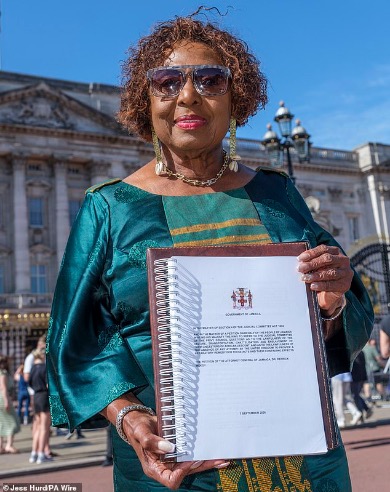
The debate has taken a significant new turn in Jamaica. On September 7, 2026, Jamaica formally filed a petition asking King Charles, in his constitutional role as King of Jamaica, to refer questions about the legality of transatlantic chattel slavery to the Judicial Committee of the Privy Council.
Jamaica is asking whether slavery as practised in the country was lawful under English law, whether the forced transportation and enslavement of Africans violated international legal obligations, and whether Britain has a legal obligation to provide a reparatory remedy.
Importantly, Jamaica’s government has clarified that the petition itself is not a monetary claim. It is seeking legal determination on questions that could strengthen the country’s broader argument for reparatory justice.
That makes Jamaica’s move significant beyond the immediate question of money. It attempts to move the reparations debate from political speeches into questions of law, historical responsibility and institutional accountability.
/ PA/
Why Reparations Are More Than Cash
Reparations are often reduced to the question of whether Britain should write a cheque to Caribbean countries. The debate is considerably broader.
Supporters of reparatory justice have argued for combinations of financial compensation, debt relief, investment in education and healthcare, infrastructure, cultural restitution, technology transfer, development financing and the return of cultural artefacts.
The underlying argument is that centuries of forced labour and colonial extraction helped create wealth in Europe while limiting economic opportunities in the societies where enslaved people lived and worked.
Opponents of financial reparations argue that present-day populations should not be held financially responsible for actions committed generations ago, and that historical events should be judged according to the laws and circumstances of their time.
The disagreement therefore extends beyond history. It is a debate about how responsibility should operate across generations and whether present inequalities can be separated from systems that shaped them.
The African Connection
For Africa, this debate matters because the transatlantic slave trade was fundamentally an African story as well as a Caribbean and European one.
Millions of Africans were captured, transported and sold into systems of forced labour across the Atlantic. African societies were disrupted, populations were displaced and political and economic structures were affected by centuries of human trafficking.
Today, African governments and institutions increasingly connect historical justice with contemporary development. The question is not simply whether Europe benefited from slavery. It is also whether the global economic structures created during slavery and colonialism continue to influence who controls capital, technology, trade and natural resources.
That is why reparations increasingly overlap with debates over debt justice, Trade, Development, Reparation and Economic Justice.
The Commonwealth Moment
Charles arrives at CHOGM with the issue already moving through political and legal channels. Commonwealth Secretary-General Shirley Botchwey has previously said she expected member states to make progress towards negotiations on reparations.
The Commonwealth itself has 56 member countries and represents about 2.7 billion people, making the debate larger than Britain and the Caribbean alone.The learning moment is therefore bigger than the royal visit.
Britain is being asked not simply to remember slavery, but to examine how that history shaped wealth, institutions and relationships that still exist today. Jamaica is testing a legal route. Caribbean governments are pushing the issue politically. Historians are expanding the evidence base.
For Africa and the Caribbean, the central question is increasingly clear: how should societies deal with wealth and inequality when part of their history was built through systems of forced labour and extraction?
King Charles’s visit will not settle that question. But it places Britain’s colonial past directly inside a modern conversation about justice, development and the future of relations between former colonial powers and the countries they once controlled.
The key current developments are well supported: Buckingham Palace says Charles will address the historical legacy without making a formal reparations commitment; Jamaica filed its Privy Council petition on September 7; and historical research has documented the monarchy’s institutional connections to slavery.
RELATED: