Wayne Lumbasi

Niger is reshaping its uranium industry, seeking greater state participation in one of its most important strategic resources while continuing to attract international capital for new mining projects.
The latest move came on September 23, when Niger signed a new mining convention for the Madaouela uranium project, increasing the state’s stake to 40% from 10% under the previous structure. Australian company Atomic Eagle will retain 60% and operational control of the project.

The agreement gives Niger a substantially larger direct interest in the development of Madaouela, while allowing the project to proceed with international investment and technical expertise. Atomic Eagle is expected to seek international financing for the project’s development, showing that Niger’s stronger ownership position is being pursued alongside foreign investment rather than as a replacement for it.

The restructuring follows a dispute that began after Niger revoked the Madaouela mining permit in 2024 and returned the asset to the state. The decision led the previous developer, GoviEx Uranium, to initiate international arbitration. The two sides subsequently pursued negotiations, resulting in the new ownership arrangement.
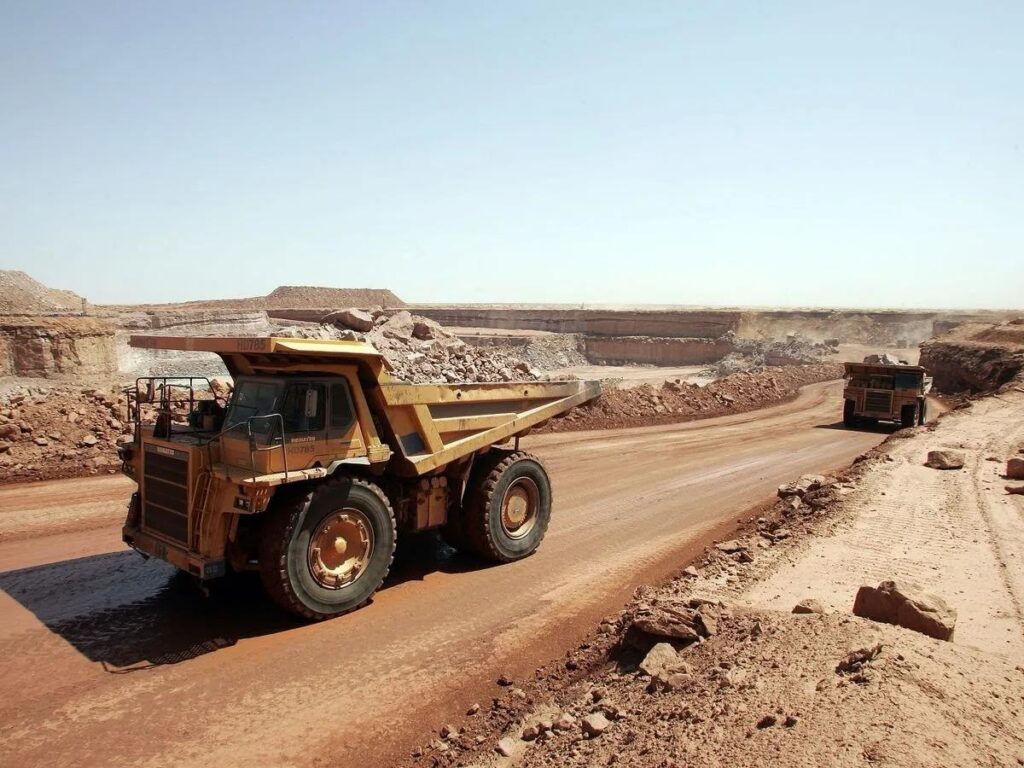
Niger’s approach is also evident at Arlit, a historic centre of the country’s uranium industry. In August, the government awarded a large scale uranium mining permit in the area to Teloua Safeguarding Uranium Mining Company, TSUMCO SA, a state owned company created after the nationalisation of SOMAÏR. The operation had previously been majority owned by French nuclear company Orano, which held 63.4%, while Niger’s state mining company held 36.6%.
The changes represent a broader effort by Niger to place the state at the centre of decisions over its mineral resources. Rather than relying primarily on foreign companies to own and operate major uranium assets, the government is seeking arrangements in which Niger retains a larger ownership position and a greater share of the economic value generated by mining.
At the same time, Niger recognises that developing large uranium deposits requires substantial capital and specialised expertise. Madaouela has an estimated resource of 116.5 million pounds of uranium oxide, according to Atomic Eagle’s project figures, and the company is undertaking further technical and commercial work as it prepares the project for development.
The country is therefore attempting to balance resource sovereignty with international investment. Foreign companies remain important sources of financing, technology and mining expertise, but the government is seeking to negotiate from a position in which the Nigerien state has a much larger economic interest.
That approach is also visible at the Dasa uranium project, where Canadian company Global Atomic is developing another major deposit. In September, the US International Development Finance Corporation approved up to $414 million in financing for the project, demonstrating that international investors continue to see opportunities in Niger’s uranium sector despite the country’s changing mining policies.
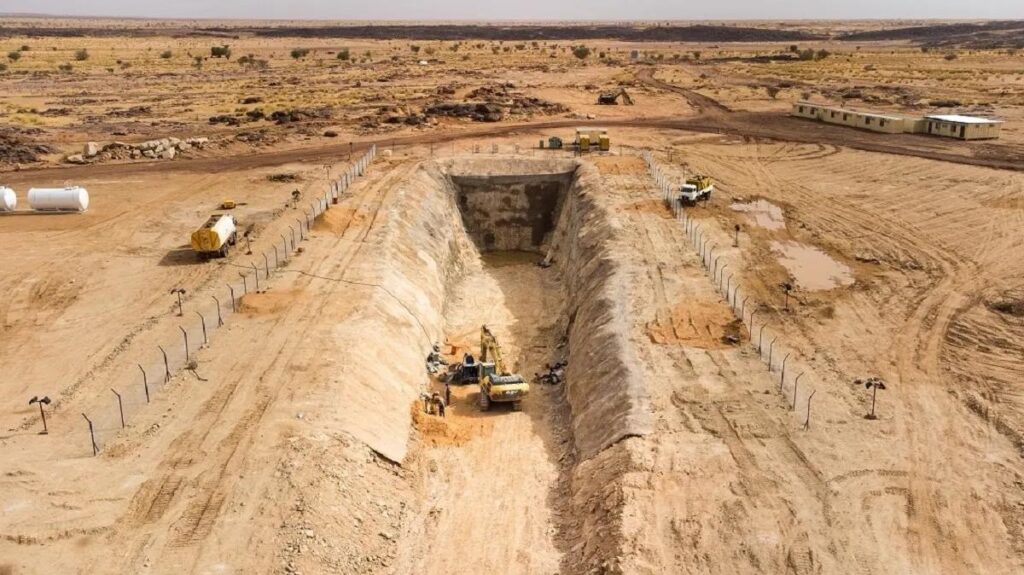
The Dasa financing also highlights the strategic importance of Niger’s uranium beyond its borders. Uranium is a critical resource for nuclear power generation, while countries seeking to strengthen their energy security continue to look for reliable supplies.
For Niger, however, the central issue is increasingly how those resources are developed and who benefits from them.
The government’s growing involvement in Madaouela and the state takeover of the Arlit operation indicate a clear move toward greater national participation in the uranium industry. The strategy does not eliminate foreign investment, but seeks to place it within partnerships where Niger retains a significant ownership interest.
The challenge will be converting that greater ownership into sustained production, government revenue, employment and wider economic benefits while maintaining enough investor confidence to finance projects that require hundreds of millions of dollars to develop.
Niger’s uranium sector is therefore entering a new phase, one in which African state ownership and international investment are being brought together under terms that give the Nigerien government a much more prominent role in controlling and benefiting from its strategic mineral wealth.
RELATED: