South Africa’s poorest, who live in informal settlements around Gauteng, in Johannesburg, and in the surrounding areas, are demanding houses from the government.
They want the government to deliver on its promises to provide houses to its citizens.
In August over 100 residents from informal settlements in Randfontein, Roodepoort, Thembisa, and Soweto marched to the government office of the Gauteng Premier in Johannesburg City to hand over their memorandum of demands. The march was organised by the Housing Social Justice Committee under the organisation Unemployed People of South Africa.
Marchers demanded urgent allocation of government-subsidised homes or Reconstruction and Development Programme (RDP) houses to residents and families who have been waiting for over 30 years.
Some people alleged corruption in the housing office and that RDP houses meant for the poor are sold by rogue government officials for money.
Many RDP housing applicants are now pensioners or persons living with disabilities. They have spent decades living under overcrowded, unsafe, or inadequate conditions while waiting for government houses.
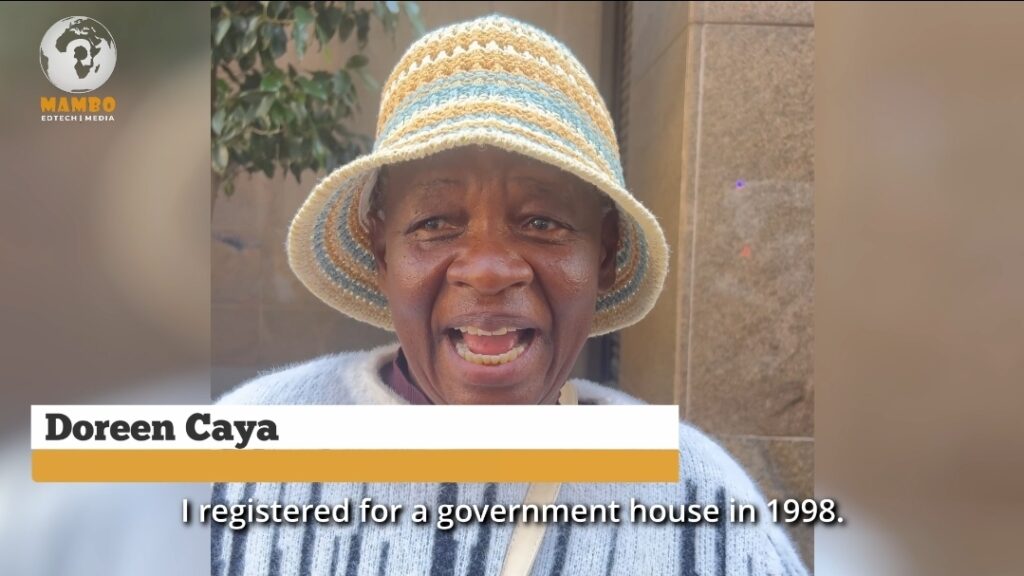
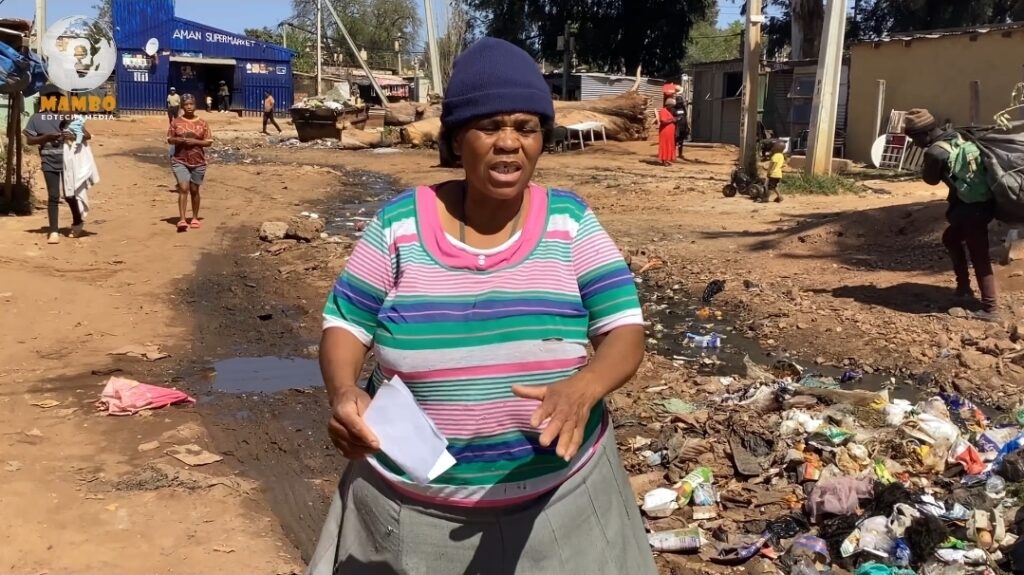
Doreen Caya is 65 years old. She has been living at Thembelihle Informal Settlement since 1998. She applied for an RDP house in 1998; her information was wiped from the government housing system. Other people got houses, but she does not have one.
“I am a South African citizen, but I do not have a house. I don’t understand this.”
Demands by the Housing Social Justice Committee include the prioritisation of people who applied for government houses in 1996, pensioners, the elderly and persons living with disabilities. They asked for transparency in housing allocations. South Africa attained freedom in 1994.
Following South Africa’s freedom from the apartheid government, Black South Africans set up shacks on vacant pieces of land in the hope of getting government-subsidised houses. These dwellings are known as Mukuku, or informal settlements. Some people were able to get houses through the Reconstruction and Development Programme (RDP), a socio-economic policy started by Nelson Mandela’s government in 1994.
Many people who registered for RDP houses as far back as 1996 are still waiting for houses. The country is facing a major housing crisis.
Today over 2500 shacks stand on vacant pieces of land across South Africa’s provinces.
Statistics from Stats SA show that about 12.2% of households of South Africa’s poorest live in informal settlements under debased conditions. This accounts for Millions of people.
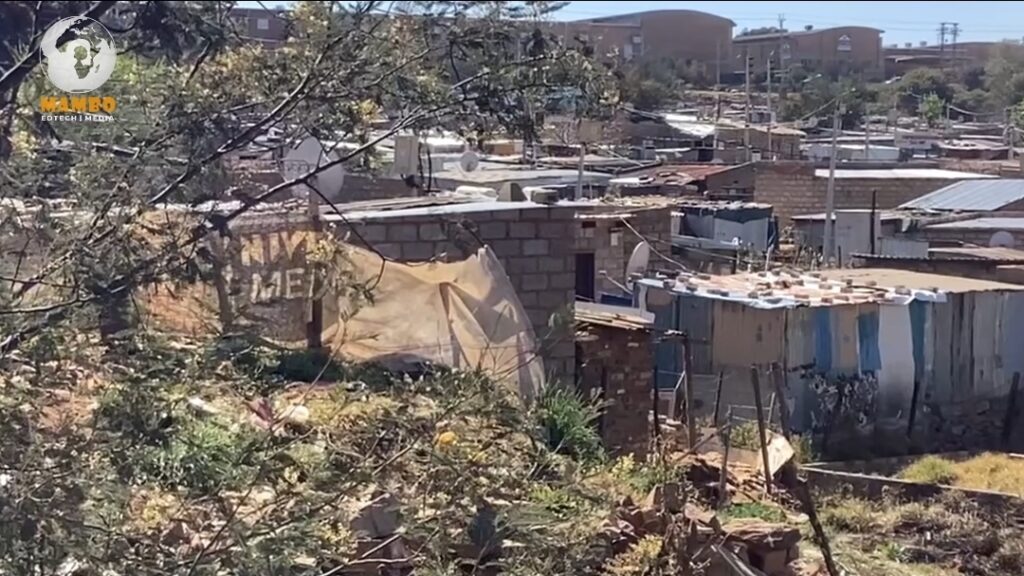
Shacks. Image: /Kimberly Mutandiro – Mambo/
Shacks that many citizens call home are either made out of zinc sheets, boards, or plastics, without electricity, water, and sanitation. People use pit toilets or the bush. In winter shacks are very cold, triggering people to set up fires for warmth. But this results in fires. The material used to build the shack catches fire quickly, gutting down people’s homes, resulting in death or injury.
Statistics show thousands of shacks burn down and hundreds of people die in shacks’ fires annually. In summer the shacks are extremely hot and uncomfortable to live in.
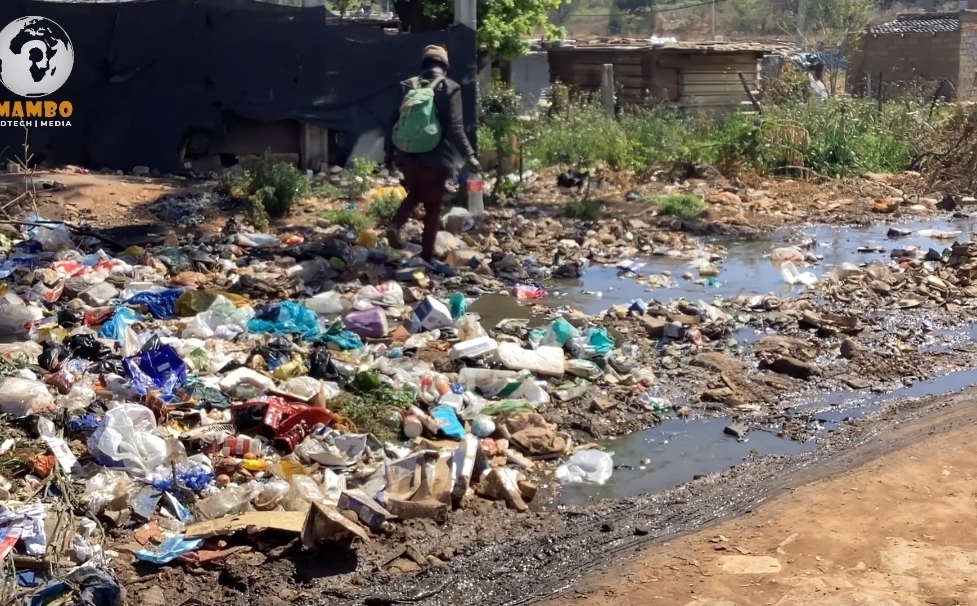
Unsanitary living conditions. Image: /Kimberly Mutandiro — Mambo/
This is Princess Informal Settlement, in Rooderpoort, in the west of the City of Johannesburg in South Africa. The settlement has been in existence since the dawn of the country’s democracy, in 1994. The situation is horrendous with people living under inhumane circumstances. Pools of sewage waste spill all around the settlement and on the doorstep of people’s homes, giving out a foul smell. Daily people pass through the sewage, and children play right in front of it, posing a serious health threat.
Gladys Monname is 60 years old. She has lived at Princess informal settlements since the mid-90s. She has lost hope of ever getting a house. The place we live in is dirty and unhygienic. We have lived here for a long time. We have grown old under these conditions.
“We have been crying to our government, but they are not helping us.”
Like Gladys, South African citizens living in informal settlements feel that the government has let them down. That it has failed to deliver on its promise to provide its people with RDP houses.
People living in informal settlements want the South African government to put an end to their suffering. They want the government to build them proper homes with electricity, water, and flashing toilets. The question is, will the South African government heed this call to provide more dignified houses for its citizens?