Wayne Lumbasi

A major constitutional and diplomatic confrontation is unfolding in Kenya over the establishment of a United States-managed Ebola isolation facility at the Laikipia Air Base in Nanyuki. Despite a formal High Court injunction suspending the project, a steady influx of U.S. military transport aircraft and medical specialists has arrived at the site, escalating tensions between the executive branch, the judiciary, and local communities.
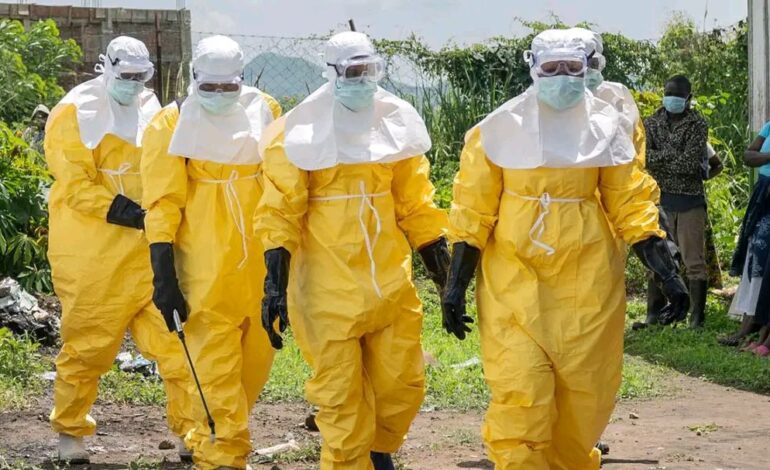
The dispute centers on a planned 50-bed quarantine and treatment unit designed to isolate and treat American personnel, including healthcare workers and international aid laborers, who may be exposed to the highly lethal Bundibugyo strain of Ebola currently active in parts of Central and East Africa.

Legal advocacy groups, including the Katiba Institute and the Law Society of Kenya, initiated litigation against the project, arguing that the bilateral agreement bypassed mandatory public participation, lacked transparency, and compromised national biosecurity by hosting a deadly pathogen on Kenyan soil without adequate local containment infrastructure.

In response to these petitions, High Court Judge Patricia Nyaundi issued a conservatory order halting all operations and setup at the facility, a directive that was subsequently extended to allow for a comprehensive judicial review. The court instructed the government to fully disclose all bilateral frameworks, operational risk assessments, and emergency health protocols underlying the agreement.

Operational tracking data, however, indicates that logistics buildup at the Nanyuki installation has proceeded irrespective of the judicial stay. Multiple military transport flights, including C-17 Globemaster and C-130 Hercules aircraft, have delivered specialized laboratory equipment, engineering hardware, and personnel from the U.S. Public Health Service to the airbase. While diplomatic officials emphasize that no active Ebola cases have been transported into the country, the continued arrival of equipment and personnel has aggravated public concern.

The defiance of the court order previously sparked intense unrest in Nanyuki, culminating in mass demonstrations where residents marched toward the military facility to protest the perceived outsourcing of external public health hazards. Those demonstrations turned fatal when security forces deployed live ammunition and tear gas to disperse crowds, resulting in the deaths of at least two protesters. The casualties further incensed local groups, leading to clashes at the Nanyuki Law Courts and prompting the deployment of heavy military and police patrols to stabilize the municipality.

The medical community has also strongly aligned against the initiative. The Kenya Medical Practitioners, Pharmacists and Dentists Union issued a formal strike notice, criticizing the administration for exposing domestic medical staff and citizens to a pathogen that currently lacks standardized vaccines or approved targeted therapeutics.
The administration of President William Ruto has firmly defended the strategic partnership, categorizing the installation as an extension of a long-standing bilateral healthcare alliance with the United States that has historically addressed regional crises such as HIV/AIDS and COVID-19. Executive officials maintain that the facility serves as a critical component of regional epidemiological surveillance and emergency preparedness, intended to strengthen screening and diagnostic capabilities rather than pose a threat to public safety.
To reinforce these regional containment operations, the United States government has committed substantial financial assistance, earmarking significant funding for regional Ebola response mechanisms, with specific allocations dedicated to upgrading Kenya’s border surveillance and laboratory capacity. The U.S. Embassy in Nairobi has acknowledged the ongoing litigation, stating that diplomatic channels are actively engaging with Kenyan state agencies to clarify operational objectives and resolve judicial reservations.
The High Court has scheduled a plenary hearing for June 23 to determine the ultimate legality and transparency of the bilateral deployment.
RELATED: