Wayne Lumbasi

Israel is reacting with profound concern to reports of a looming, limited diplomatic agreement between the United States and Iran, warning that the proposed framework leaves Iran’s core nuclear architecture intact while severely tying Israel’s hands. The emerging deal, structured as a Memorandum of Understanding aimed at pausing active regional hostilities, is being viewed in Israel not as a diplomatic breakthrough, but as a dangerous tactical retreat by American negotiators.
Senior Israeli defense and intelligence officials argue that the American administration is prioritizing an immediate de-escalation victory over a comprehensive dismantling of Iran’s strategic capabilities.

According to sources familiar with the framework, the deal focuses heavily on conventional ceasefires, regional de-escalation, and the potential unfreezing of sanctioned Iranian assets. However, it reportedly lacks airtight mechanisms to address Israel’s primary red lines. The agreement contains no definitive mandates for the total destruction or extraction of Iran’s highly enriched uranium, and it fails to establish permanent bans on high-level enrichment capabilities, leaving Iran as a permanent threshold nuclear state.

Furthermore, the agreement completely bypasses Iran’s advanced ballistic missile program and its regional proxy network, including Hezbollah and Houthi forces. An Israeli security source stated that a limited deal effectively grants a green light to Iran, buying the regime economic relief and diplomatic time to fortify its nuclear positions while changing absolutely nothing about its regional aggression.

Beyond these technical loopholes, Israel’s most pressing anxiety is operational. There is a growing consensus within Israel’s war cabinet that a formalized agreement between the United States and Iran will create a diplomatic shield for Iran. Israeli officials fear that any future unilateral military action against Iranian nuclear sites or strategic proxy targets would be framed by the international community, and a frustrated White House, as a deliberate disruption of an active American peace process.
This could severely strain Israel’s strategic alignment with its most critical ally. The Israeli security establishment maintains that Iran is executing a classic stalling strategy, offering minor, reversible concessions to ease crippling economic sanctions while maintaining the underlying infrastructure necessary to rapidly break out to a nuclear weapon when the political climate shifts.

The diplomatic arena remains highly fluid. While regional mediators indicate that the framework has been largely negotiated, the United States has publicly signaled a measured approach, insisting it will not rush into a deal and that economic blockades will remain in force until a final text is signed and certified.
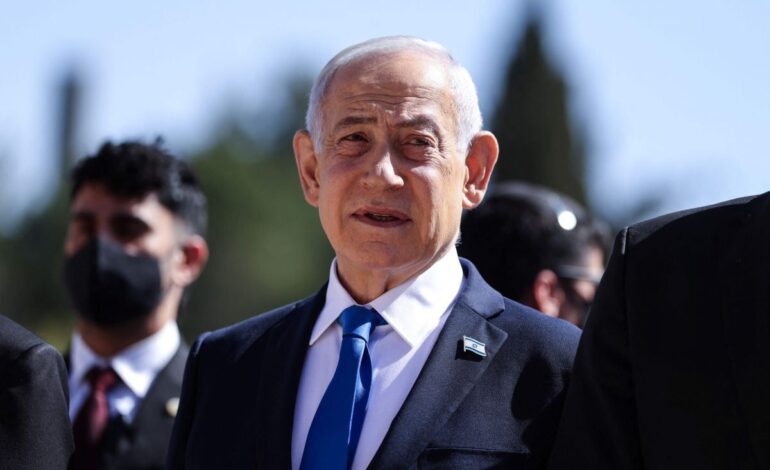
Meanwhile, Iranian state media reports that critical implementation clauses regarding asset verification remain heavily contested. In response, Prime Minister Benjamin Netanyahu has convened a series of urgent, high-level security briefings to evaluate Israel’s strategic options. Israeli diplomats are currently engaged in an intensive, behind-the-scenes lobbying campaign, with Israel’s immediate goal being to pressure the American administration into significantly tightening the parameters of the agreement before any final signatures are dry.
RELATED: