Faith Nyasuguta
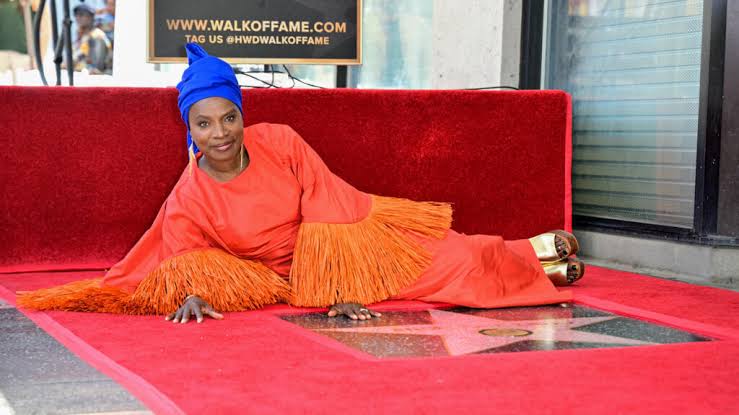
Beninese music icon Angélique Kidjo has made history as the first African musician and first Black African artist to receive a star on the Hollywood Walk of Fame, adding another milestone to a career that has carried African music to audiences around the world.
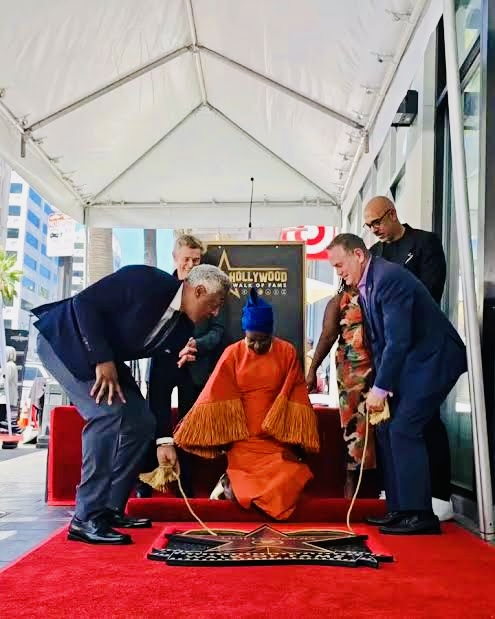
Kidjo was honoured in Los Angeles on August 18, 2026, receiving the 2,854th star on the famous Hollywood boulevard. The star, awarded in the Recording category, recognises more than four decades of musical achievement and global cultural influence.

The ceremony brought together figures from across the entertainment industry, including Oscar-nominated actor Willem Dafoe and Harvey Mason Jr., CEO of the Recording Academy. Benin-born actor Djimon Hounsou and Nigerian musician Adekunle Gold were also among those attending, alongside Kidjo’s family and friends. For Kidjo, however, the star is bigger than one woman.

During the ceremony, the five-time Grammy winner used the moment to highlight Africa’s enormous contribution to global culture.

“We Africans don’t know what we’ve given to the world,” she said, adding that without Africa, “there’s no music possible on this planet.” That message has been central to Kidjo’s career.
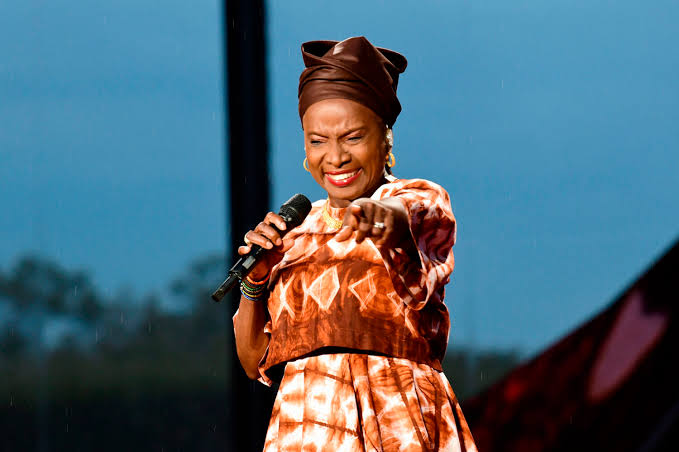
Born in what was then Dahomey, now Benin, Kidjo began performing at a young age before eventually moving to Paris in the early 1980s. Over the decades, she developed a distinctive sound that blends West African musical traditions with jazz, funk, R&B, Afropop, Latin influences and other global styles.

Her career now spans more than four decades and includes five Grammy Awards. She has released numerous albums and collaborated with internationally recognised artists including Alicia Keys, Peter Gabriel, John Legend, Bono, Yo-Yo Ma and Burna Boy.
Her influence extends well beyond music. Kidjo has consistently used her global platform to advocate for children, education, women’s rights and development across Africa. She is also a UNICEF Goodwill Ambassador and has received major international honours, including the Amnesty International Ambassador of Conscience Award and the Crystal Award from the World Economic Forum.
Hollywood itself recognised that broader legacy. During the ceremony, Walk of Fame producer Ana Martinez praised Kidjo’s artistry and global influence, describing her contributions as significant to music and culture across generations and continents.
Willem Dafoe, who has known Kidjo for years, also praised her energy and generosity as a performer and activist, calling her one of the hardest-working people in show business.
Harvey Mason Jr. similarly described her as an artist whose impact extends beyond the stage, emphasising the purpose behind her work and its ability to connect people globally.
Hollywood also gave the occasion its own official stamp. August 18 was declared “Angélique Kidjo Day” in Hollywood shortly before the star was unveiled.
The achievement is particularly significant because Kidjo becomes only the second African-born entertainer to receive a Hollywood Walk of Fame star, following South African actress Charlize Theron, who received hers in 2005.
But Kidjo has repeatedly resisted framing the achievement as hers alone. Ahead of the ceremony, she described the recognition as “our star”—a reference to the generations of African artists whose work paved the way for greater global recognition of the continent’s creativity.
And perhaps that is what makes the moment bigger than Hollywood. For decades, African musicians have crossed borders, languages and genres to influence global music while often remaining outside the industry’s most visible halls of recognition.
Now, permanently embedded along one of the world’s most famous entertainment streets, is the name of a woman from Benin.
Angélique Kidjo’s star is not just a Hollywood landmark. It is another permanent marker of Africa’s growing footprint in global culture.
RELATED: