Wayne Lumbasi

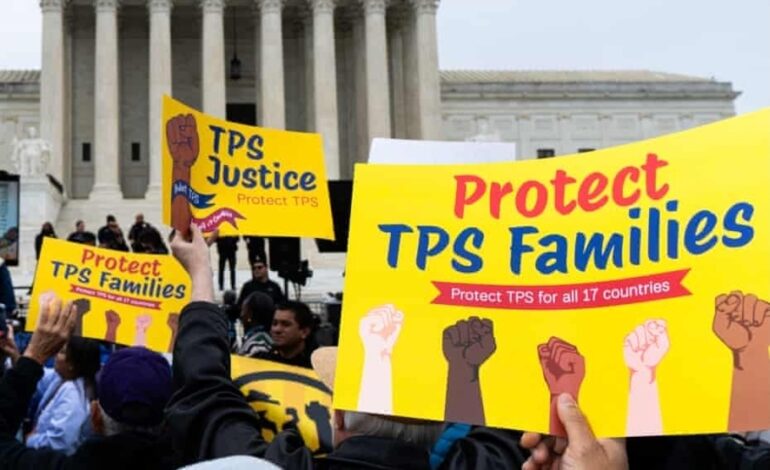
In a major legal victory for the White House, the U.S. Supreme Court handed down a decisive 6-3 ruling on Thursday, declaring that the executive branch holds sweeping, virtually unchecked authority to terminate Temporary Protected Status (TPS) designations.

Legal analysts warn the decision establishes a potent precedent that leaves nearly 1.3 million immigrants from 17 countries vulnerable to what immigration experts are calling the largest “de-documentation” moment in modern U.S. history.
The case was decided by a 6-3 vote, a margin that highlights a clear ideological divide on the nine-justice bench. In U.S. Supreme Court rulings, a 6-3 split means that six justices in this case, the court’s entire conservative majority voted together to pass the ruling, completely outvoting the three dissenting liberal justices. This comfortable margin sets a powerful legal standard that is incredibly difficult to challenge or overturn in the future.


The protracted litigation followed formal termination notices issued late last year by then-DHS Secretary Kristi Noem. Plaintiffs argued that the government failed to properly evaluate the persistent humanitarian crises and conflict zones in both nations. Lawyers representing the Haitian plaintiffs also mounted an equal protection claim under the Fifth Amendment, pointing to highly publicized, racially inflected remarks made by Donald Trump on the campaign trail as evidence of discriminatory intent.
However, the Court’s majority rejected the constitutional challenge, finding the claims unlikely to succeed on the merits. The opinion noted that the administration’s broader, institutional opposition to the historic scope of the TPS program provided a legitimate, race-neutral explanation for the policy change.

DHS General Counsel James Percival called the ruling “a win for the rule of law and common sense,” emphasizing that the humanitarian program was never intended to serve as a pathway to permanent residency.
For the hundreds of thousands of Haitian and Syrian nationals currently residing legally in the U.S., the conclusion of the litigation means that their employment authorization documents (EADs) and shields from removal will lapse as soon as the formal grace periods expire.
RELATED