Faith Nyasuguta
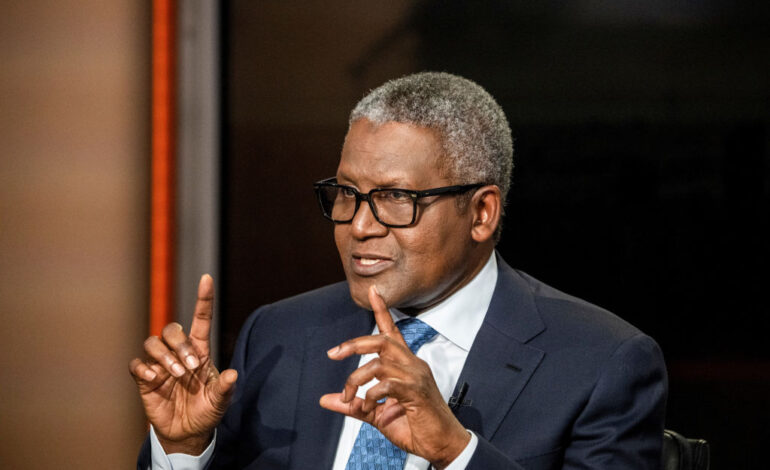
Africa’s richest man, Aliko Dangote, has suggested that the world may be significantly underestimating the true size of his fortune, arguing that many of the most valuable assets in his business empire are still privately held and therefore not fully reflected in global billionaire rankings.
Speaking during a street-style interview with entrepreneur and content creator James Dumoulin of the School of Hard Knocks platform, Dangote challenged the wealth figures commonly reported by organizations such as Forbes and Bloomberg.

When asked about the most money he had ever made in a single year, the Nigerian industrialist offered a striking response. “First quarter, we did about $10 billion,” he said.

The conversation then turned to his personal wealth. When informed that some estimates place his fortune at around $38 billion, Dangote appeared unimpressed by the figure.
“They say I’m worth $38 billion, but most of our businesses are not listed yet,” he responded, before adding, “It will come out soon.”
The remarks have reignited debate over the true value of Africa’s largest industrial empire and whether Dangote’s wealth could eventually surpass current estimates by a substantial margin.
At present, Forbes estimates Dangote’s net worth at roughly $31.6 billion, while the Bloomberg Billionaires Index places it at approximately $35.6 billion. Those figures already make him the wealthiest person on the African continent by a wide margin.
However, unlike many billionaires whose fortunes are tied primarily to publicly traded companies, a significant portion of Dangote’s business empire remains outside public markets. His listed companies include major Nigerian corporate giants such as Dangote Cement, Dangote Sugar Refinery, and NASCON Allied Industries.
Yet some of his most valuable assets remain privately owned.
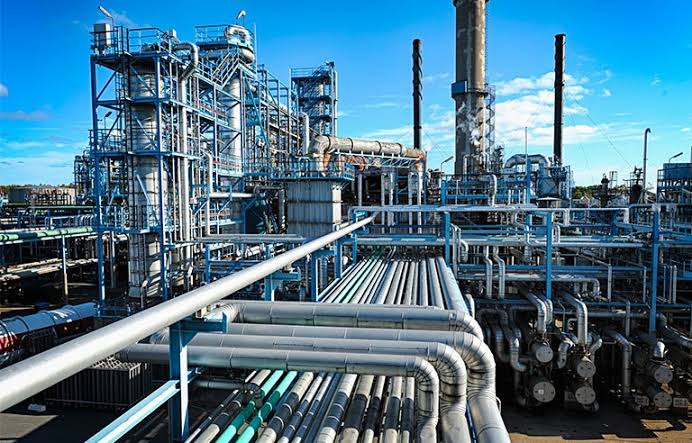
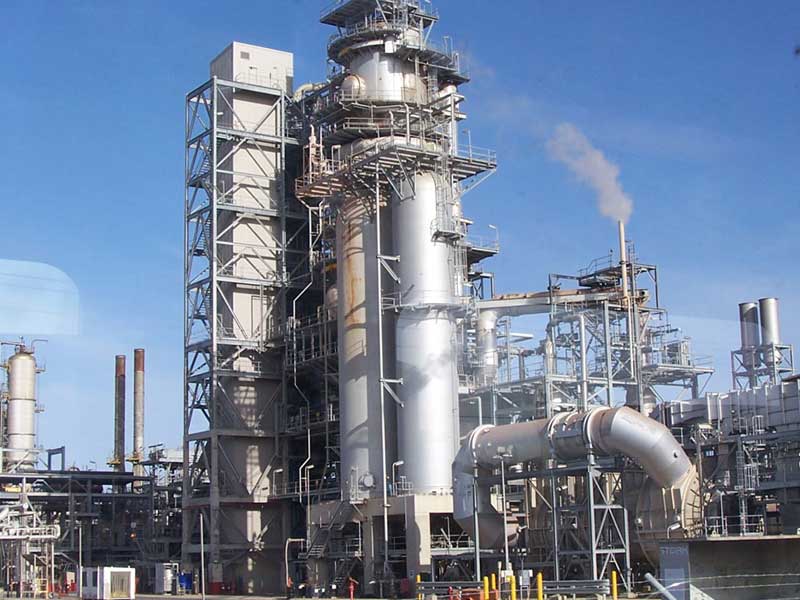
Chief among them is the massive Dangote Petroleum Refinery near Lagos, widely regarded as the world’s largest single-train refinery. The facility has become one of the most significant industrial projects ever undertaken on the African continent and is increasingly viewed as the crown jewel of the Dangote business empire.
Also contributing to the uncertainty surrounding his true wealth is the group’s fertilizer business, which has emerged as one of Africa’s most important industrial agricultural ventures.
Because neither business is publicly traded, analysts must rely on estimates when calculating their value. That creates significant room for disagreement over the actual size of Dangote’s fortune. The situation could change dramatically in the near future.
Dangote has repeatedly indicated that he intends to take the refinery public through an initial public offering (IPO). Earlier plans focused on listing a portion of the company on the Nigerian Exchange, but the strategy has since evolved into something far more ambitious.
According to details that have emerged from the Dangote Group, the refinery could eventually pursue listings across multiple African stock exchanges, potentially alongside an international listing. Such a move would give investors their first clear market-based valuation of the facility.
Industry estimates currently place the refinery’s value between $25 billion and $30 billion. If those projections prove accurate, the IPO could become the largest public offering ever conducted on the African continent.
The group is reportedly considering selling up to 10 percent of the refinery’s equity, potentially raising between $2.5 billion and $3 billion in fresh capital. Such a listing would not only reshape African capital markets but could also dramatically alter perceptions of Dangote’s personal wealth.
If investors assign valuations close to current projections, the value of Dangote’s stake could significantly boost his standing on global rich lists and lend credibility to his suggestion that the figures published today do not tell the full story.
For now, the exact size of his fortune remains a matter of estimation. But one thing is increasingly clear: as more of Dangote’s industrial empire moves toward public markets, Africa’s richest man may become even richer on paper than the world currently realizes.
RELATED: