Faith Nyasuguta

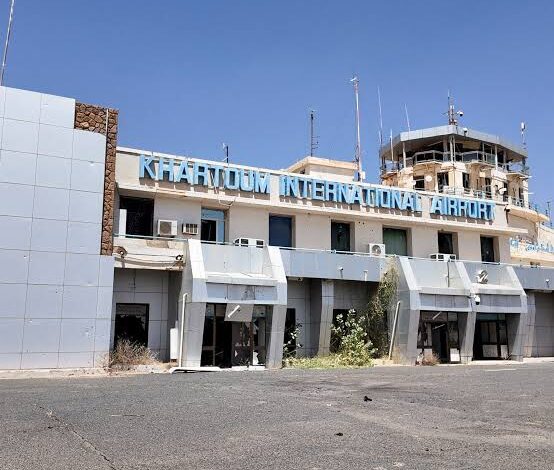
Sudan has sharply escalated regional tensions, accusing Ethiopia and the United Arab Emirates of orchestrating drone attacks on its main international airport in Khartoum. Authorities described the incident as “direct aggression,” marking a serious diplomatic flashpoint in an already fragile region.
The strikes, which also targeted military installations across Greater Khartoum, disrupted what had been a period of relative calm following the Sudanese army’s push to reclaim territory from the paramilitary Rapid Support Forces (RSF) last year. Although no casualties were reported, the psychological and strategic impact of the attack has been significant, raising fresh concerns about the widening scope of Sudan’s conflict.

Sudan’s military claims it has “conclusive evidence” that the drones were launched from Bahir Dar airport in Ethiopia. Officials further allege that the aircraft involved were linked to Emirati assets, reinforcing long-standing accusations that external actors are playing a covert role in the war. These claims build on earlier incidents in March, when Sudanese forces said they intercepted a drone entering their airspace from Ethiopian territory.

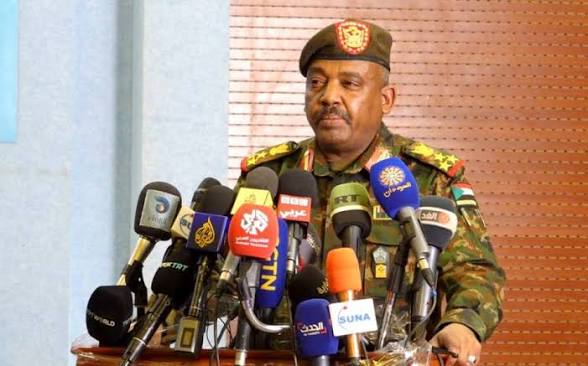
In response, Sudan has recalled its ambassador from Ethiopia for consultations, signaling a deterioration in diplomatic ties. Foreign Minister Mohieddin Salem stated that both Ethiopia and the UAE had chosen a “wrong path,” warning of potential consequences.

Ethiopia has firmly rejected the allegations, calling them “baseless” and emphasizing its historic ties with Sudan. Addis Ababa also urged dialogue, framing the accusations as part of a broader attempt to deflect from internal challenges within Sudan. The UAE, for its part, has yet to comment on the latest claims but has consistently denied any involvement in supporting the RSF.
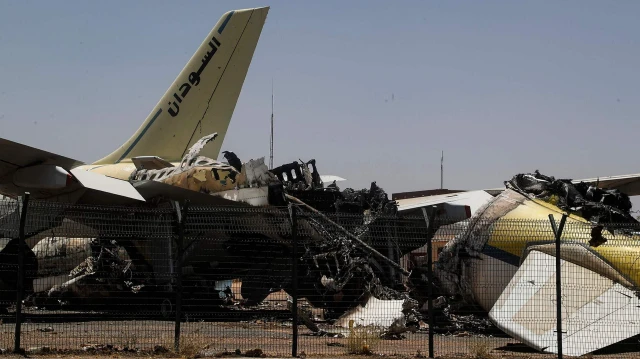
The timing of the attack adds another layer of concern. Just days earlier, Khartoum’s airport had resumed international commercial flights for the first time in three years, a symbolic step toward recovery. Following the strikes, authorities were forced to suspend operations for 72 hours to conduct safety checks, underscoring the fragile nature of Sudan’s infrastructure.

Eyewitnesses reported hearing explosions and seeing smoke rising near the airport, with minor damage recorded to nearby administrative buildings. While the physical destruction was limited, the attack signals a potential escalation in tactics, particularly the increased use of drones in the conflict.
Sudan’s war, which erupted in 2023 between the national army and the RSF, has already devastated the country. According to international estimates, more than 150,000 people have been killed, and around 12 million displaced, creating what the United Nations has described as the world’s largest humanitarian crisis.
As accusations fly and alliances are questioned, the latest developments risk pulling neighboring countries deeper into Sudan’s conflict. What was once a domestic power struggle is increasingly taking on the shape of a regional confrontation – with potentially far-reaching consequences for stability across the Horn of Africa and beyond.
RELATED: