Faith Nyasuguta

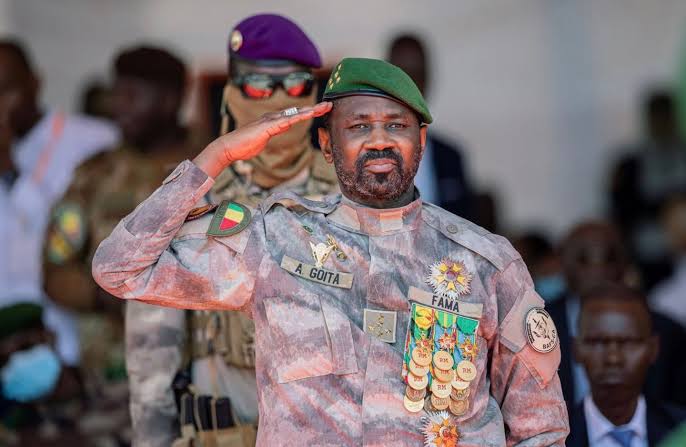
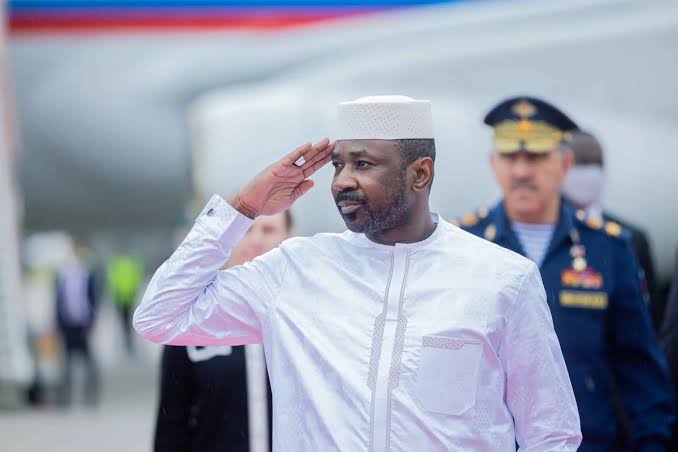
Mali’s military ruler, Assimi Goita, has taken a bold and telling step in the face of escalating insecurity: he has named himself defence minister following the killing of his predecessor in a wave of coordinated insurgent attacks.
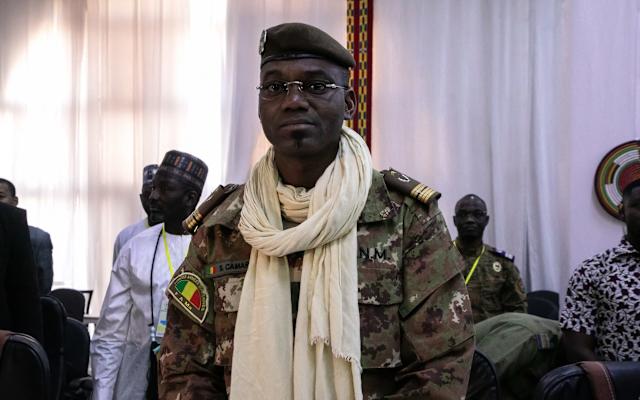
The move comes after Defence Minister Sadio Camara was killed in a deadly assault near Bamako, reportedly involving a suicide truck bombing that struck his residence. The attack formed part of a broader offensive that has shaken the foundations of Mali’s military-led government.

Now, with one hand on the presidency and the other firmly on the defence portfolio, Goita is consolidating control at a moment when his leadership is under intense pressure. Officially, the transition was announced via state television, with Army Chief Oumar Diarra stepping in as minister delegate. Unofficially, it signals a regime closing ranks.

The violence that triggered this shift was anything but ordinary. In late April, cities and towns across Mali woke to gunfire and explosions as an alliance between the Azawad Liberation Front (FLA) and the al-Qaeda-linked Jama’at Nusrat al-Islam wal-Muslimin (JNIM) launched synchronized attacks. The scale and coordination exposed deep vulnerabilities in the country’s security apparatus.

The aftermath has been equally alarming. Insurgent groups have imposed blockades around key urban centres, including Bamako, disrupting movement and tightening their grip on strategic areas. Meanwhile, the symbolic northern city of Kidal slipped from government and allied control, raising fresh doubts about the effectiveness of Mali’s military strategy – even with backing from Russian forces.
Authorities have since responded with arrests, claiming that both active and former soldiers were involved in orchestrating the attacks. The suggestion of internal complicity adds another layer of instability, hinting at fractures within the very institution tasked with defending the state.

In response, Mali has doubled down on regional military cooperation. Joint operations with neighbouring Niger and Burkina Faso – both under military rule – have already led to coordinated airstrikes targeting insurgent positions. The three nations, now aligned under the Alliance of Sahel States, have distanced themselves from Western partners like France and instead leaned into Russian military support.
But despite these efforts, the reality on the ground remains stark. Armed groups continue to operate with alarming reach, and large swathes of territory remain beyond state control.
Goita’s latest move may project strength, but it also underscores the scale of the crisis. As power becomes more centralized, the concern is not just about control – it’s about whether Mali’s leadership can actually turn the tide in a conflict that shows no signs of slowing down.
RELATED: