Wayne Lumbasi

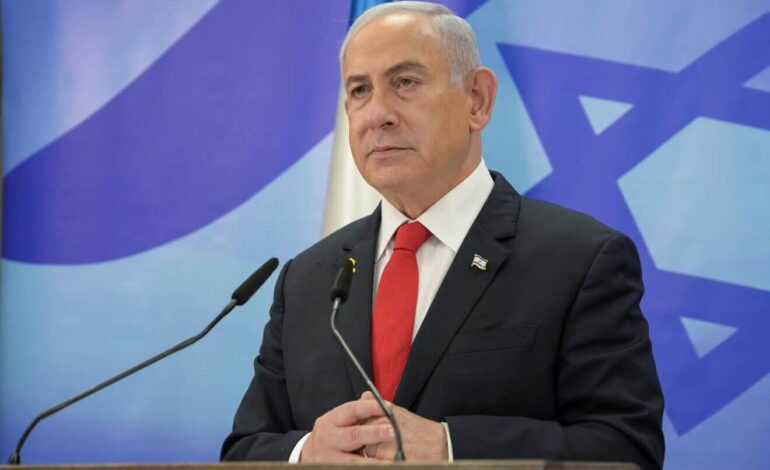
Israel has launched a bold $119 billion defense expansion plan, signaling a dramatic shift toward military self-reliance as it prepares for an increasingly volatile regional security landscape. Spearheaded by Prime Minister Benjamin Netanyahu, the ambitious multi-year strategy aims to strengthen the country’s war-fighting capabilities, reduce dependence on foreign arms suppliers, and secure long-term strategic dominance.
The plan comes at a time of heightened regional tensions involving Iran and armed groups such as Hamas and Hezbollah. Israeli officials describe the coming years as a “demanding decade,” requiring sustained investment in defense capabilities to maintain strategic superiority and readiness across multiple fronts.

Central to the initiative is a major upgrade of Israel’s air power. The government has approved the acquisition of advanced fighter jets, including the F-35 Lightning II and the F-15IA. These aircraft are expected to reinforce Israel’s ability to conduct long-range operations and maintain air dominance in an increasingly volatile region, forming a cornerstone of its future military posture.

Beyond procurement, the strategy places heavy emphasis on domestic production of weapons and military systems. Netanyahu has underscored the importance of achieving what he described as “munitions independence,” ensuring that Israel can sustain its defense needs even during periods of strained international supply chains. The plan includes significant investment in locally developed technologies, from advanced missile defense systems to artificial intelligence-driven warfare capabilities.

The push for self-reliance reflects lessons learned from recent conflicts, where delays or restrictions in foreign arms deliveries exposed vulnerabilities in supply dependence. By expanding its domestic defense industry, Israel aims to secure greater operational flexibility while also boosting its position as a global exporter of military technology.
However, the scale of the spending has sparked debate among economists and policymakers. While supporters argue the investment is essential for national security, critics warn that the financial burden could place pressure on public spending in key civilian sectors, including healthcare, education, and infrastructure.

Despite these concerns, Israeli leadership maintains that the plan is necessary to safeguard the country’s future. As Netanyahu framed it, the goal is clear: to ensure that Israel can “defend itself by itself,” even as it continues to maintain strategic partnerships with allies such as the United States
RELATED: