Wayne Lumbasi
Namibia is entering a new chapter in its fight against HIV, with the country preparing to take greater responsibility for financing and sustaining a response that has benefited from substantial international support for more than two decades.
The United States will provide Namibia with about $45 million for its HIV response in the 2027 fiscal year, before shifting its role increasingly from direct financial assistance to technical cooperation. The United States says it has contributed more than $1.1 billion to Namibia’s HIV response since 2003, largely through the President’s Emergency Plan for AIDS Relief, known as PEPFAR.

But Namibia’s story is no longer simply about foreign assistance. It is increasingly about domestic ownership.

The country has achieved an impressive 96 98 98 HIV treatment cascade. This means 96% of people living with HIV know their status, 98% of those diagnosed are receiving treatment, and 98% of people on treatment have achieved viral suppression. The figures place Namibia above the global 95 95 95 targets.

That progress provides a strong foundation for Namibia to assume greater responsibility for its HIV response.
For more than 20 years, American assistance helped Namibia expand testing, treatment, prevention and other HIV services. But the next phase is expected to see these programmes become increasingly integrated into Namibia’s own health system, with the country taking greater responsibility for sustaining them.

This is the heart of Namibia’s transition.
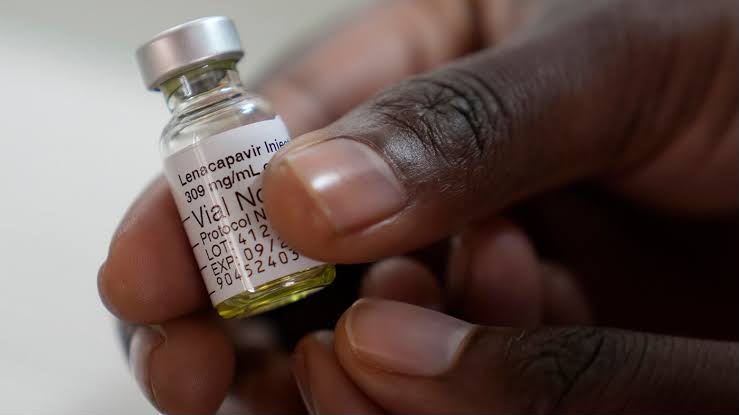
Domestic ownership means the fight against HIV increasingly becomes a national responsibility, backed by Namibia’s own institutions, policies, health infrastructure and financial resources.
The country had already begun preparing for this transition before the latest funding announcement. Namibia launched a sustainability roadmap in November 2024 covering HIV, viral hepatitis, tuberculosis and malaria. The roadmap is designed to strengthen national health systems and prepare the country for a future in which international partners provide more technical support while Namibia assumes greater responsibility for financing its health programmes.
There is already evidence that domestic financing has played an important role in Namibia’s HIV response. UNAIDS data shows that Namibia’s government was contributing substantially to HIV programme expenditure even while PEPFAR and the Global Fund remained major sources of external financing. In 2018 and 2019, domestic government expenditure recorded in the UNAIDS sustainability profile stood at about $64.9 million in each year.
The transition, however, will not be without challenges.
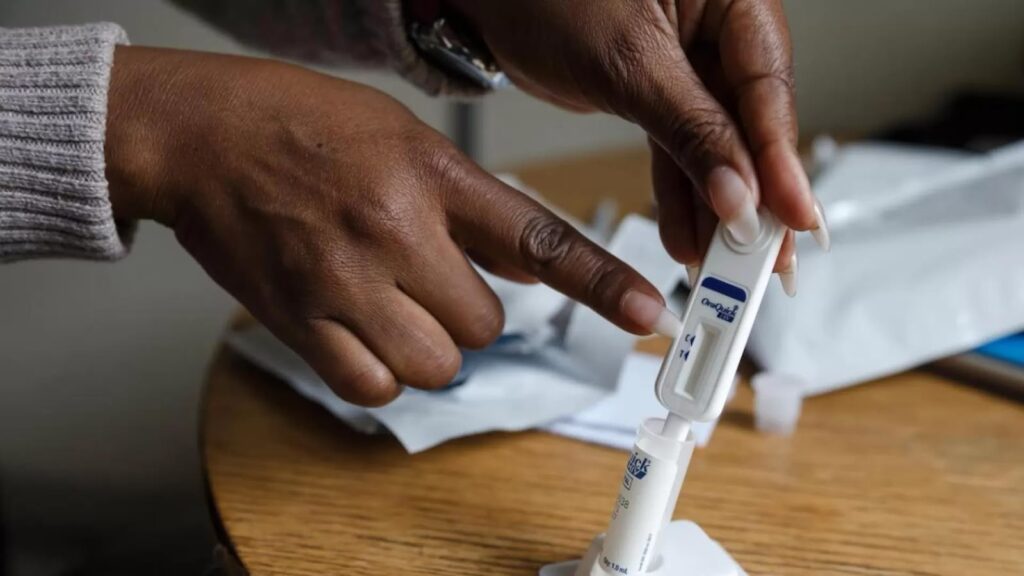
HIV programmes require sustained financing for antiretroviral medicines, testing, laboratories, healthcare workers, prevention services and community programmes. Previous disruptions to U.S. funding affected some community based prevention programmes, services for key populations and community health worker initiatives, while UNAIDS also reported issues including intermittent condom shortages and reduced access to some prevention services.
That makes Namibia’s next step particularly important. The country must maintain the gains it has achieved while gradually replacing external financial support with sustainable domestic resources.
The change also comes after a disagreement between Namibia and the United States over proposed provisions involving access to health data and biological specimens. Namibia raised concerns about privacy, national laws and sovereignty. The two countries are continuing discussions over their future health partnership.
Nevertheless, the broader significance of Namibia’s transition extends beyond the funding dispute.
Across Africa, governments are facing growing pressure to reduce dependence on external financing for essential health programmes. UNAIDS has identified greater domestic ownership, innovative financing and long term sustainability planning as increasingly important as international HIV funding declines.
Namibia now has an opportunity to demonstrate what that transition can look like.
The country is not starting from zero. It has built a health response capable of reaching exceptionally high levels of HIV diagnosis, treatment and viral suppression. The challenge now is to ensure that these achievements remain sustainable when more of the responsibility rests with Namibia itself.
After more than two decades and more than $1.1 billion in U.S. HIV support, Namibia is preparing to take greater ownership of its response.
If the transition succeeds, the achievement will be bigger than simply replacing foreign funding with domestic money. It will demonstrate that international assistance can help countries build systems that eventually become increasingly nationally owned, nationally financed and nationally sustained.
RELATED: