Wayne Lumbasi

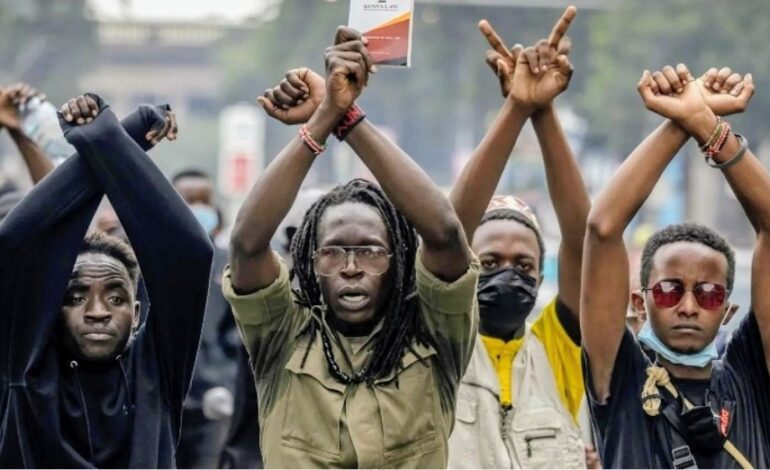
In Kenya, a wave of youth-led protests in 2024 and 2025 has left a lasting mark on the minds of the young people who took part. Generation Z activists, who had emerged as the most vocal and digitally connected force in the country, faced coordinated online harassment and intimidation that has forced many into silence.
The protests, which spread across nearly every county in Kenya, began with demonstrations against proposed tax increases under the Finance Bill but soon grew to address broader social issues, including corruption, gender-based violence, and calls for justice and equality.
Young people used social media to organize, share information, and mobilize their peers, creating a leaderless movement that quickly gained momentum and public attention.

However, the movement soon faced a sophisticated campaign to silence it. Networks of state-aligned bloggers and online trolls flooded platforms like X, TikTok, Facebook, and WhatsApp with disinformation, smear campaigns, and pro-government messaging.
Many young protesters received threatening messages, some targeting their personal safety and even that of their families. Women and marginalized groups, including LGBTQ+ activists, have particularly been targeted with misogynistic, homophobic, and sometimes explicit digital harassment.

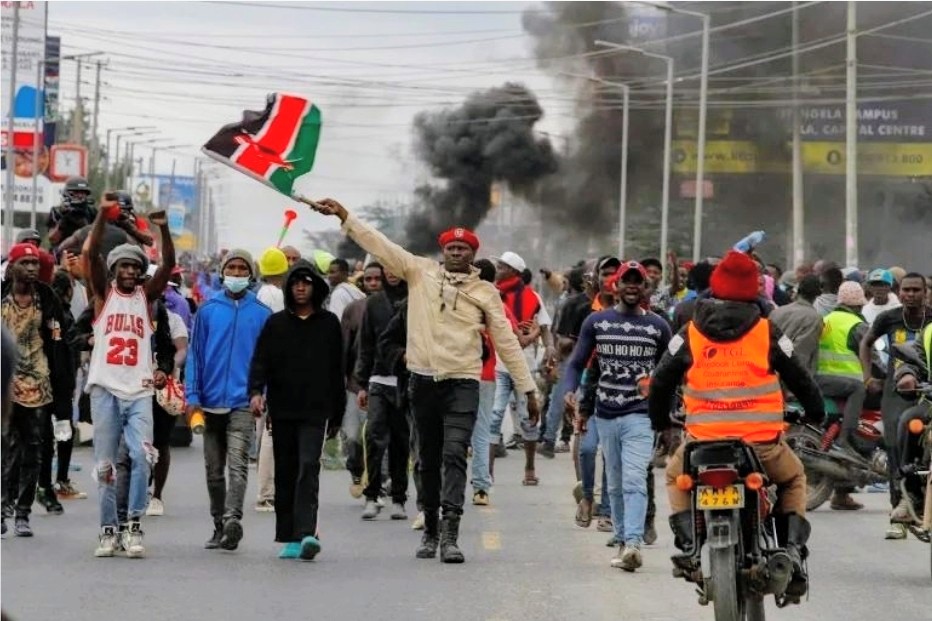
The effects on young activists have been profound. Some have been forced to withdraw from social media entirely, while others have stopped attending protests for fear of retaliation. Families of activists have encouraged their children to disengage from online platforms and political activities to avoid danger. The psychological toll has been severe, with many describing fear, anxiety, and a sense of being constantly watched, creating a climate where speaking out became too risky.

These digital threats often accompanied real-world consequences. Reports indicate that across the 2024–2025 protests, there were numerous deaths, thousands of arrests, and cases of enforced disappearances linked to the demonstrations. The combination of physical repression and online intimidation has created a chilling effect, discouraging youth activism and undermining public participation in civic life.
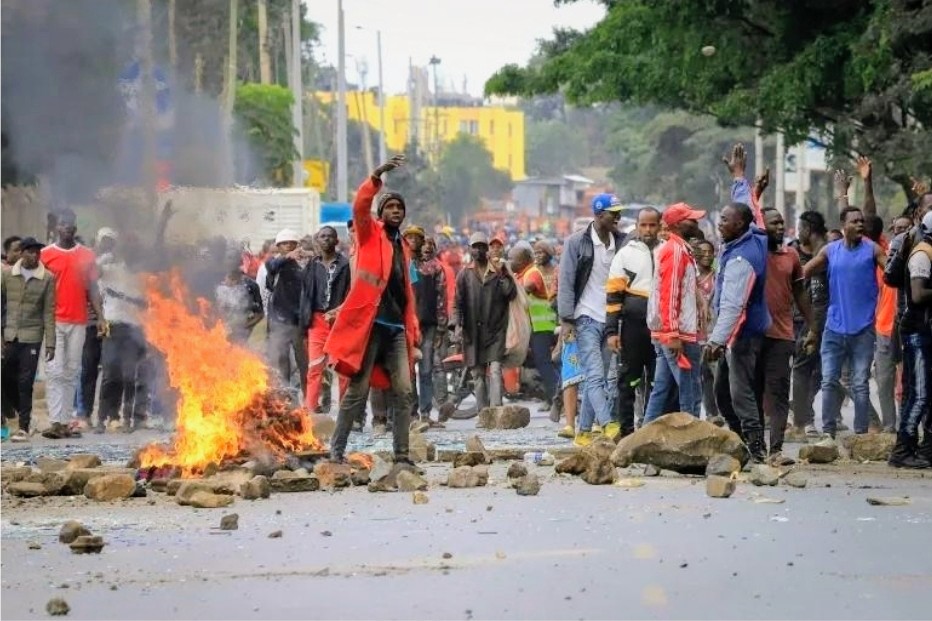
Authorities have reportedly used social media not only to spread disinformation but also to manipulate digital visibility. By flooding hashtags, posting misleading content, and orchestrating harassment campaigns, they effectively drowned out genuine protest voices, making it difficult for young activists to organize or maintain public support.

Despite the fear and intimidation, youth activists continue to call for justice and for an environment where they can safely participate in civic activities. Without accountability and protections against these forms of harassment, many young people remain silent, their energy and creativity stifled by fear.
The experience of Kenya’s Generation Z highlights both the courage of young activists and the challenges of digital-era repression. While social media has the power to amplify voices and mobilize communities, it can also be weaponized, and the fight for safe civic engagement continues to be urgent.
MORE NEWS ON GENZ’S IMPACT VIA SOCIAL MEDIA IN AFRICA
ARMY GENERAL APPOINTED MADAGASCAR PRIME MINISTER TO CALM GEN Z PROTESTS
CONCERNS RISE AS PROTESTERS GO MISSING AMID KENYAN DEMONSTRATIONS AGAINST TAX HIKES
A LOOK AT BANGLADESH GEN-Z REVOLUTION