Kimberly Mutandiro – Johannesburg

In mid-2025, vigilante group-turned-political party Operation Dudula embarked on a mission. Members began to protest in colorful military regalia at public clinics around South Africa. Ring leaders followed clinic queues and checked the identity documents.
People using passports from other African countries were chased away from clinics. Migrants were given two alternatives. To either go and pay money at private clinics for treatment or return to their originating countries.


Data from Stats SA shows that among 3 million migrants residing in South Africa, 77.7% rely on public clinics as their first choice, based on income and affordability.

Most migrants who rely on seeking treatment in public clinics are poor peasants and working-class people of a low social rank. Some do informal trading or rely on odd jobs to survive. As such, going to private clinics or hospitals is a luxury. Going back to originating countries with no savings is a non-starter.

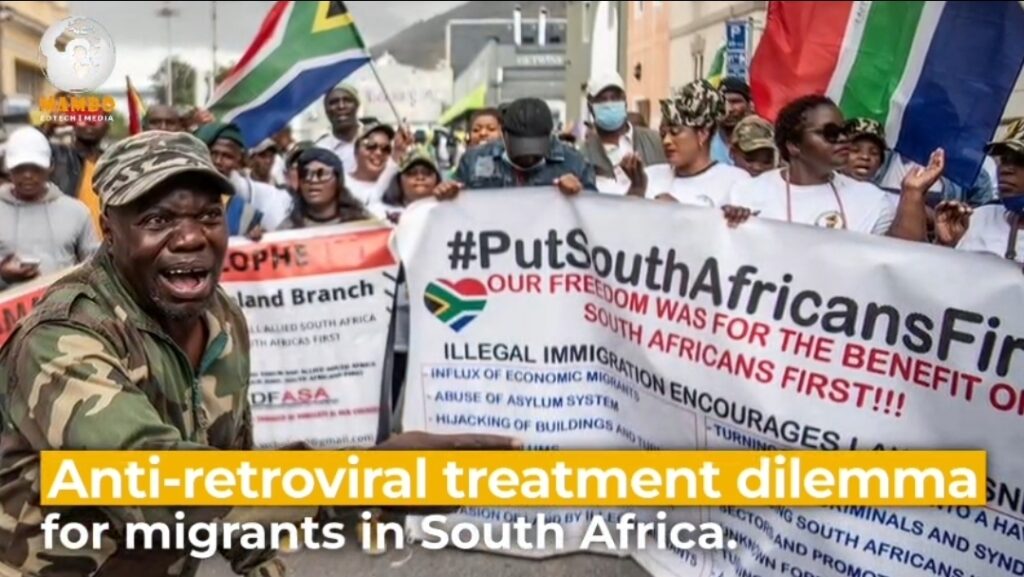
“Free healthcare resources should only be reserved for South Africans,” said Operation Dudula.Civil society organizations estimate that since Operation Dudula started its clinic protests, 53 clinics across South Africa have denied healthcare access to migrants. This was especially in Johannesburg and KwaZulu-Natal.
The move proved to be life-threatening for poor migrants, especially those relying on life-saving chronic medication. Poor migrants living with HIV and AIDS, relying on antiretroviral treatment, continued to frequent clinics, begging for treatment. But Operation Dudula and clinic staff under their influence showed no mercy.

CASE IN POINT
Rose, Thembi, and Nomcelo are HIV-positive. From November 2025 to date, they are being denied antiretroviral medication in Johannesburg clinics.
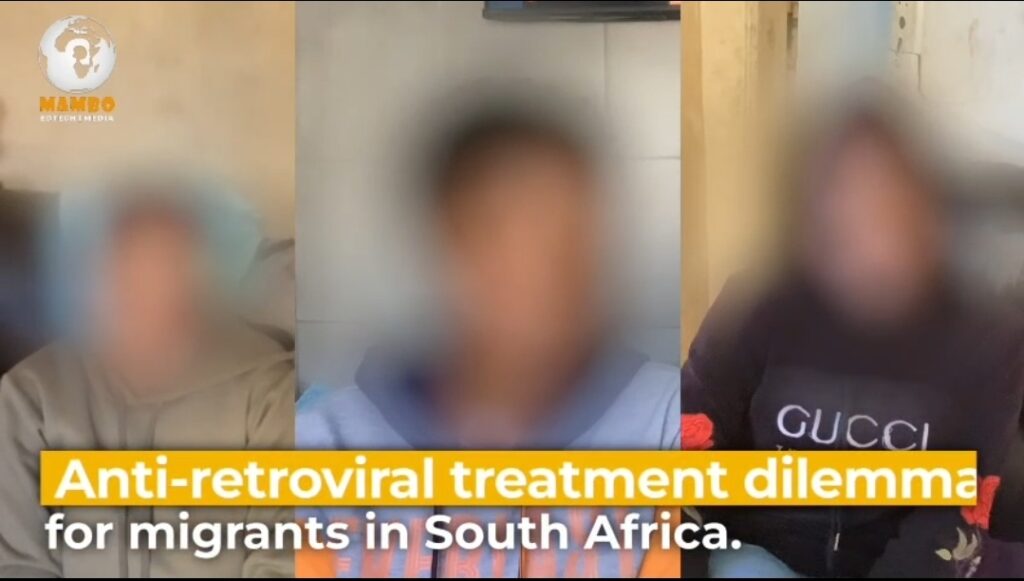
The three women are part of a demographic that can no longer access healthcare in South Africa’s public clinics.
Rose survives by selling hot plates of food. Most of her income goes to her family back in her home country. She cannot afford to pay R600 or $36 for a monthly supply of ARVs from private pharmacies. Rose has defaulted on treatment.
Much as she is facing difficulties being a migrant, she cannot go back to her home country. One special reason is that she has a baby with a South African man. Much as she would like to marry her South African partner and legalize her status in the country, restrictions in the Department of Home Affairs have made the process difficult.
Nomcelo and Thembi are twin sisters. When they visited a local clinic in November 2025, Operation Dudula members guarded the clinic gate. They were blocked from receiving their HIV treatment.
Rose, Thembi, and Nomcelo are HIV-positive. From November 2025 to date, they are being denied antiretroviral medication in Johannesburg clinics.
Since then they have visited the clinic again almost every week, hoping for better luck only to be chased away by Operation Dudula members.
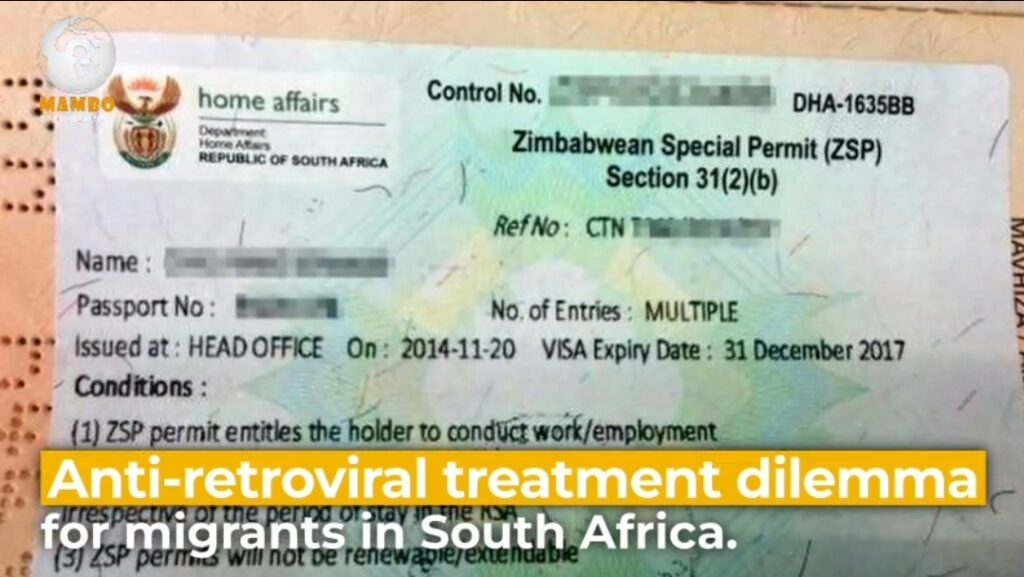
Image credit: /Kimberly Mutandiro – Mambo/
The two sisters are unemployed single mothers. Over the years they have lost jobs and have struggled to get any form of serious employment. As holders of the Zimbabwe Exemption Permit (ZEP), their lives have been unstable. Zimbabwe Exemption Permits (ZEP) were awarded as a part of a special visa dispensation granted to about 250,000 Zimbabweans by the South African Government between 2009 and 2017.
ZEP holders have been the subject of debate over the past few years, with the Department of Home Affairs debating its extension. Xenophobic groups have called for all ZEP holders to be sent back home to Zimbabwe. Due to the precarity of using the visa, many Zimbabweans have left the country. But those who remain in South Africa, like Nomcelo and Thembi, continue to face struggles every day, like being denied healthcare access.
Sometimes Nomcelo and Thembi clean people’s houses just to be able to put food on the table. The small income makes it impossible to afford private clinics or to buy ARVs from pharmacies.The two sisters have both defaulted from treatment.
The denial of healthcare access is against the South African Constitution, which calls for equal healthcare access to all people living in South Africa regardless of their nationality or documentation status. The Department of Health has called for law to take its course and for vigilante groups like Operation Dudula to face the full might of the law. But the South African police have done nothing to stop Operation Dudula or their clinic staff from blocking clinic access.

Civil society groups have intervened by staging protests and advocating for equal access to healthcare. The high court in Johannesburg, after an intervention by Kopanang Africa Against Xenophobia and partners, passed a ruling in November 2025. Operation Dudula was ordered to stop harassing migrants at clinics and directed the police and key government departments to enforce the ruling.
While a few clinics have opened their doors to migrants again, there are some instances where migrants are turned away without medication, told that the clinic has run out of medication, or forced to pay bribes to clinic staff for medication. Ironically, South Africans continue to receive preferential treatment.In essence, many clinics across South Africa continue to chase migrants away. Several still host Operation Dudula members at their gates.
In May, Rose, Thembi, and Nomcelo again visited their local clinic only to find a woman from Operation Dudula at the gate. They were again chased away and were even denied clinical transfers. Without transfers, they cannot try to get alternative help.Operation Dudula has not responded to comment requests.
The three women are calling for an intervention from the South African government. Without their medication, their immune system is slowly failingAll they want is to be given access to antiretroviral treatment so that they can survive and look after their children.
RELATED
AFRICAN ENVOYS BOYCOTT SOUTH AFRICA’S AFRICA DAY EVENT AMID XENOPHOBIA FALLOUT
SOMALI COMMUNITY EVENT SPARKS FRESH XENOPHOBIA TENSIONS IN SOUTH AFRICA AHEAD OF JUNE 30 DEADLINE