Wayne Lumbasi

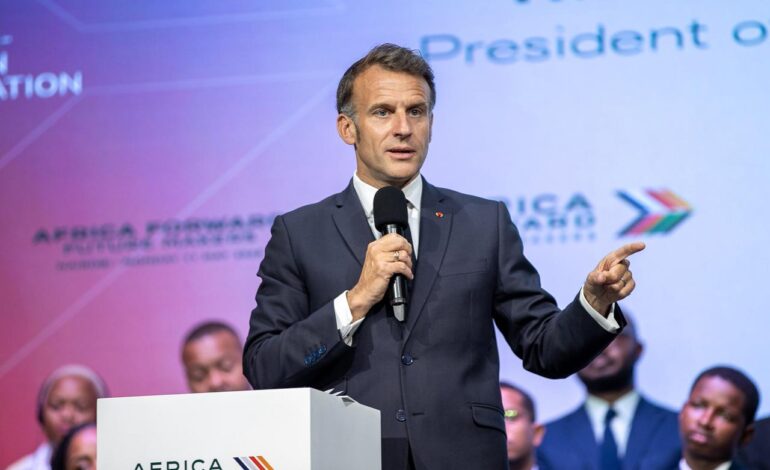
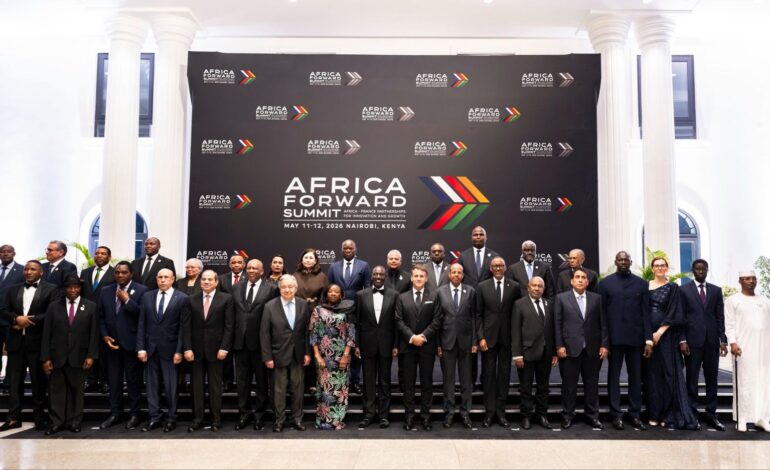
The Africa Forward Summit concluded Tuesday with a landmark commitment to dismantle the “risk bias” that has long throttled African economies. The two-day event, hosted by Kenyan President William Ruto and French President Emmanuel Macron, brought together over 30 heads of state and global finance chiefs to finalize the Nairobi Accord on Credit Reform, a framework designed to overhaul how the continent accesses global capital.
The summit’s primary target was the disproportionately high interest rates paid by African nations often termed the “Africa Premium.” President Ruto argued that current global credit rating methodologies are frequently “opaque and detached from reality,” treating African sovereign debt as high-risk regardless of actual fiscal performance or economic growth. In his address, he noted that Africa is not seeking charity, but rather a financial architecture that recognizes its potential rather than penalizing its geography.

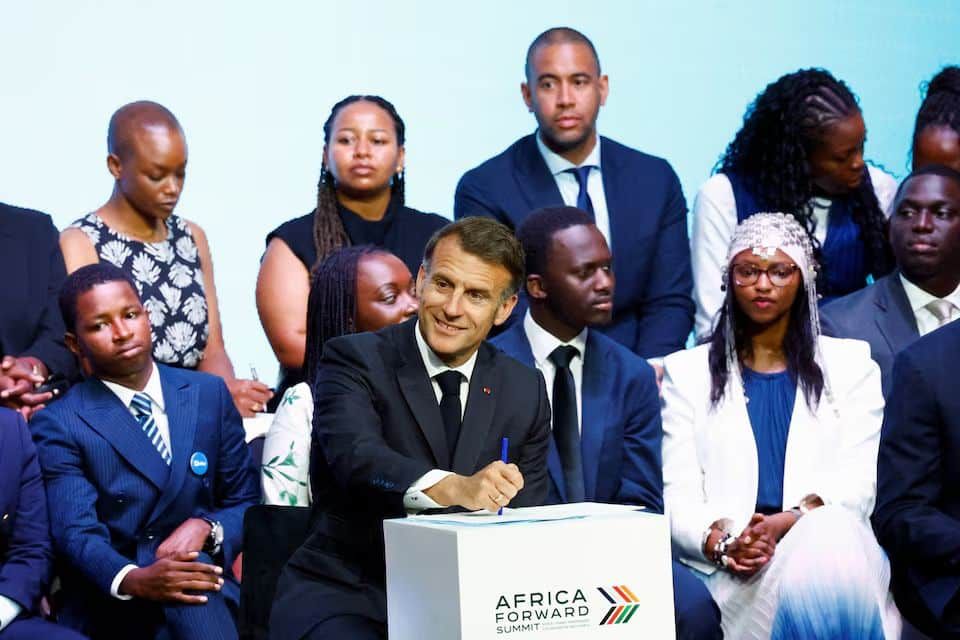
To address these disparities, the Accord outlines a roadmap for the creation of an African Union-led credit rating agency by 2027. This body is intended to provide “context-aware” data to global investors, offering a more nuanced alternative to the assessments of the “Big Three” global agencies. Additionally, the agreement demands higher transparency mandates, requiring international agencies to disclose the specific qualitative factors used to downgrade African economies.

For President Macron, the summit represents a critical strategic pivot toward Anglophone Africa. As traditional French influence faces challenges in the Sahel, Paris is repositioning itself as the primary Western advocate for African financial sovereignty. France committed 23 billion Euros in new investment vehicles, moving away from traditional aid models. Instead, these funds will serve as “first-loss guarantees,” a mechanism designed to absorb initial risks and encourage private European capital to flow into African green energy and infrastructure projects.

The partnership reflects what many are calling a “new pragmatism” in diplomacy. By championing credit reform, France aims to remain a relevant and preferred partner in a continent increasingly courted by China and the BRICS+ bloc. The Nairobi Accord also emphasizes local value addition, shifting the focus from the export of raw materials to joint ventures that facilitate industrial processing within African borders.
The success of these proposals now moves to the global stage. President Macron has formally invited President Ruto to the G7 Summit in June to present the Nairobi Principles to the world’s wealthiest nations. If adopted by the IMF and World Bank, these reforms could unlock hundreds of billions of dollars in affordable financing, potentially marking the end of the era where African development was stalled by the high cost of credit.

RELATED: