Faith Nyasuguta

Emmanuel Macron has announced that the return of looted African artefacts from French museums is now “irreversible and unstoppable,” marking a major turning point in the long and emotional battle over Africa’s stolen cultural heritage.
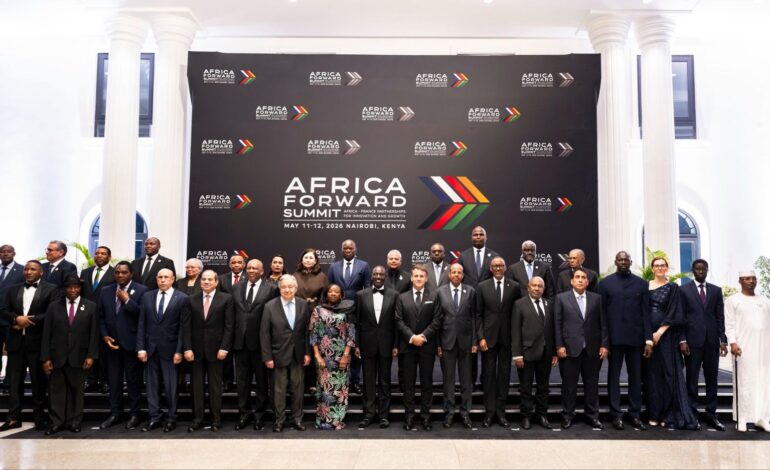
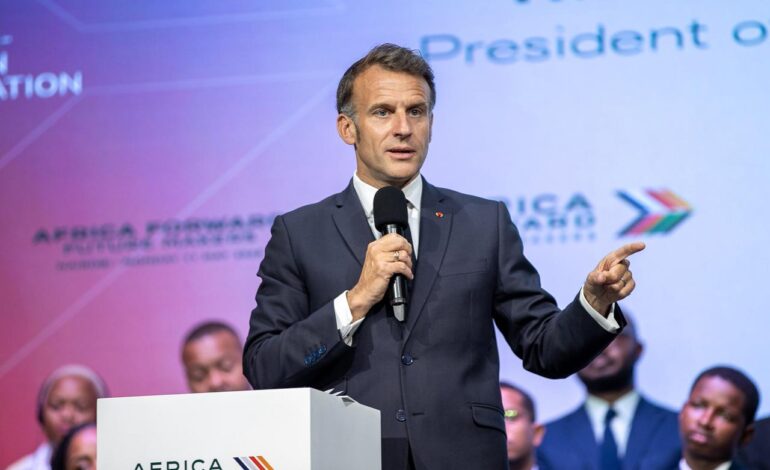
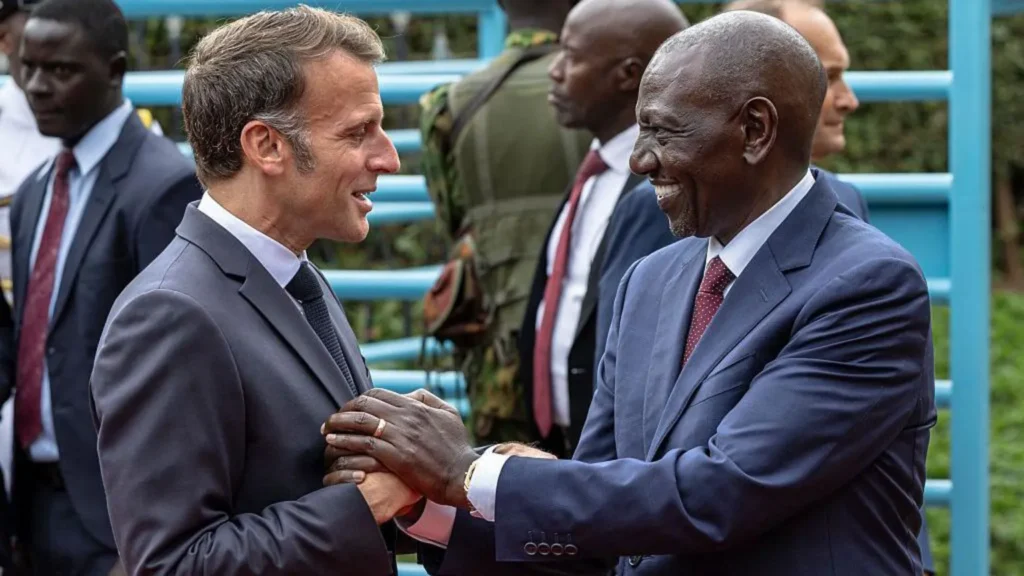
Speaking at the Africa Forward summit in Nairobi, Macron addressed an audience of African leaders, diplomats, scholars, and young innovators, declaring that France was entering a new era of cultural accountability. His remarks came just days after the French Parliament unanimously passed a landmark law creating a permanent legal pathway for the restitution of African artworks taken during the colonial era.

For years, the issue has remained one of the most symbolic wounds of colonialism.

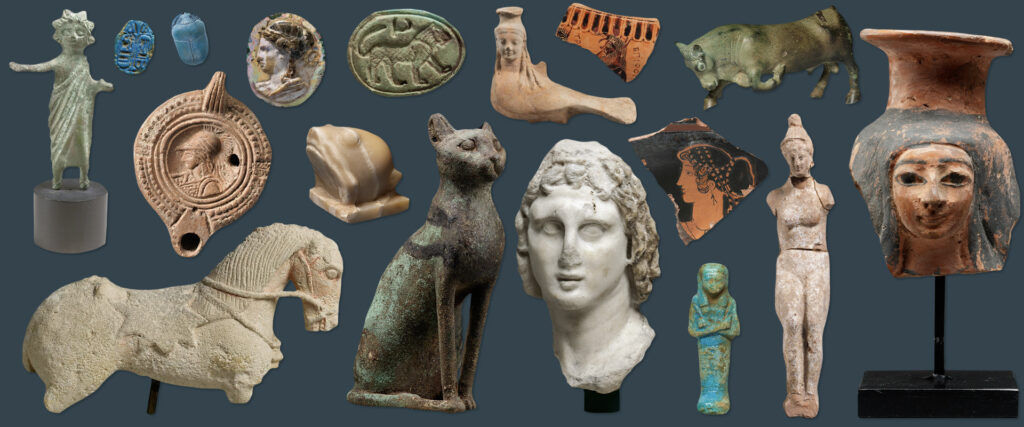
Thousands of African artefacts – from royal treasures and sacred objects to ceremonial masks and sculptures – were removed from the continent during military expeditions, colonial occupation, and unequal power arrangements. Many ended up in European museums, where they became global attractions while the communities they came from were left without access to their own history.

Macron first stunned the world with his position nearly nine years ago during a historic speech at the University of Ouagadougou in Burkina Faso in 2017.
“African heritage can no longer be a prisoner of European museums,” he declared at the time, promising to create conditions for African treasures to be returned either temporarily or permanently. Now, that promise has been transformed into law.

The new French legislation removes a centuries-old legal barrier known as “inalienability,” which previously prevented the French state from permanently handing over museum collections. Under the new framework, artefacts proven to have been looted, stolen, or acquired under coercive colonial conditions between 1815 and 1972 can now be formally returned.
The law also establishes joint scientific commissions between France and African countries to investigate the origins and ownership history of disputed items, creating what French officials describe as a more collaborative restitution process.
But despite Macron’s powerful rhetoric, the process comes with conditions.
France insists that returned artefacts must be housed in secure museums or preservation facilities capable of protecting them and ensuring public access. Critics say this requirement subtly shifts responsibility – and financial pressure – onto African governments already dealing with infrastructure challenges.
Still, momentum is clearly building. Several important artefacts have already been returned in recent years, including treasures linked to the Kingdom of Dahomey in Benin and cultural objects sent back to Cote d’Ivoire. Macron’s renewed push also arrives at a sensitive geopolitical moment.
France has faced growing anti-French sentiment across parts of West Africa and the Sahel, where military coups and rising nationalism have weakened Paris’ traditional influence. In that context, cultural restitution is increasingly being viewed not just as moral repair, but also as strategic diplomacy.
By presenting the returns as a partnership between Africa and Europe rather than an act of charity, Macron is attempting to reshape France’s image on a continent where colonial memories remain deeply alive.
For many Africans, however, the issue goes beyond diplomacy.It is about reclaiming identity, restoring dignity, and bringing home pieces of history that were never meant to leave in the first place.
RELATED: