Wayne Lumbasi

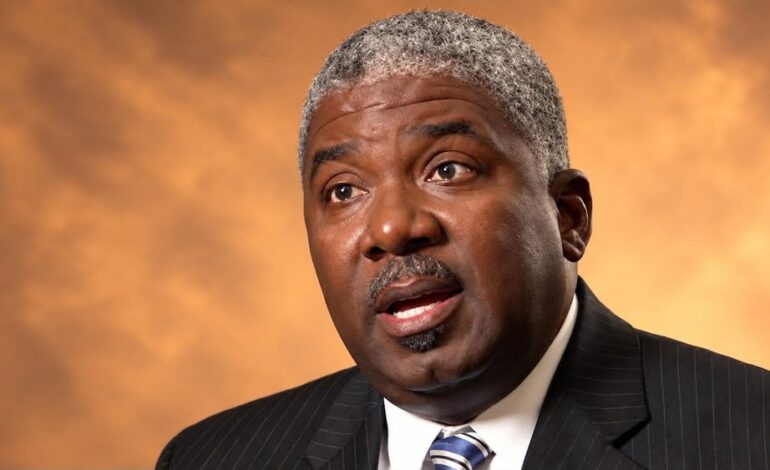
A Florida-based pastor has been convicted in the United States over his involvement in the conspiracy surrounding the 2021 assassination of Haitian President Jovenel Moïse, in a landmark development in the long-running investigation into the killing that plunged Haiti into political turmoil.
Christian Emmanuel Sanon, a 68-year-old pastor holding dual Haitian-American citizenship, was found guilty on Wednesday, November 18, 2026, on all eight charges following a nearly eight-week trial at a federal court in Miami, Florida. The charges included conspiring to kill Moïse and conspiracy to kidnap or kill a person outside the United States. He now faces a possible life sentence, with sentencing scheduled for February 10, 2027.

Prosecutors argued that Sanon was among the central figures in a conspiracy designed to remove Moïse from power and install a new president who would serve the interests of those behind the operation. According to the prosecution, Sanon was initially identified as the preferred candidate to take over Haiti’s presidency and allegedly helped raise funds, organise travel arrangements and secure accommodation for individuals involved in the operation.

Investigators traced much of the planning and financing to South Florida, where Sanon allegedly met with a former Haitian senator and several American businesspeople in April 2021. The group reportedly discussed replacing Moïse with Sanon and securing lucrative government contracts for two Florida-based companies. The proposed agreements involved infrastructure development, security forces and military equipment.
The operation also involved the recruitment of Colombian nationals, many of them former soldiers, who were brought in to provide security for Sanon. Prosecutors said the conspirators eventually expanded their plans, acquiring weapons and body armour while attempting to establish connections with armed groups in Haiti. Investigators further alleged that money obtained through US government programmes established to support businesses during the COVID-19 pandemic was used to finance the operation.
However, the conspiracy reportedly changed direction after the group concluded that Sanon lacked the constitutional qualifications and popular support required to become president. The conspirators subsequently shifted their backing to Wendelle Coq Thélot, a former Haitian Supreme Court judge who died in January 2025.
During the trial, Sanon acknowledged communicating with individuals seeking to replace Moïse but denied knowing about any assassination plan. He maintained that the conspirators had abandoned his presidential ambitions long before the killing and argued that he had no involvement in the decision to murder the president.
His lawyer, Zeljka Bozanic, expressed disappointment with the verdict and announced that the defence intends to appeal the conviction.
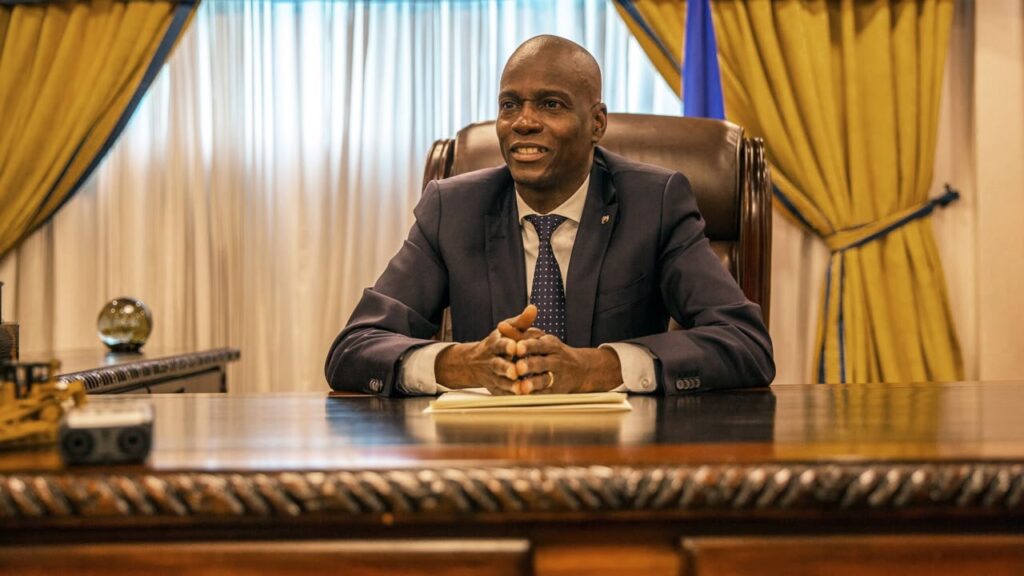
Moïse was assassinated on July 7, 2021, when an armed group consisting largely of former Colombian soldiers stormed his private residence in Port-au-Prince in a nighttime attack. The president was shot dead while his wife, Martine Moïse, sustained serious gunshot injuries but survived.
His assassination created a major power vacuum in Haiti, worsening an already fragile political environment and contributing to years of institutional instability, insecurity and escalating gang violence. Armed gangs have since expanded their control across significant parts of the country, forcing millions of people from their homes.
The United States has charged more than 40 individuals in connection with the assassination conspiracy, with approximately 12 already convicted, including five serving life sentences. Several other alleged conspirators, including former Haitian officials and Colombian nationals, remain caught up in the wider legal proceedings.
Sanon’s conviction adds another significant chapter to the international investigation into the killing of Haiti’s president, more than five years after the assassination. Despite several convictions in the United States, questions surrounding the full network behind the operation and the political interests that motivated it remain central to the case.
RELATED: