Njoki Kangethe

The True Cost of Consumption- Part 1
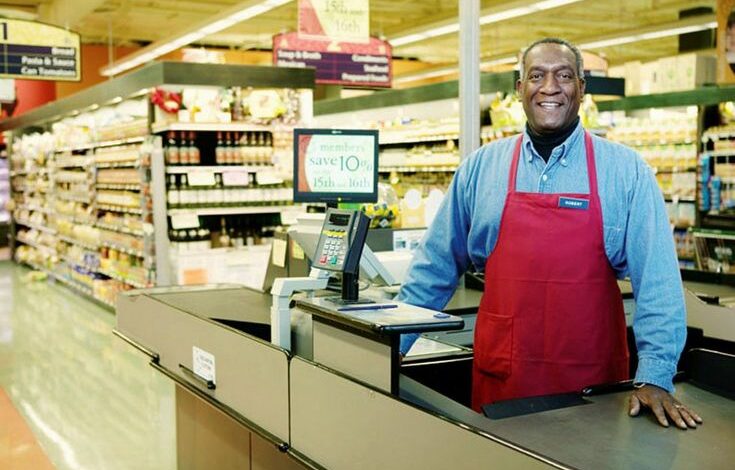
A T-shirt costs KSh 500, a smartphone costs KSh 30,000, and a bottle of cooking oil costs a few hundred shillings. At the checkout, the transaction appears straightforward: a buyer pays, a business makes a sale, and a product changes hands. Yet the price displayed on a shelf tells only part of the story. Behind almost every product lies a chain of resource extraction, manufacturing, transportation, labour and eventual disposal, with environmental and social consequences that are rarely visible to the person making the purchase.

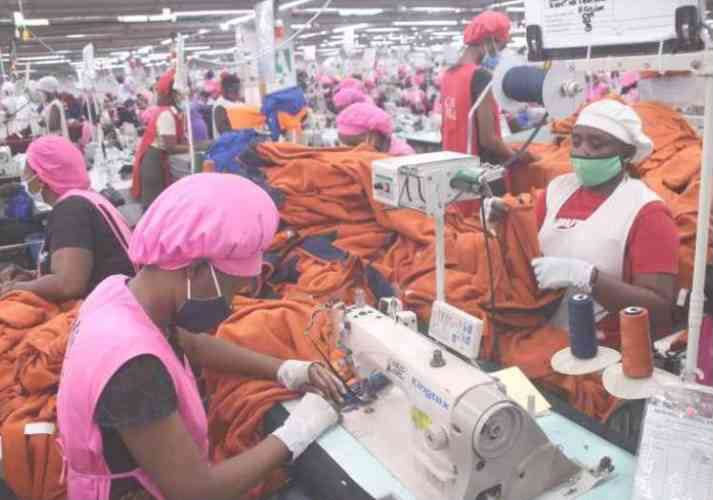
Consider the journey of a cotton T-shirt. Before it reaches a shop, cotton must be grown and harvested, often using land, water and agricultural inputs. The fibres are processed into yarn, woven into fabric, dyed, cut and sewn into a garment before being packaged and transported to market. Each stage consumes resources and involves workers, infrastructure and energy. When the shirt eventually wears out or falls out of fashion, another set of costs emerges: collection, reuse, recycling or disposal. The price paid by the customer must cover some of these activities, but it does not necessarily reflect their full impact.

This gap between the price of a product and its wider cost is central to understanding modern consumption. It raises a question that goes beyond whether people buy too much: who pays for the consequences of producing and consuming the things we depend on?

The Hidden Economy Behind Everyday Goods
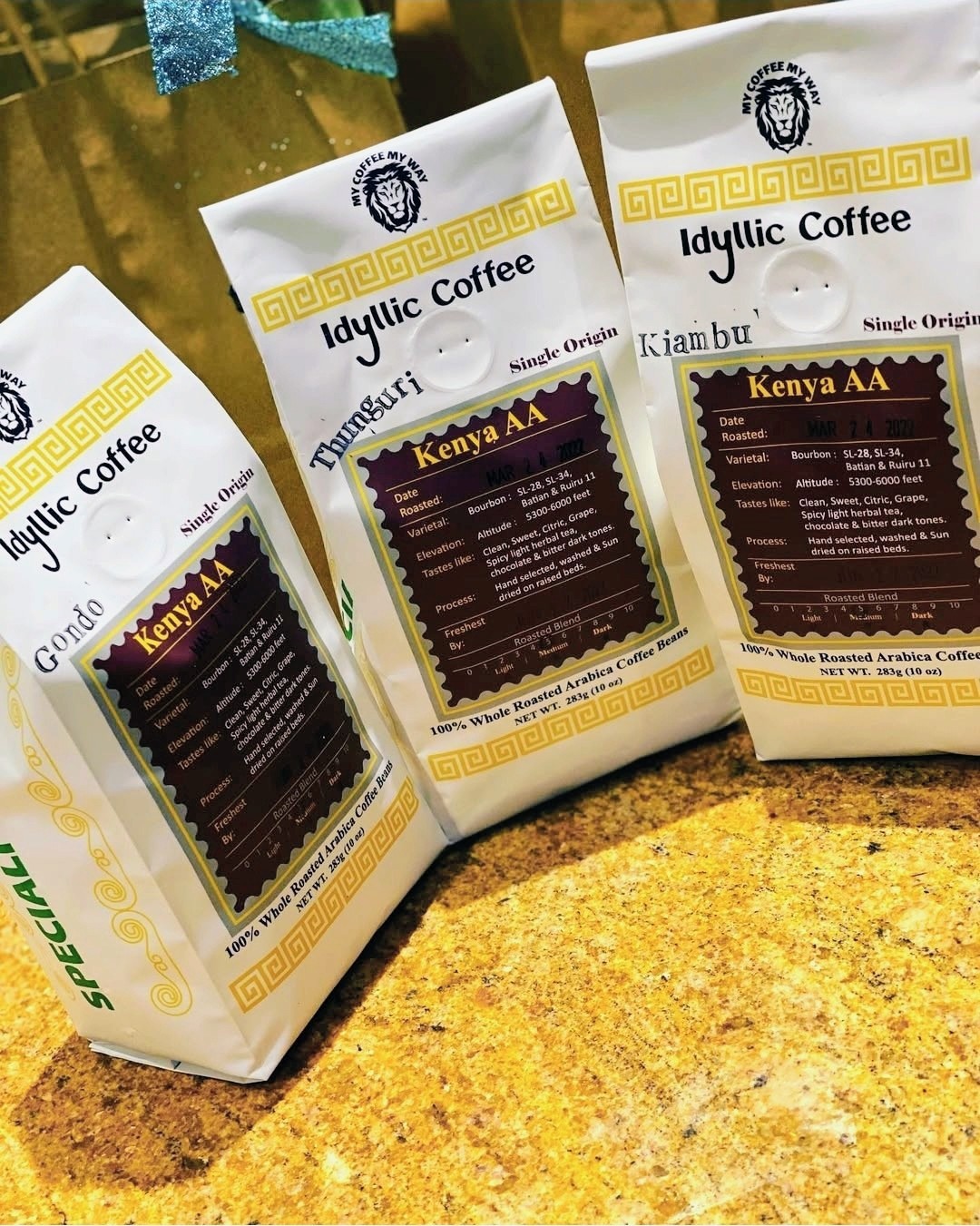
Modern economies have made products increasingly accessible through global supply chains, mass production and competition. Businesses seek to produce efficiently, retailers compete on price, and consumers often have to make purchasing decisions within tight household budgets. These forces can deliver genuine benefits, including lower prices, greater choice and employment. The problem arises when the pursuit of affordability and profit depends on environmental damage or social costs that are transferred to someone else.

Economists describe some of these effects as externalities. A factory, for example, may generate revenue from manufacturing while nearby communities bear some of the costs of polluted air or water. A company may sell a packaged product without paying the full cost of collecting and managing its packaging after use. Where those costs fall on public services, communities or the environment rather than being reflected in the product’s price, the market price becomes an incomplete measure of what society is actually spending.
The scale of global resource use makes this concern difficult to ignore. The United Nations Environment Programme’s Global Resources Outlook 2024 warns that resource extraction and processing continue to drive environmental pressures, including climate change, biodiversity loss and pollution. Without substantial changes in how resources are used, global extraction could rise by 60 per cent by 2060 compared with 2020 levels. The report argues that reducing these pressures requires changes in economic incentives, production systems and resource use, rather than relying on individual consumer choices alone. (UNEP, 2024).
This matters because consumption is not an isolated act. Every purchase supports a chain of decisions about what gets manufactured, how long products last, how workers are treated, what materials are used and who is responsible when a product becomes unwanted. The customer sees the finished item; much of its history remains hidden.
When The Cheapest Option Carries the Highest Cost
Low prices are not inherently a problem. For households managing rent, food, transport and other essentials, affordable products can make an important difference. Nor does a higher price automatically mean a product is more sustainable or that its workers have been treated fairly. The challenge is understanding what sits behind the price and whether the costs have been accounted for at all.
A product can be cheap because its manufacturer has developed a more efficient process, reduced unnecessary material use or benefited from economies of scale. It can also be cheap because the product is designed for a short useful life, workers have little bargaining power, pollution controls are inadequate or the cost of managing waste is borne by someone else. These situations may look similar at the checkout, but their wider consequences are very different.
The same question applies to packaging. Packaging protects products, supports safe transportation and can reduce food spoilage. However, when materials are difficult to reuse or recover, the costs of collecting and managing them can extend far beyond the original sale.
In Kenya, the Sustainable Waste Management (Extended Producer Responsibility) Regulations, 2024, establish obligations for covered producers and products relating to post-consumer waste management. The framework is intended to extend responsibility beyond the point of sale and operationalise the polluter-pays principle. Its practical impact will depend on implementation, compliance and the effectiveness of recovery systems. (NEMA, 2024).
The distinction is important: the issue is not simply that products are cheap, or that consumers should feel guilty about buying them. It is whether the way they are produced and sold creates costs that are excluded from commercial decisions.
Africa’s place in the consumption chain
For African countries, the question extends beyond household shopping habits. The continent participates in global supply chains as a source of raw materials, a manufacturing and processing base in some sectors, a market for imported goods and a destination for products at different stages of their useful lives. The environmental and economic consequences therefore depend on where value is created, where products are consumed and where the resulting waste ends up.
Consider a product manufactured elsewhere and sold in an African market. Its purchase may support local distributors, retailers and transport businesses, while its production-related emissions and resource use occur in other countries. Once discarded, however, the product may place additional demands on local collection services, recyclers and disposal infrastructure. If the product contains materials that are difficult or expensive to recover, communities and public authorities may be left managing a problem that was not fully accounted for when it was sold.
The distribution of costs is not always this straightforward, and different products have different supply chains. Nevertheless, it is a useful starting point for investigating who captures the value of consumption and who bears its consequences. It also raises questions about local manufacturing, repair industries, product durability and the capacity of African businesses to retain more value through reuse and material recovery.
The United Nations’ Sustainable Development Goal 12, which focuses on responsible consumption and production, recognises that resource efficiency and reduced pollution require action across the entire supply chain. Businesses, governments, retailers, consumers and other stakeholders all have a role in shifting production and consumption towards more sustainable patterns. (United Nations, Department of Economic and Social Affairs).
Can Consumers Buy Their Way Out of the Problem?
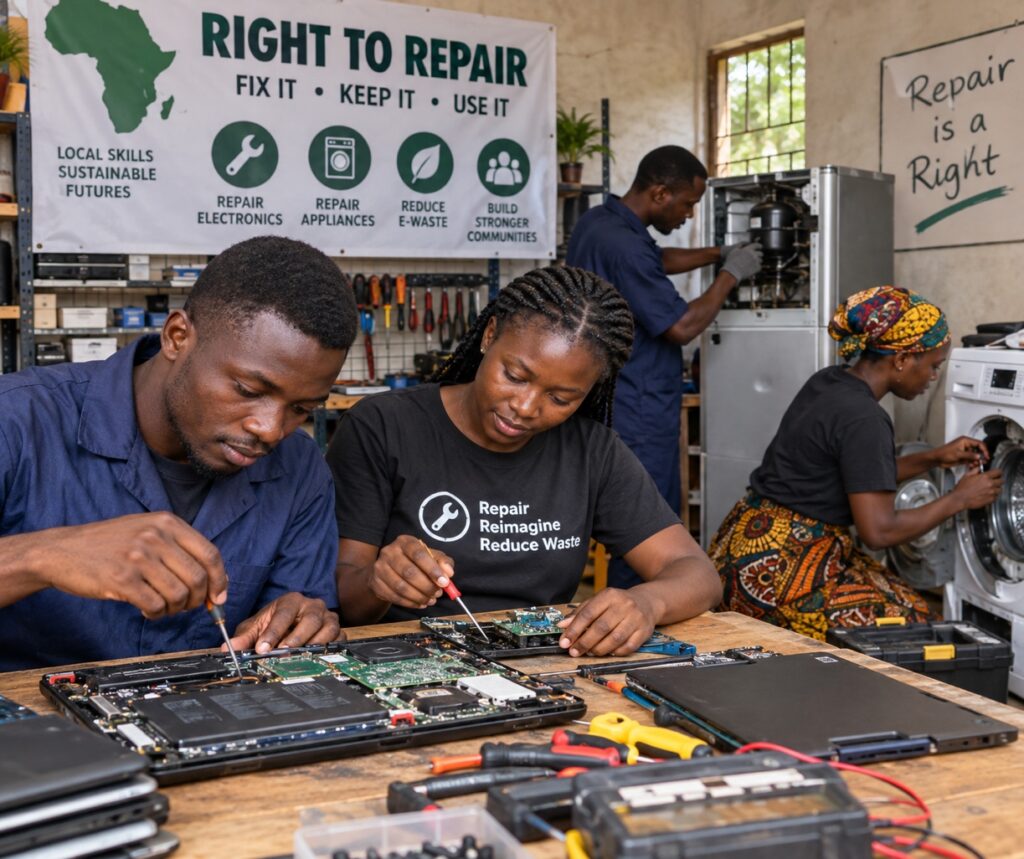
Responsible consumption is often presented as a matter of individual choice: buy less, choose reusable products, repair what you own and recycle when possible. These actions can help, but they have limits when consumers lack affordable alternatives, reliable waste collection, accessible repair services or trustworthy information about the products they buy.
A person who replaces a broken appliance may have little choice if spare parts are unavailable or repairs cost nearly as much as a new product. A household may want to avoid disposable packaging but find that most affordable goods are sold in it. A consumer may be willing to pay more for a durable product but struggle to distinguish genuine environmental benefits from marketing claims. Asking individuals to make better choices without examining these constraints places responsibility on the person with the least control over how products are designed and supplied.
Businesses have a different degree of influence. Manufacturers can design products to last longer, use fewer virgin materials and make repairs easier. Retailers can offer refill and take-back systems, while producers can help finance the recovery of products and packaging at the end of their useful lives. Governments can establish standards, enforce environmental requirements and ensure that the costs of pollution are not routinely transferred to the public.
None of these measures is automatic, and sustainability claims should be tested against measurable results. A reusable product, for instance, delivers environmental benefits only under the right conditions, including how it is produced, how frequently it is used and what it replaces. Recycling also cannot compensate indefinitely for a system that continually increases material consumption. The more fundamental question is whether products and business models can meet people’s needs while using fewer resources and generating less pollution.
Rethinking What Value Really Means
Consumption is an essential part of economic life. It supports jobs, trade, innovation and access to goods that improve people’s lives. The aim cannot simply be to stop people from buying things, particularly where access to basic goods remains unequal. It is to question an economic model in which the volume of sales can matter more than product durability, resource efficiency or the consequences left behind.
That means looking beyond the price tag to consider how products are made, how long they remain useful, what happens when they are discarded and whether the businesses selling them account for their wider impacts. It also means recognising that a sustainable economy must remain socially fair. A transition that makes essential goods unaffordable for low-income households while leaving harmful production practices untouched would miss the point.
Over the coming articles, this series will follow the hidden costs of consumption through the clothing trade, electronic waste and packaging, before examining whether sustainable alternatives are affordable and whether circular business models can create viable economic opportunities. The aim is not to condemn consumption, but to investigate the systems behind it and the choices available to businesses, policymakers and consumers.
Ultimately, the real cost of a product cannot be understood by looking at its price alone. It must also account for the resources used to make it, the people involved in producing it and the consequences of what happens when it is no longer wanted. Until those costs are better understood and more fairly distributed, the price we pay will continue to tell only part of the story.
References
1. United Nations Environment Programme (UNEP). (2024). Global Resources Outlook 2024: Bend the Trend – Pathways to a Liveable Planet as Resource Use Spikes.Available at: https://www.unep.org/en/publications/report/global-resources-outlook-2024
2. United Nations, Department of Economic and Social Affairs. Sustainable Consumption and Production.Available at: https://sdgs.un.org/topics/sustainable-consumption-and-production
3. National Environment Management Authority (NEMA), Kenya. (2024). Sustainable Waste Management (Extended Producer Responsibility) Regulations, 2024, Legal Notice No. 176. Available through NEMA’s Gazetted Regulations page.
4. United Nations Environment Programme (UNEP). (2024). Global Waste Management Outlook 2024.Available at: https://www.unep.org/en/publications/report/global-waste-management-outlook-2024