Faith Nyasuguta
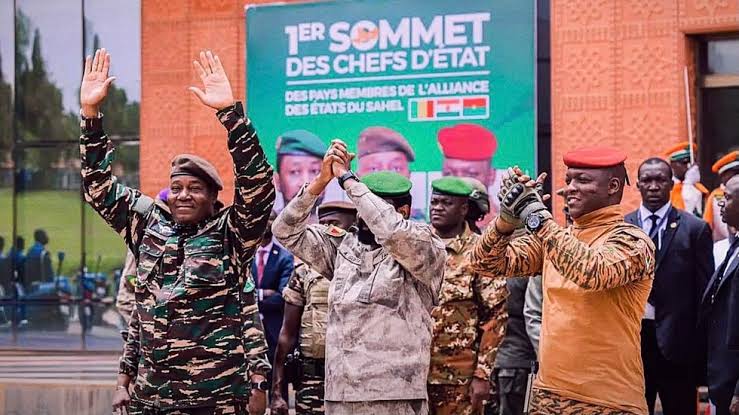
They walked away from West Africa’s biggest regional bloc, challenged its authority and established their own alliance. Now, nearly 21 months after their formal departure, Mali, Burkina Faso and Niger are returning to the negotiating table with the Economic Community of West African States (ECOWAS).
But this is no reunion. The three Sahel nations are negotiating how to cooperate with an organisation they no longer want to belong to.

On October 17, 2026, representatives of ECOWAS and the Confederation of Sahel States (AES) met in Dakar, Senegal, agreeing to establish joint working groups tasked with developing a formal cooperation framework.

The decision signals a shift from political confrontation towards practical engagement, as both sides confront the economic and security realities of a divided West Africa.

Political Divorce To Diplomatic Engagement
The split began in January 2024, when Mali, Burkina Faso and Niger announced their withdrawal from ECOWAS following disputes over military takeovers, regional sanctions and demands for democratic transitions.

Their departure officially took effect on January 29, 2025, ending decades of membership in the 15-nation regional organisation.The three countries subsequently strengthened their own political and security alliance under the AES, presenting it as an alternative model of regional cooperation built around national sovereignty.
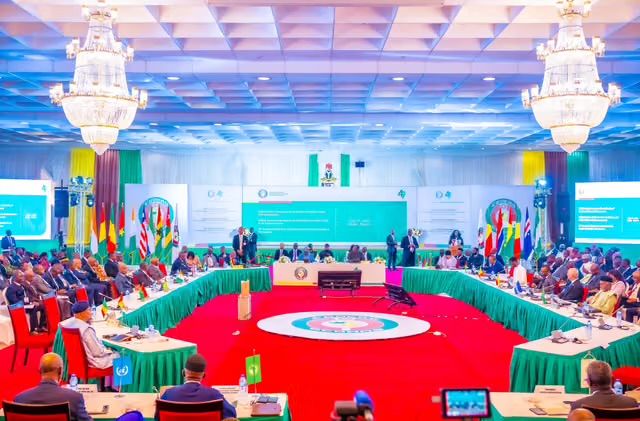
Their withdrawal reduced ECOWAS membership from 15 countries to 12, creating new questions about trade, movement and regional security coordination.Yet geography has proved considerably harder to separate than politics.
Three Landlocked Nations, One Economic Reality
Mali, Burkina Faso and Niger may have left ECOWAS, but their economies remain deeply connected to neighbouring countries. All three are landlocked, relying heavily on transport corridors through coastal West African states to reach international markets.
Mali depends on commercial routes through Senegal and Côte d’Ivoire, while Burkina Faso maintains important trade connections through Ghana, Togo and Côte d’Ivoire.Niger similarly relies on regional transport networks for essential imports and exports.
Disruptions along these routes can increase transportation costs, delay supplies and affect businesses across national borders.
For coastal economies, the stakes are equally significant. Sahelian markets provide customers for transport operators, manufacturers, traders and logistics companies.The political borders may have hardened, but the economic relationships have not disappeared.
What Was Agreed In Dakar?
The October 17 meeting brought together delegations led by Senegalese Foreign Minister Cheikh Niang, representing ECOWAS, and Burkina Faso’s Foreign Minister Karamoko Jean-Marie Traoré, representing the AES.
According to their joint communiqué, both sides agreed to create thematic working groups to identify areas of mutual interest and develop recommendations for future cooperation.
The discussions are expected to address practical issues affecting regional relations, including trade, transport and infrastructure. Their recommendations will be submitted to ministers for consideration at a subsequent meeting. However, neither the date nor the location of that meeting has been announced.
Importantly, no new trade agreement was signed, and the discussions do not indicate that the three countries intend to rejoin ECOWAS. Instead, the process seeks to establish rules for cooperation between two separate regional organisations.
Sovereignty Meets Regional Interdependence
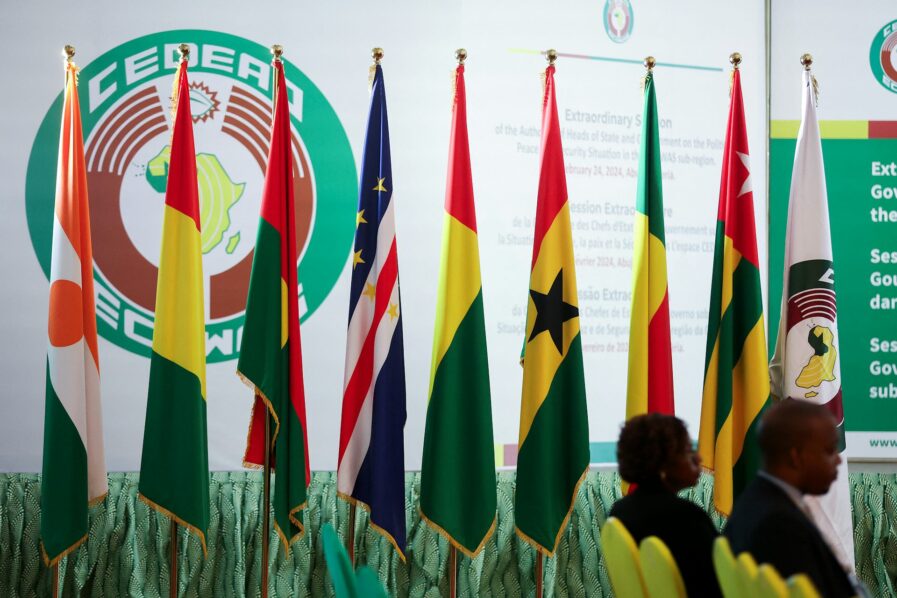
Both delegations emphasised good neighbourliness, mutual respect, national sovereignty and the welfare of West African populations. These principles reflect the political sensitivities surrounding the negotiations.
The AES governments have repeatedly defended their independence from external political pressure, while ECOWAS continues to emphasise regional integration and collective cooperation.
Finding common ground will require balancing these positions without reopening the disputes that contributed to the original split. The Dakar talks build on earlier consultations held in Bamako, Mali, on May 22, 2025.
Senegal, under President Bassirou Diomaye Faye, has played an important diplomatic role in facilitating engagement between the two sides.
Can West Africa Cooperate Without Reuniting?
The next challenge is turning diplomatic language into workable arrangements. Regional trade, transport networks and shared security concerns will continue to demand coordination, regardless of institutional membership.
For businesses and communities operating across West African borders, practical agreements may matter more than political declarations. The working groups must now determine where cooperation is possible and how disagreements can be managed.
For ECOWAS and the AES, the Dakar meeting represents progress, but not reconciliation.
The three Sahel states have made their decision to leave. The question now is whether West Africa can remain economically and strategically connected despite its political divisions.
RELATED: