Wayne Lumbasi

Senegal has achieved a milestone in regional public health by becoming the first African nation to locally manufacture a targeted treatment for sickle cell disease. The medicine, commercialized under the name DREPAF, is a generic version of hydroxyurea -the essential therapeutic recommended by the World Health Organization to manage the inherited blood disorder.
Produced by Dakar-based Teranga Pharma at its facility in Mbao in partnership with the NGO Drep.Afrique, the breakthrough marks an important step toward making life-saving treatments accessible directly within the continent.

Sub-Saharan Africa carries nearly 80% of the global sickle cell disease burden, yet regional health systems have long relied on expensive imported pharmaceuticals from Europe & North America. Because international supply chains are frequently disrupted, doctors across the continent were often left to treat painful complications rather than managing the underlying blood condition. Backed by approximately $7.1M in funding & technical cooperation with an Indian partner, the local production of DREPAF enables Africa to directly bypass global distribution bottlenecks.

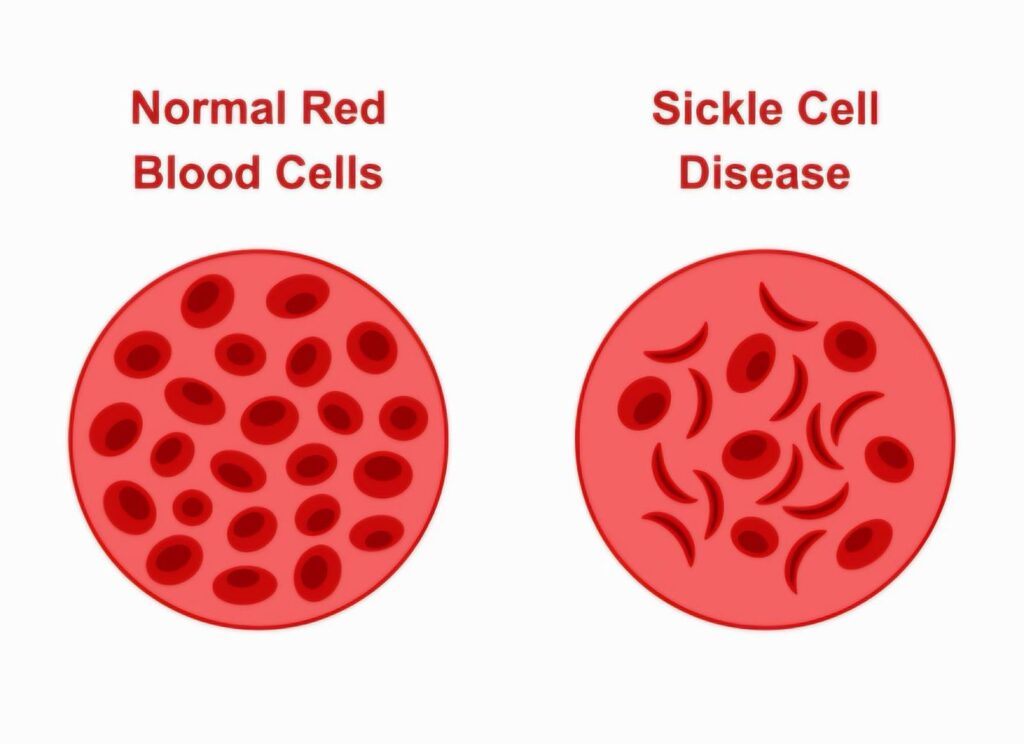
Unlike commercial imports subject to high tariffs & markups, DREPAF is distributed at cost, pricing daily treatment at roughly $0.08–$0.16 (~50 to 100 CFA francs). While hydroxyurea is not a cure, it works by boosting the production of fetal hemoglobin, which stops red blood cells from contorting into rigid shapes that block blood vessels.
Regular therapy reduces excruciating pain crises, emergency room visits, & blood transfusions threefold. To ensure early intervention, the production line offers a standard 500 mg adult dose alongside a specialized 100 mg pediatric formulation designed for infants as young as 9 months old.
Following regulatory approval in Senegal, Teranga Pharma began coordinating distribution with neighboring nations, including Burkina Faso, Guinea, & Ivory Coast, while receiving requests from Gabon, Cameroon, & the Democratic Republic of Congo. The laboratory aims to scale its operations to meet hydroxyurea demand across sub-Saharan Africa by 2030. For millions of families affected by the disease, the rollout offers both an affordable lifeline & a practical demonstration of how African nations can build pharmaceutical self-reliance.
RELATED: