
Wayne Lumbasi

Recent revelations from genetic scientists and private testing clinics across Malawi have sparked intense public debate over paternity fraud, infidelity, and changing family structures, revealing that up to 80% of men who voluntarily seek paternity tests turn out not to be the biological fathers of the children in question.
According to Dr. Kingdom Kwapata, a prominent genetics scientist at the Lilongwe University of Agriculture and Natural Resources, facilities handling private testing requests report a consistent trend where four out of five men paying for DNA confirmation following personal suspicions receive negative results. Private laboratories operating in major urban centers like Lilongwe and Blantyre have corroborated these figures, noting a steady surge in requests from husbands and partners seeking closure, peace of mind, or official verification before taking major life steps.

However, researchers caution that this alarming figure reflects a heavily targeted sampling pool rather than the general Malawian population. The high non-paternity rate is heavily skewed by selection bias, as voluntary testing is predominantly sought by men who already possess strong reasons to suspect infidelity, such as discovered text messages, rumors, or mathematical discrepancies in pregnancy timelines.
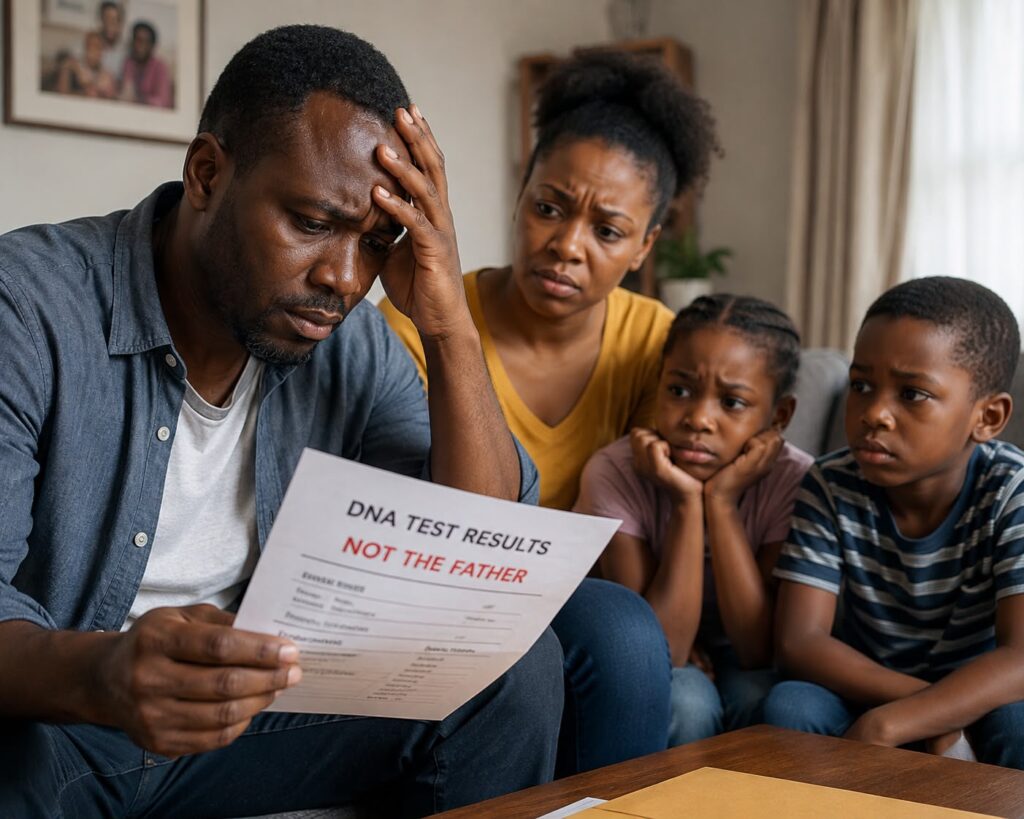
Conversely, statistics from court-mandated testing reveal a completely different reality that paints a far less cynical picture of family structures. In judicial cases involving child maintenance claims, where men frequently deny paternity in an attempt to evade ongoing financial obligations, the genetic results flip dramatically. In these legal settings, tests prove that approximately 90% of the accused men are indeed the biological fathers of the children.

Lawyers and judicial officers note that while the sensational 80% non-paternity figure dominates social media banter and public conversation, court records consistently demonstrate that standard paternity claims brought by mothers seeking child support are overwhelmingly accurate.
The widespread media coverage and online dissemination of these statistics have drawn strong reactions from faith-based organizations, marriage counselors, and civil society leaders, who express growing concern over the erosion of interpersonal trust within households and the long-term emotional toll on affected children.

Organizations like the Public Affairs Committee have highlighted the potential for increased domestic instability, noting that public suspicion can destroy healthy family units even before a test is taken. At the same time, lawyers point out that DNA evidence is becoming an increasingly essential tool in custody battles, divorce proceedings, asset distribution, and estate planning across Malawian courts, altering how family law is practiced across the country.
Beyond the courtroom and the laboratory, the national dialogue surrounding paternity testing touches on broader socio-economic shifts occurring across urban centers. As financial pressures rise and young couples navigate changing social norms, access to modern biotechnology is shifting the balance of power within relationship disputes.
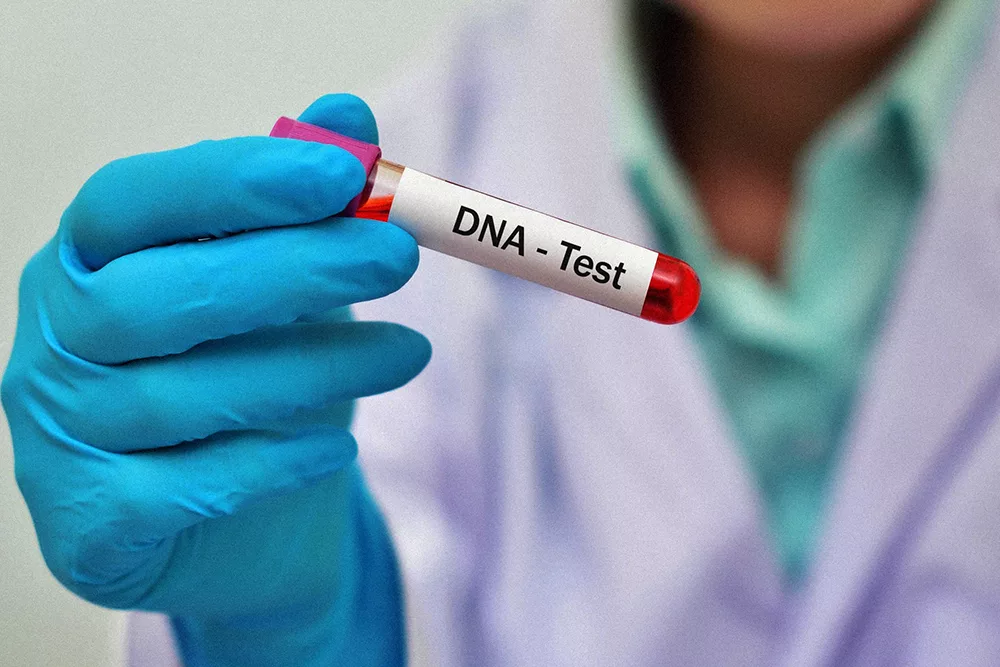
Where disputes over lineage were historically settled through extended family mediation or tribal elders, modern Malawians are increasingly turning to laboratory science to settle personal conflicts. Consequently, genetic testing facilities find themselves operating at the volatile intersection of science, law, and culture, where a single lab result can instantly rewrite a family’s history and future.
RELATED: