Faith Nyasuguta

Tanzania and Uganda have taken another major step toward reshaping East Africa’s energy landscape, signing a landmark agreement with global energy trader Vitol to transform Tanzania’s coastal city of Tanga into one of the region’s most important petroleum trading and logistics hubs.
The deal is expected to strengthen fuel storage, trading and distribution while supporting the region’s growing oil industry as Uganda prepares to become an oil-exporting nation for the first time.

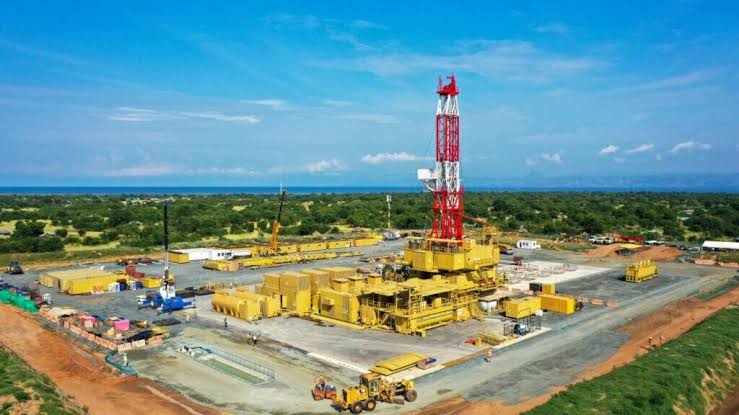
The agreement builds on years of cooperation between the two neighbouring countries and comes as the long-awaited East African Crude Oil Pipeline (EACOP) nears completion. Once operational, the pipeline will transport crude oil from Uganda’s Lake Albert oilfields to the Port of Tanga, where it will be shipped to international markets.

Officials say the latest partnership goes far beyond exporting crude. Instead, it aims to position Tanga as a regional energy gateway capable of handling petroleum storage, fuel trading and logistics for multiple countries across East Africa.

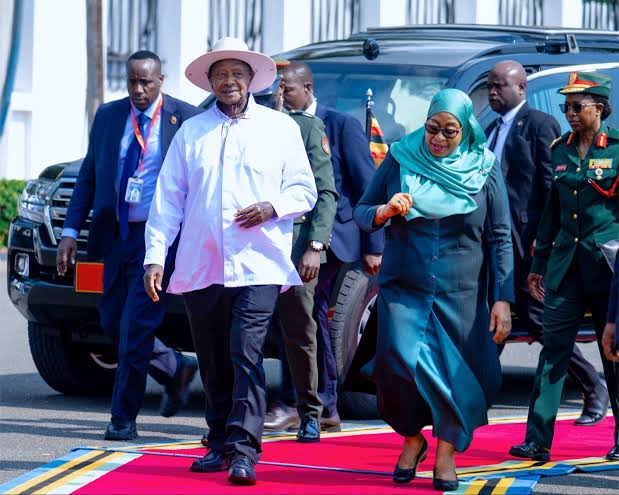
The project is expected to create new jobs, attract private investment and improve the reliability of fuel supplies across the region while reducing dependence on infrastructure outside East Africa.
Vitol, one of the world’s largest independent energy trading companies, will play a central role in developing the new energy hub.

The company already has an established presence in East Africa’s fuel sector and has worked closely with Uganda on petroleum supply and infrastructure projects in recent years. The agreement also reflects the growing strategic importance of Tanga.
Traditionally known as a commercial port on Tanzania’s northern coast, the city is rapidly emerging as one of East Africa’s most valuable energy assets thanks to major investments in pipelines, storage facilities and petroleum infrastructure.
At the heart of that transformation is EACOP.
Stretching 1,443 kilometres, the pipeline links Uganda’s Tilenga and Kingfisher oilfields to Tanzania’s Chongoleani Peninsula near Tanga Port. It is expected to transport more than 200,000 barrels of crude oil per day, making it one of Africa’s largest cross-border energy infrastructure projects.
Construction has advanced significantly, with Uganda and Tanzania targeting commercial crude exports through Tanga as the project enters its final stages. Beyond oil exports, both governments see Tanga becoming a regional centre for refined petroleum products and fuel logistics.
The city has already attracted growing interest from neighbouring countries seeking alternative fuel supply routes.
In recent weeks, Rwanda signed agreements to import and store refined petroleum products through the Port of Tanga, underscoring the port’s expanding regional role. Energy analysts say these developments signal a broader shift in East Africa’s strategy.
For decades, much of the region relied heavily on imported refined fuel arriving through traditional ports before being transported inland.
Now, governments are investing in infrastructure that keeps more of the petroleum value chain within the region—from storage and transportation to future refining and trading.
The Tanzania-Uganda-Vitol partnership fits squarely into that vision.
Officials believe the expanded facilities will improve fuel security, reduce logistical bottlenecks and position East Africa to capture greater economic value from its own oil and gas resources instead of exporting raw materials with limited domestic benefits.
The agreement also strengthens the economic relationship between Tanzania and Uganda at a time when both countries are pursuing ambitious energy strategies.
Uganda is preparing for its first commercial crude exports, while Tanzania continues investing in ports, pipelines and energy infrastructure designed to serve not only its own economy but the wider East African region.
If successful, the initiative could transform Tanga from a coastal trading city into one of Africa’s most important energy gateways.
For East Africa, the message is becoming increasingly clear: the region is no longer content with simply producing oil—it wants to control how that energy is stored, traded and moved across the continent.
RELATED: