Faith Nyasuguta

Zimbabwe has secured a significant diplomatic and financial breakthrough after the United Kingdom and France agreed to help steer the country’s long-running effort to clear US$2.7 billion in debt arrears and reconnect with the global financial system.
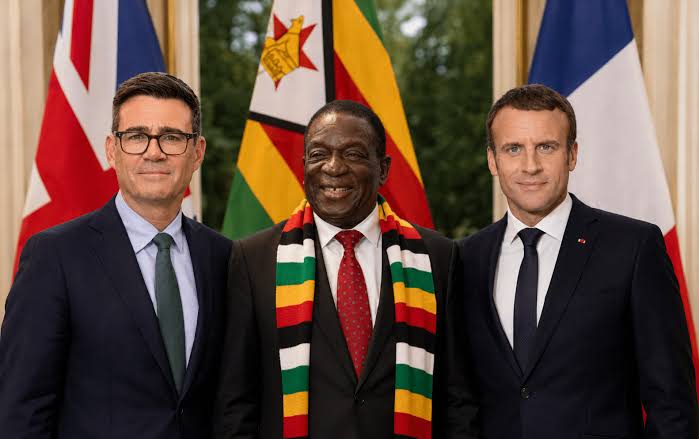
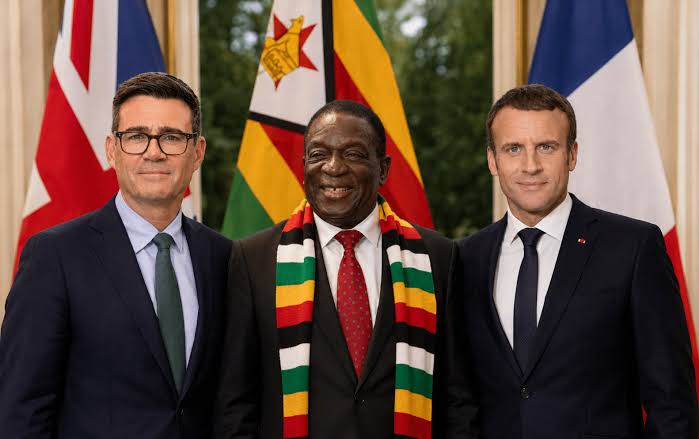
The two European powers will jointly chair Zimbabwe’s newly established Debt Consultative Group (DCG), a platform created to coordinate discussions between Harare, international creditors and development partners as the country works toward debt clearance and economic recovery.

The move marks one of the clearest signs yet that Western governments are willing to re-engage with Zimbabwe after more than two decades of strained relations, sanctions and economic isolation.

The Debt Consultative Group forms part of Zimbabwe’s broader Structured Dialogue Platform, an initiative designed to bring together government officials, creditors, multilateral lenders and development partners to negotiate a path out of the country’s debt crisis.

Its responsibilities will include supporting debt restructuring efforts, monitoring economic reforms and helping Zimbabwe implement the International Monetary Fund’s Staff-Monitored Programme (SMP)—a key requirement if the country hopes to regain access to international financing.
Although the Staff-Monitored Programme does not provide Zimbabwe with new IMF funding, it serves as a policy framework through which the IMF assesses whether the country is implementing credible economic reforms. Successful completion is widely viewed as a critical step toward unlocking future financial support from institutions such as the IMF, the World Bank and the African Development Bank.

Zimbabwe’s debt burden has remained one of the country’s biggest economic obstacles.Years of unpaid arrears have prevented Harare from accessing concessional loans from major international lenders, leaving the government with limited options for financing infrastructure, public services and long-term development.
The country’s financial isolation dates back to the early 2000s.
Following Zimbabwe’s fast-track land reform programme under former President Robert Mugabe, relations with many Western countries deteriorated sharply. The United States, the European Union and several of their allies imposed sanctions, citing allegations of human rights abuses, disputed elections and concerns over governance.
At the same time, Zimbabwe accumulated billions of dollars in unpaid obligations to international financial institutions, eventually falling into arrears with the World Bank, the African Development Bank and the IMF.
Those arrears effectively closed the door to fresh international lending, forcing Zimbabwe to rely heavily on domestic borrowing and alternative financing arrangements while battling recurring economic crises, high inflation and currency instability.
Since taking office in 2017, President Emmerson Mnangagwa has repeatedly pledged to repair relations with international creditors and restore Zimbabwe’s standing within the global financial community.
His administration has embarked on a debt clearance strategy centred on fiscal reforms, improved public financial management and dialogue with international partners.
The appointment of the United Kingdom and France to co-chair the Debt Consultative Group is expected to add diplomatic weight and technical expertise to that process. Zimbabwe’s Finance Ministry described the development as an important milestone in rebuilding trust between the country and its creditors.
Officials believe the partnership could strengthen confidence among investors, demonstrate Zimbabwe’s commitment to economic reform and accelerate efforts to reintegrate the country into the global financial system.
If the reform programme succeeds, Zimbabwe could eventually regain access to much-needed concessional financing from international lenders, opening the door to greater investment in infrastructure, healthcare, education and economic development.
However, major hurdles remain. Zimbabwe will still need to convince creditors that its reform agenda is credible, maintain macroeconomic stability and continue addressing governance concerns before debt restructuring can be fully completed.
For now, though, Harare has gained two influential partners in London and Paris.
After years of diplomatic distance and financial isolation, the involvement of the United Kingdom and France signals that Zimbabwe’s push to resolve its debt crisis is beginning to attract renewed international backing—and could mark the start of a new chapter in the country’s relationship with global financial institutions.
RELATED: