Faith Nyasuguta

Travelling to the United States may soon become significantly more expensive for thousands of Africans.
The U.S. government has officially made permanent a controversial visa bond programme that could require travellers from 50 countries—30 of them in Africa—to deposit up to $20,000 before receiving certain American visas.

Washington says the policy is designed to discourage visitors from overstaying their visas. Critics, however, argue that it unfairly targets developing nations and risks turning international travel into a privilege reserved for the wealthy.

The new rule took effect on August 3, 2026, following the conclusion of a year-long pilot programme launched in 2025.

It applies to applicants seeking B-1 business visas and B-2 tourist visas, the categories used by millions of people travelling to the United States for business meetings, conferences, holidays, family visits and medical treatment. Unlike a visa fee, the bond functions as a financial guarantee.
Under the policy, a U.S. consular officer may require an applicant to pay a refundable security deposit before issuing a visa. If the traveller complies with the conditions of their stay and leaves the United States on time, the money is returned.

However, if the traveller overstays, violates immigration rules or breaches visa conditions, the U.S. government can seize the entire amount. The programme dramatically raises the financial stakes.
During the pilot phase, applicants could be asked to post bonds of $5,000, $10,000 or $15,000.
Under the permanent policy, the $5,000 tier has been eliminated, while the $10,000 and $15,000 options remain. A new maximum bond of $20,000 has also been introduced, giving consular officers greater discretion depending on an applicant’s perceived immigration risk.
Africa is expected to feel the impact more than any other region.
Of the 50 countries covered by the programme, 30 are African, including Uganda, Ethiopia, Mozambique and Zimbabwe.
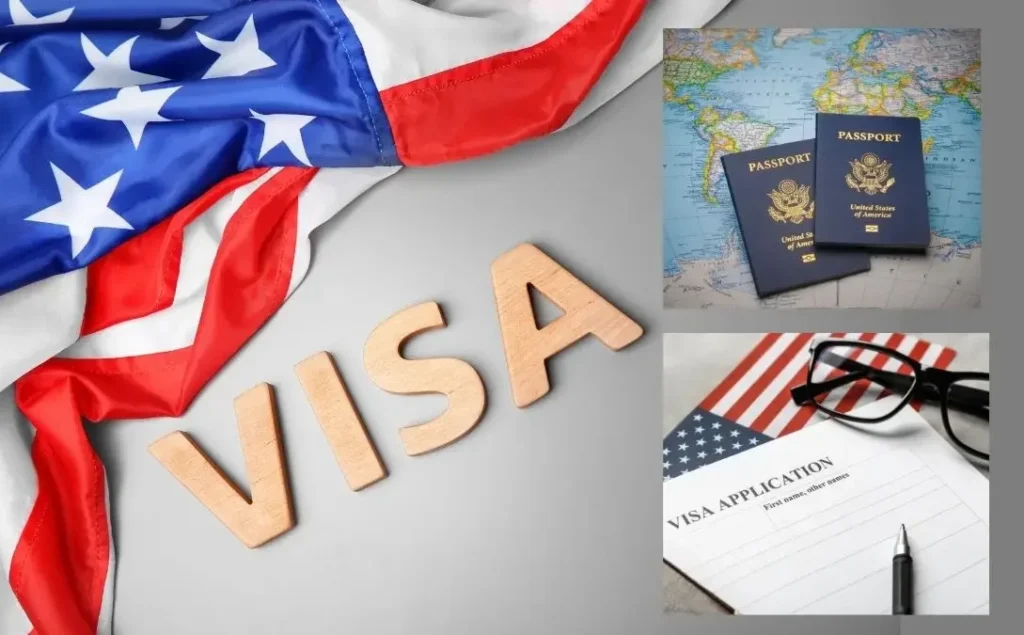
Applicants from these countries may now be asked to provide the financial guarantee before receiving permission to travel, although officials stress that the requirement will not automatically apply to every applicant.
Instead, consular officers will decide on a case-by-case basis, taking into account factors such as previous travel history, immigration records and the likelihood that the visitor will return home after their trip. The U.S. Department of State argues that the programme is aimed at addressing visa overstays, which it says place pressure on the country’s immigration system.
Officials say data gathered during the pilot phase showed that travellers required to post bonds were more likely to comply with visa conditions and depart before their visas expired.
For Washington, the bond programme is another tool intended to strengthen immigration enforcement without introducing a blanket ban on visitors from high-risk countries.
But outside the United States, the policy has generated significant concern.
Immigration experts argue that requiring deposits worth tens of thousands of dollars creates a financial barrier that many ordinary travellers simply cannot overcome.
Business owners, students’ families, tourists and patients seeking specialised medical treatment could all find themselves priced out of travelling to the United States—not because they were denied visas, but because they cannot afford the security deposit.
Tourism and travel industry observers have also questioned whether the programme could discourage legitimate visitors whose spending supports hotels, restaurants, airlines and local businesses across the United States.
For African entrepreneurs, the timing is particularly significant.
As more African startups, investors and business leaders seek partnerships in global markets, additional financial hurdles could make attending conferences, investment forums and trade meetings in the United States increasingly difficult.
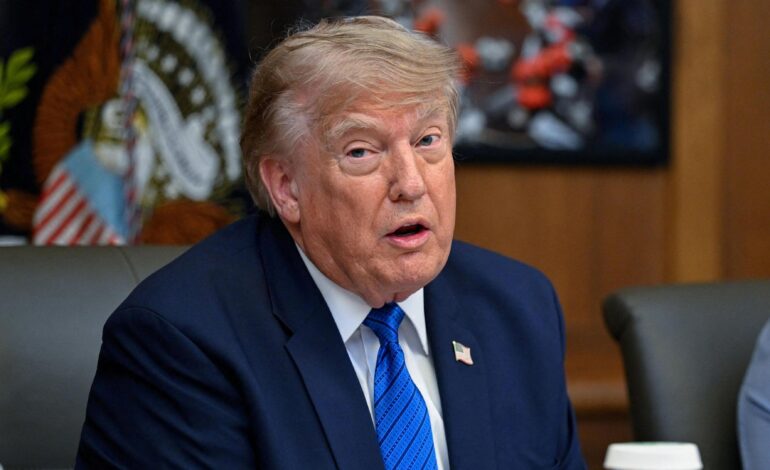
The policy also arrives amid broader changes to U.S. immigration and visa procedures under President Donald Trump’s administration, which has placed greater emphasis on border security, immigration enforcement and reducing visa abuse.
Supporters argue that countries with high visa overstay rates should expect stricter screening measures. Critics counter that the programme risks reinforcing perceptions that travellers from poorer nations are viewed with greater suspicion than those from wealthier countries.
For now, the visa bond programme is no longer an experiment—it is official U.S. policy. Whether it succeeds in reducing overstays without discouraging genuine visitors remains to be seen.
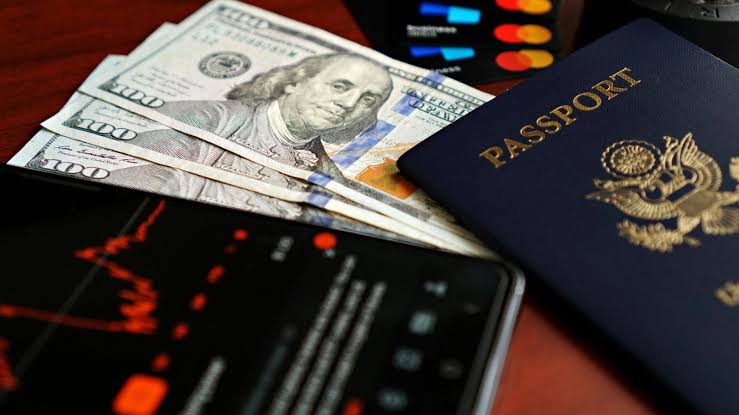
For many Africans hoping to visit the United States, however, the message is becoming increasingly clear: obtaining a visa may now require not only convincing immigration officials, but also proving they can afford to leave.
RELATED: