Wayne Lumbasi

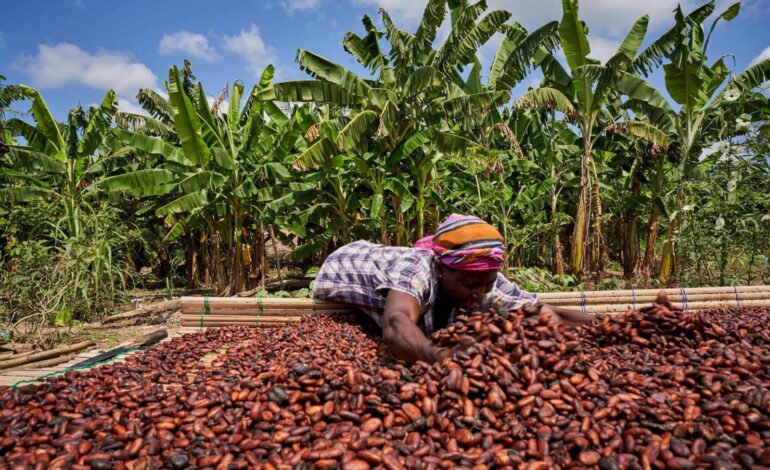
Ghana’s Parliament has passed a landmark protection bill that imposes strict criminal penalties, including prison terms of up to 20 years, for anyone who converts or destroys cocoa farms without prior government authorization. Passed in late July 2026, the legislation officially designates all cocoa farms as protected national assets in an aggressive attempt to halt the rapid loss of agricultural land. The measure now awaits presidential assent before becoming enforceable law across the country.
The primary driver behind the sweeping mandate is the widespread proliferation of illegal gold mining, locally known as galamsey. These unregulated mining operations have devastated vast stretches of the Ghanaian countryside, polluting vital water tables, strip-mining topsoil, and destroying thousands of hectares of productive cocoa trees. Under the newly passed framework, clearing cocoa acreage for gold extraction carries the bill’s harshest consequences, subjecting offenders to mandatory prison sentences ranging from 10 to 20 years alongside heavy per-tree financial penalties.

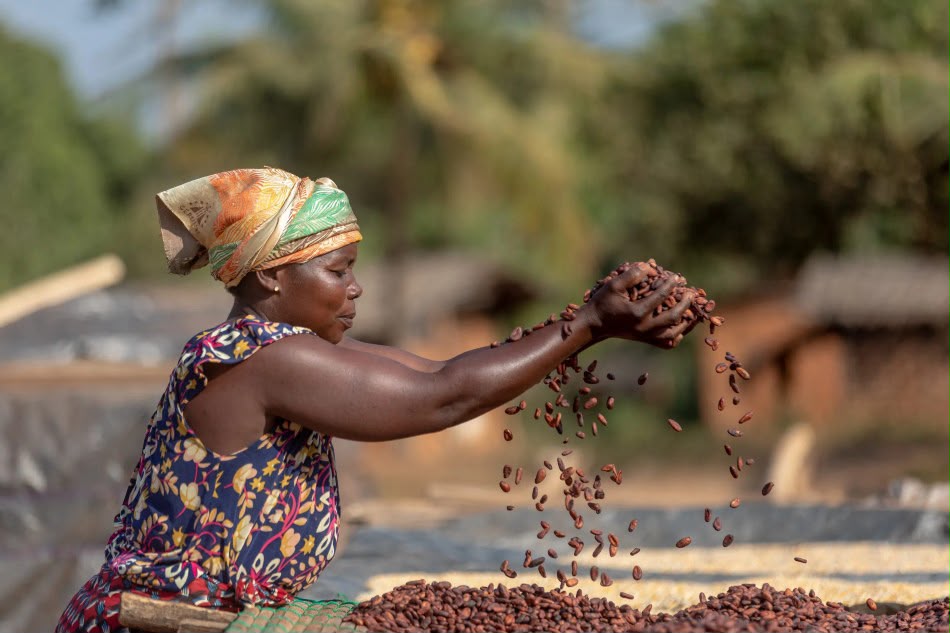
Despite the government’s focus on environmental preservation and national security, the legislation has drawn sharp criticism from smallholder farmers who feel caught in the crossfire. Representatives from agricultural organizations, such as the Ghana Cooperative Cocoa Farmers and Marketing Association, contend that criminalizing land conversion without providing financial relief places an unfair burden on rural landowners. Smallholders often invest significant personal capital into clearing and cultivating land with minimal state subsidies, making alternative land uses or temporary sales an essential safety net when crop yields fail or input costs rise.

The economic stakes surrounding the law are immense for Ghana, which stands as the world’s second-largest cocoa exporter behind neighboring Ivory Coast. Cocoa accounts for roughly 15% of the country’s total export earnings, making the crop central to national fiscal stability and foreign currency reserves. While volatile global commodity markets and fixed domestic farmgate prices have tempted some growers to exit the industry, state officials maintain that radical legislative protection is the only remaining barrier against the permanent destruction of Ghana’s agricultural foundation.
RELATED: