Faith Nyasuguta

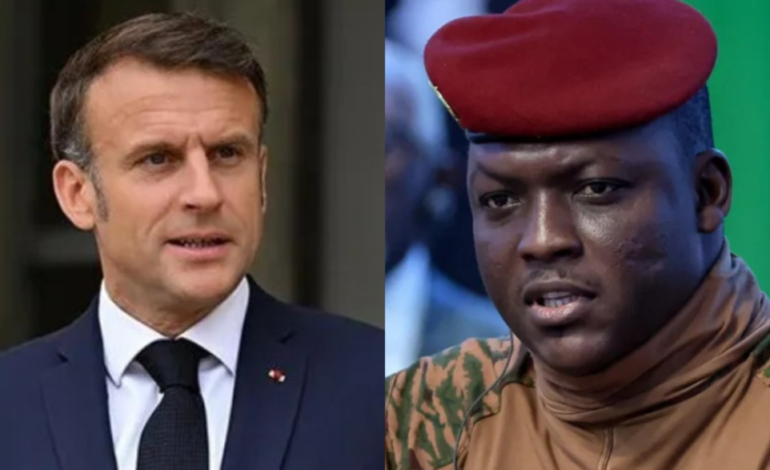
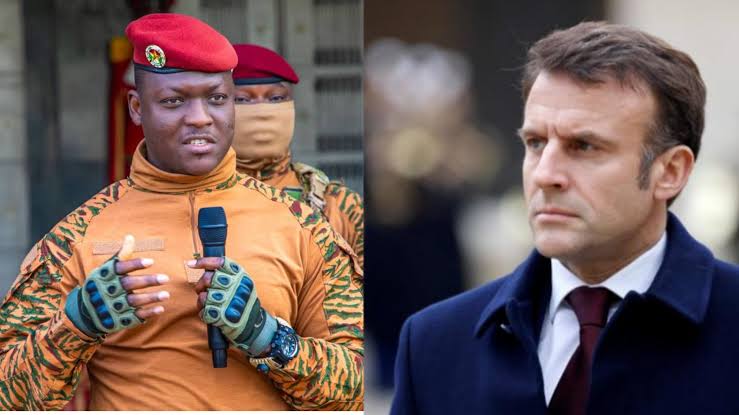
France has withdrawn all of its diplomats from Burkina Faso after the West African nation formally severed diplomatic relations with Paris, marking one of the most dramatic breaks yet in the rapidly collapsing relationship between the two countries.
According to French authorities, all French diplomatic personnel stationed in Burkina Faso have now returned to France, while Burkina Faso’s diplomats posted in France were required to leave French territory by Monday evening. The reciprocal withdrawals effectively bring official diplomatic engagement between the two governments to a halt.

The crisis began on June 26 when Burkina Faso’s government announced it was immediately cutting diplomatic ties with France following what it described as a comprehensive review of bilateral relations. In an official statement, authorities argued that the foundations necessary for healthy relations—including mutual respect, reciprocal trust, non-interference in domestic affairs, and respect for national sovereignty—no longer existed.

The government, led by Captain Ibrahim Traore, said the decision reflects Burkina Faso’s determination to pursue an independent foreign policy while expanding partnerships beyond its traditional allies. Officials emphasized that the move targets only the institutional relationship between the two states and should not be interpreted as hostility toward the French people or the historical, cultural, and social ties shared by both nations.

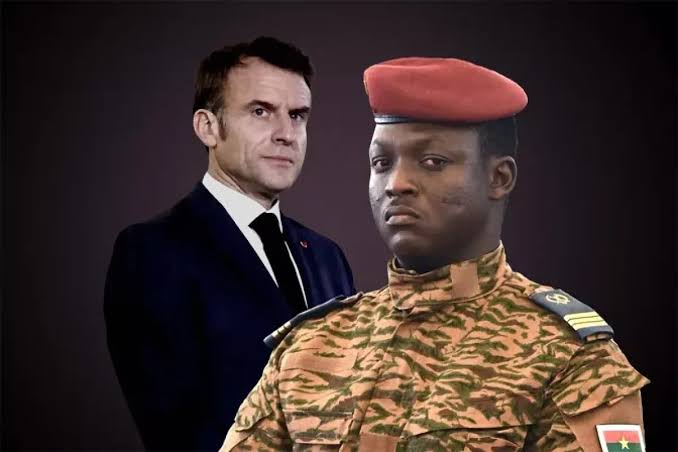
Burkina Faso also reaffirmed its commitment to protecting French nationals and other expatriates living within its borders, urging citizens to exercise restraint and responsibility despite the diplomatic fallout.
France, however, rejected Burkina Faso’s justification, describing the decision as “hostile and unfounded.” The French Foreign Ministry expressed regret, saying the move reflects what it considers the increasingly concerning direction of Burkina Faso’s authorities.

The diplomatic rupture is the latest chapter in a broader geopolitical realignment unfolding across the Sahel. Since Captain Traore came to power in 2022, Burkina Faso has steadily dismantled France’s longstanding influence by expelling French military forces, ending defence cooperation agreements, reducing French diplomatic presence, and strengthening relations with fellow military-led governments in Mali and Niger.
Together with Mali and Niger, Burkina Faso formed the Alliance of Sahel States (AES), a regional bloc that has pledged deeper political, military, and economic cooperation while distancing itself from French influence and, more recently, from ECOWAS. The three governments have consistently argued that they are reclaiming sovereignty after decades of what they describe as foreign interference in their internal affairs.
For many observers, the complete breakdown of diplomatic relations between France and Burkina Faso symbolizes a much larger shift taking place across parts of West Africa. Former French allies are increasingly redefining their foreign policy priorities, diversifying international partnerships, and asserting greater control over their political and security decisions.
Whether the diplomatic split remains permanent or eventually gives way to renewed engagement, it represents another significant milestone in the changing balance of power between France and its former colonies in the Sahel.
RELATED: