Thirsty Cities: Why African Urban Areas Are Running Out of Water
Njoki Kangethe
At around three o’clock in the morning, while much of the city is asleep, some families in African cities begin their day.

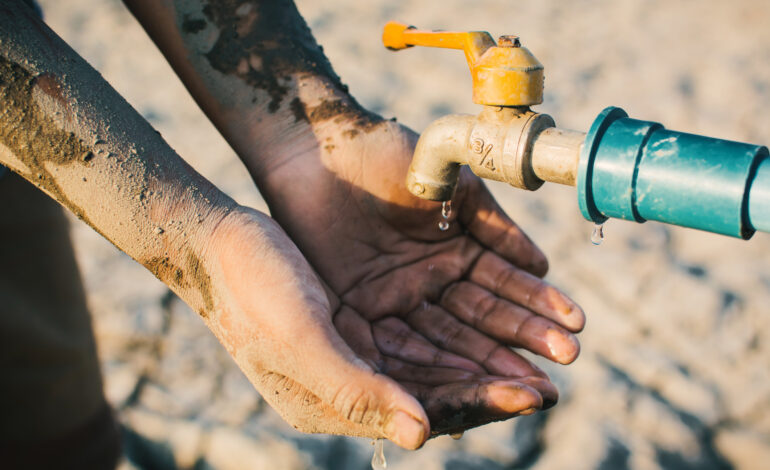
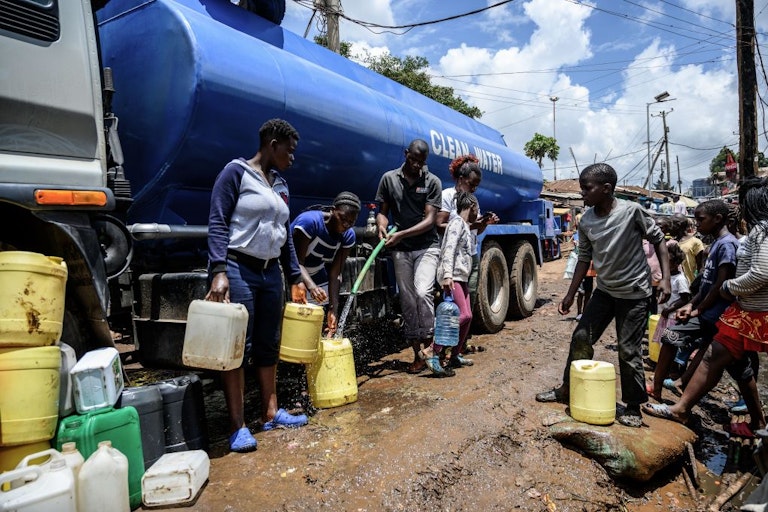
Plastic drums scrape against pavements. Metal gates creak open. Sleepy children stumble outside carrying yellow jerricans almost as large as their torsos. Somewhere down the road, a water tanker has arrived, and word spreads quickly because nobody knows how long the supply will last. In many urban neighborhoods across Africa, water arrives through rumor, timing, improvisation, and luck. And increasingly, cities are struggling to keep up.

Across the continent, rapid urbanization, population growth, aging infrastructure, and climate pressure are colliding to create a growing urban water crisis. African cities are expanding faster than many governments can build pipelines, treatment plants, drainage systems, and reservoirs. Millions of people are moving into urban areas every year in search of opportunity, but basic infrastructure is often failing to grow at the same pace.

The result is a contradiction visible across the continent: modern skylines rising beside dry taps.
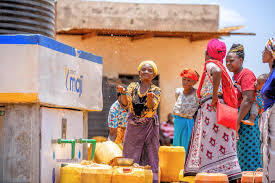
In Nairobi, entire neighborhoods routinely experience water rationing. In wealthier areas, households often respond by drilling private boreholes or installing large storage tanks. In lower-income communities and informal settlements, residents may spend hours searching for affordable water or buying it from vendors at significantly inflated prices.

In some parts of the city, families organize their routines around expected water schedules. Laundry days, bathing, cooking, and cleaning are all planned according to whether water is likely to flow that week. The inequality becomes even more visible during shortages. Those with money can purchase alternatives. Those without it wait.
This pattern repeats itself across many African cities. In Lagos, water tankers weave through heavy traffic delivering water to homes, businesses, and estates that cannot rely on public supply systems. Private borehole drilling has become so common that groundwater depletion is emerging as a growing concern.
Meanwhile, in densely populated informal settlements, access to safe water often depends on informal vendors and communal taps. The irony is difficult to ignore: some of the poorest households end up paying the highest prices per litre.
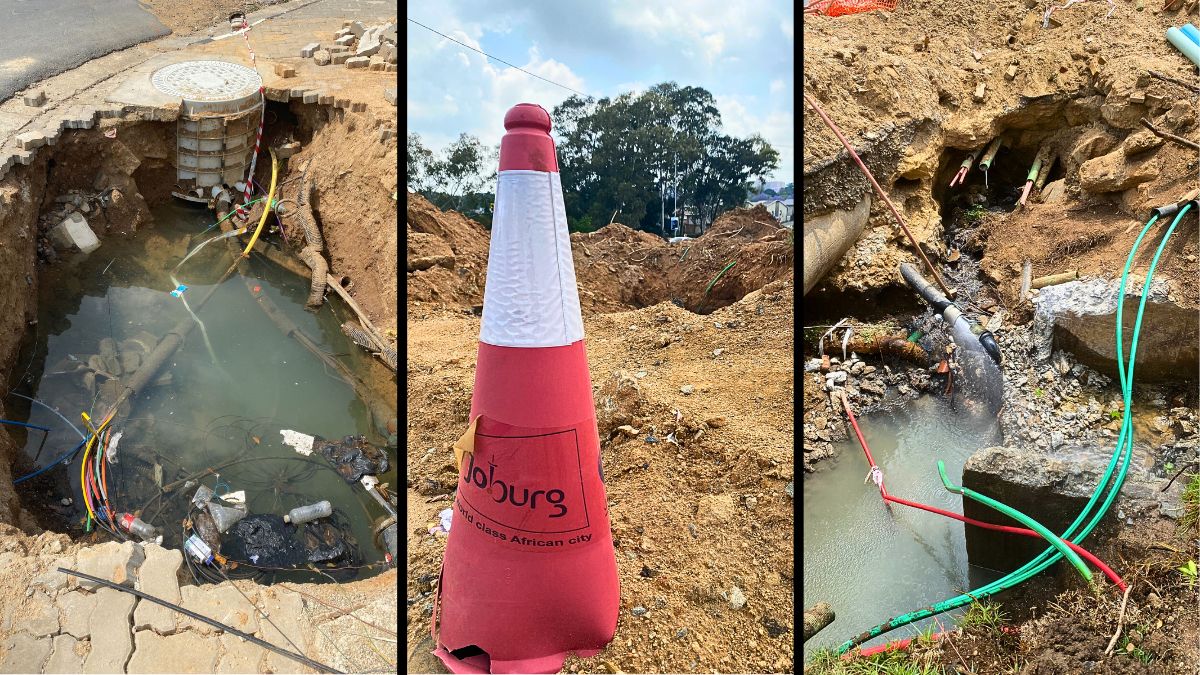
Part of the problem lies underground, hidden beneath the cities themselves. Many African urban water systems were originally designed decades ago for much smaller populations. Since then, cities have expanded dramatically, but infrastructure investment has not always kept pace. Aging pipes leak enormous amounts of treated water before it ever reaches consumers.
These losses are known as ‘non-revenue water’; water that is produced but never paid for because it leaks, is stolen, or disappears through faulty systems. In some African cities, non-revenue water losses exceed 40 percent. That means nearly half the treated water supply may never actually reach homes.
The consequences are enormous. Utilities lose revenue needed for maintenance and expansion. Water pressure drops. Supply interruptions become more common. Informal settlements are often the first to be underserved because they are poorly connected to formal infrastructure systems in the first place. For residents, the crisis becomes intensely personal.
It means waking up before dawn to queue for water.
It means children missing school to help fetch it.
It means storing water in unsafe conditions because there is no guarantee it will be available tomorrow.
Then there is climate change, which is making already fragile systems even more unstable. Periods of prolonged drought are becoming more frequent in parts of Africa, reducing reservoir levels and straining water supply systems. At the same time, intense flooding events are damaging infrastructure and contaminating water sources.
Few cities symbolize this tension more dramatically than Cape Town. In 2018, the city came dangerously close to ‘Day Zero’, the moment municipal taps were projected to run dry after years of severe drought. Residents were forced to drastically reduce consumption, and images of people queuing for water circulated globally. The crisis became a warning sign of how vulnerable even relatively developed urban systems can become under climate stress.
Elsewhere, in Harare, recurring water shortages and aging infrastructure have contributed to repeated public health concerns, including outbreaks linked to inadequate sanitation and contaminated water systems. Water insecurity, in many cases, is becoming a public health issue, an economic issue, and increasingly, a question of urban survival.
Yet despite these challenges, cities continue growing. Africa is urbanizing faster than any other continent. By 2050, the continent’s urban population is expected to more than double. This growth brings enormous opportunities: economic activity, innovation, cultural exchange… but it also places immense pressure on already stretched systems. And water sits at the center of all of it.
Without reliable water systems, cities struggle to support health care, sanitation, housing, industry, schools, and economic productivity. Informal settlements become more vulnerable to disease outbreaks. Women and children bear heavier burdens of water collection and household management. Inequality deepens because access increasingly depends on income.
The crisis is not just about scarcity. In many cases, water exists. The deeper issue is distribution, infrastructure, governance, and access.
Who receives reliable supply?
Who can afford alternatives?
Who is forced to wait?
These questions reveal that urban water crises are rarely purely environmental. They are also political and economic.One of the most striking things about water inequality is how quietly it shapes daily life.
Unlike dramatic disasters, water shortages often unfold gradually. Families adapt. Communities normalize waking up at odd hours. Children grow accustomed to carrying jerricans. Entire neighborhoods build routines around unpredictability. People survive. But survival should not be mistaken for sustainability.
As African cities continue expanding, the challenge will not simply be building more roads, apartments, or tech hubs. It will also mean confronting whether urban growth is being matched by investments in systems that allow ordinary people to live with dignity.
Because a city cannot truly thrive if millions of its residents remain thirsty. And increasingly, the future of African urban life may depend on who gets access to water, and who does not.
References
• UN-Habitat (2022). World Cities Report
• World Bank (2021). Water Supply and Sanitation in African Cities
• African Development Bank (2023). Urbanization and Infrastructure in Africa
• OECD (2022). Water Governance and Urban Inequality
• Reports on the 2018 Cape Town “Day Zero” water crisis.
RELATED: