Faith Nyasuguta

A leadership event involving the Somali community in South Africa has triggered renewed xenophobic tensions as anti-immigration groups intensify calls for foreign nationals to leave the country by June 30.
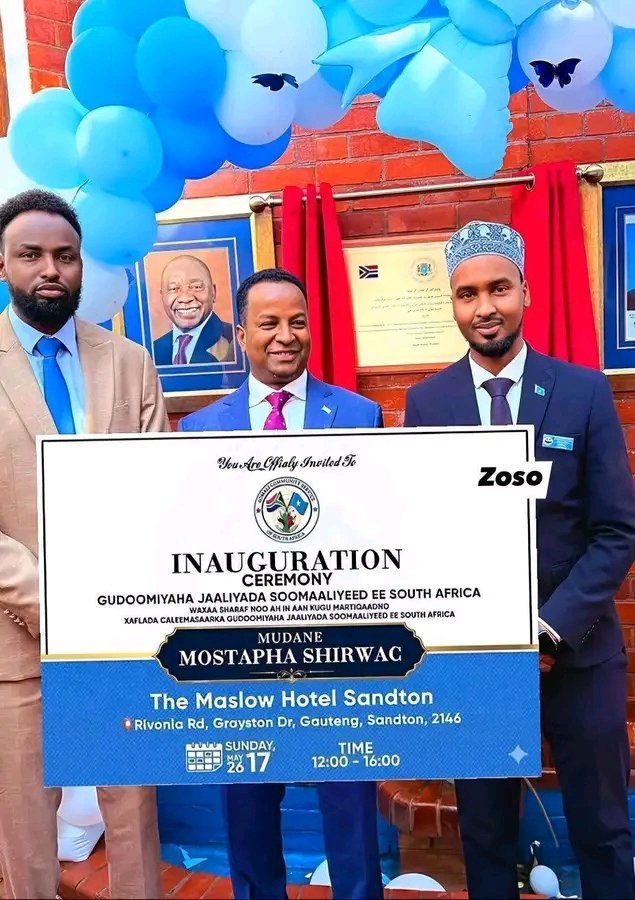
The controversy followed the inauguration of Mostapha Shirwac as chairperson of the Somali Community in South Africa during a gathering held at a hotel in Sandton, Johannesburg. While the event itself reportedly proceeded peacefully, public backlash quickly grew after images circulated allegedly showing the use of South Africa’s coat of arms alongside a portrait of President Cyril Ramaphosa.

Critics argued that the use of national symbols, together with terms such as “inauguration” and “installation,” created the impression of a state-like political ceremony, fuelling anger among sections of the public already frustrated by immigration tensions.

South Africa’s coat of arms is regarded as a symbol of national sovereignty and state authority, and the issue has now attracted government attention.

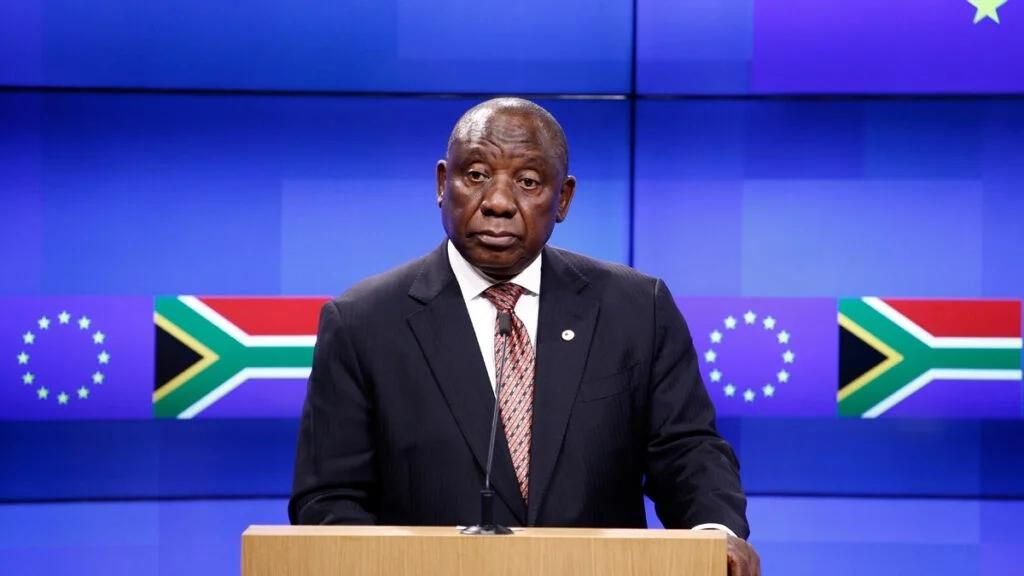
Minister of Sport, Arts and Culture Gayton McKenzie confirmed that the matter has been referred to the State Herald and the Bureau of Heraldry for formal investigation. Authorities are expected to present findings within ten working days, including whether any misuse of national symbols occurred and whether sanctions may follow.
The dispute comes at a highly sensitive moment in South Africa’s immigration debate. Groups such as Operation Dudula and March and March have escalated campaigns demanding that undocumented migrants leave the country by the June 30 deadline, with some activists also calling for stricter action against documented foreign nationals. The deadline has become a major flashpoint in ongoing tensions surrounding migration, unemployment, crime, and pressure on public services.

The situation has already been inflamed by earlier incidents, including protests in East London following the installation of a Nigerian Igbo community leader earlier this year.
South Africa hosts large migrant communities from across the continent, including an estimated 70,000 to 120,000 Somali nationals. Many Somali migrants operate spaza shops and small businesses in township economies, sectors that have increasingly become focal points of economic frustration and competition.
Somalia’s government also appeared to acknowledge the importance of the Johannesburg event. Earlier this year, a Somali delegation led by Deputy Foreign Affairs Minister Hassan Mohamed Ali visited South Africa to engage members of the Somali diaspora.
The latest controversy highlights how rapidly immigration-related tensions are escalating in South Africa as the June 30 deadline approaches, with fears growing that political rhetoric, economic pressure, and social frustration could further inflame xenophobic sentiment across the country.
RELATED: