Kimberly Mutandiro

Civil society groups, migrant activists, and migration-conscious South Africans are rising against xenophobia in the country.
Particularly in South Africa, xenophobia is the deep-seated hatred, discrimination, and violence directed toward African migrants from other nations. Xenophobia in this country, considered Africa’s major economy, is often triggered by economic competition for jobs, housing, and social services.

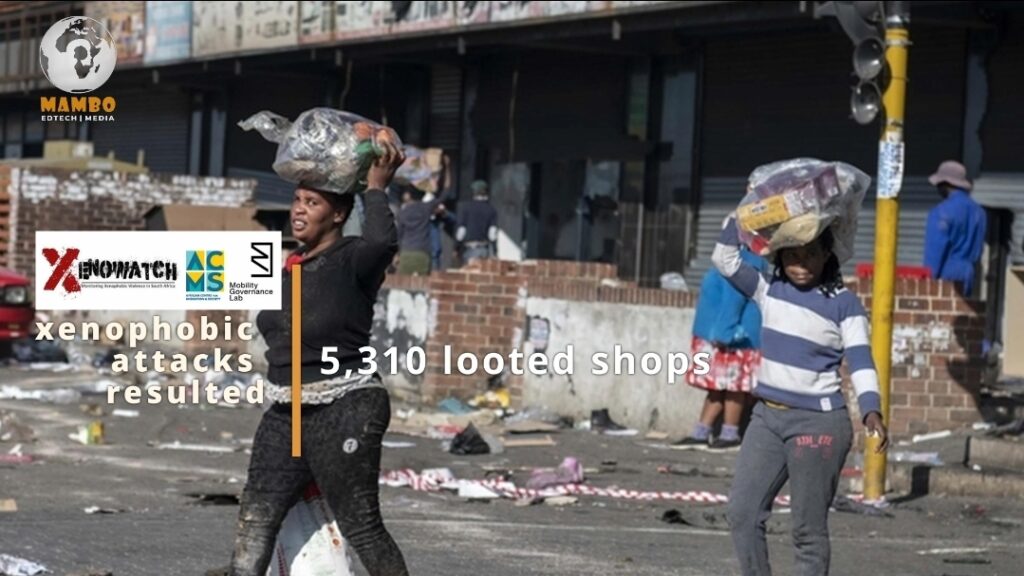
Worst-case scenarios have led to looting of migrant-owned businesses, harassment, attacks, and even death.

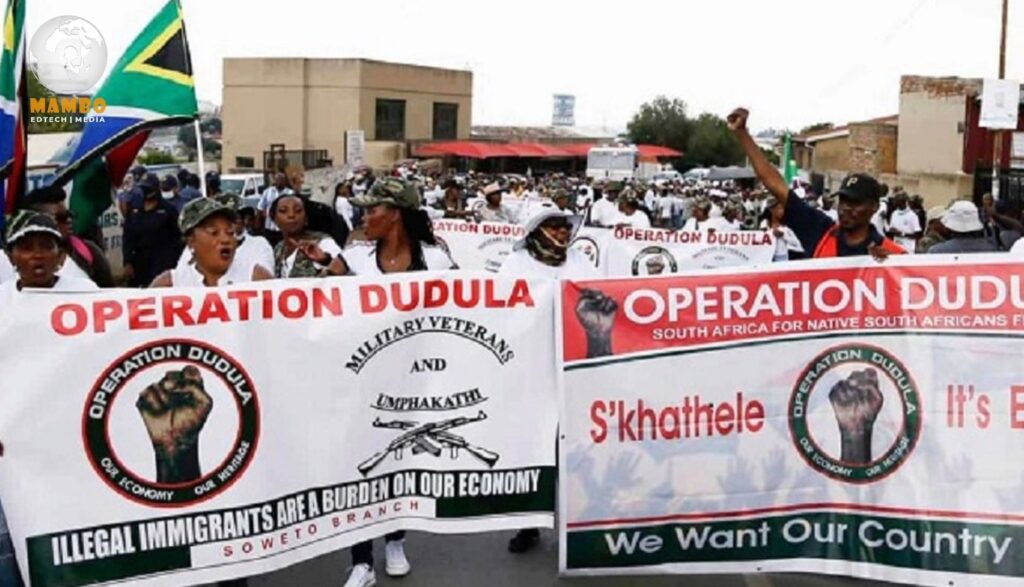
In recent years, vigilantism against migrants has been on the rise, with the emergence of groups such as Operation Dudula. Despite presenting itself as a civil society group during its debut years, the group has grown into a full-fledged political party. Its stance: blaming African migrants for stealing job opportunities and basic services meant for South African citizens. This hatred for migrants has turned out to be the ultimate political tool.

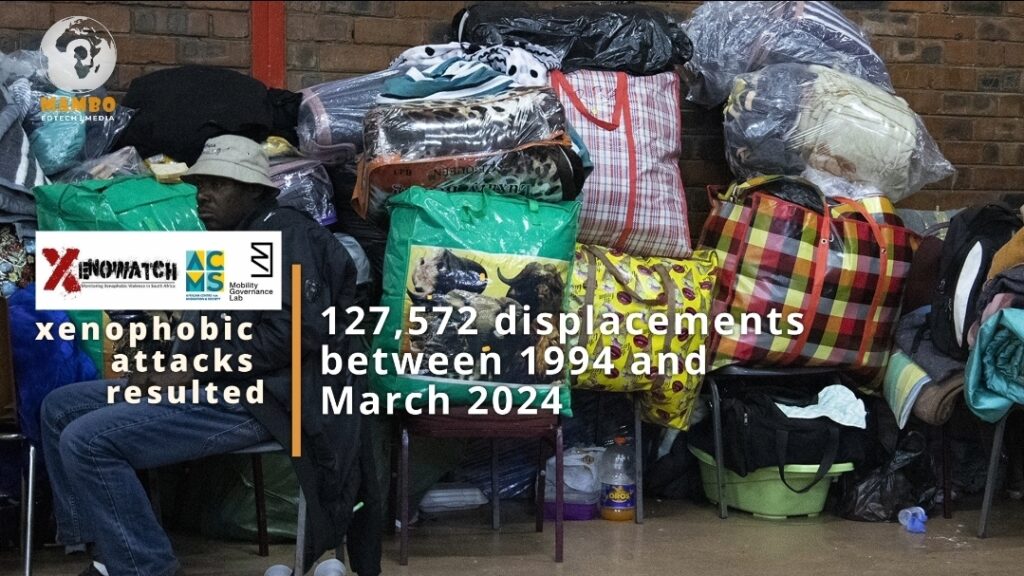
In May 2024, South Africa’s once-leading political party ANC lost majority rule; its political leaders too have institutionalized xenophobia by denying skilled migrants access to visas. Strategies have been formulated to deny migrants access to chronic medication such as ARVs. As a result, migrants in dire need of ARVs have defaulted from treatment, risking lives.
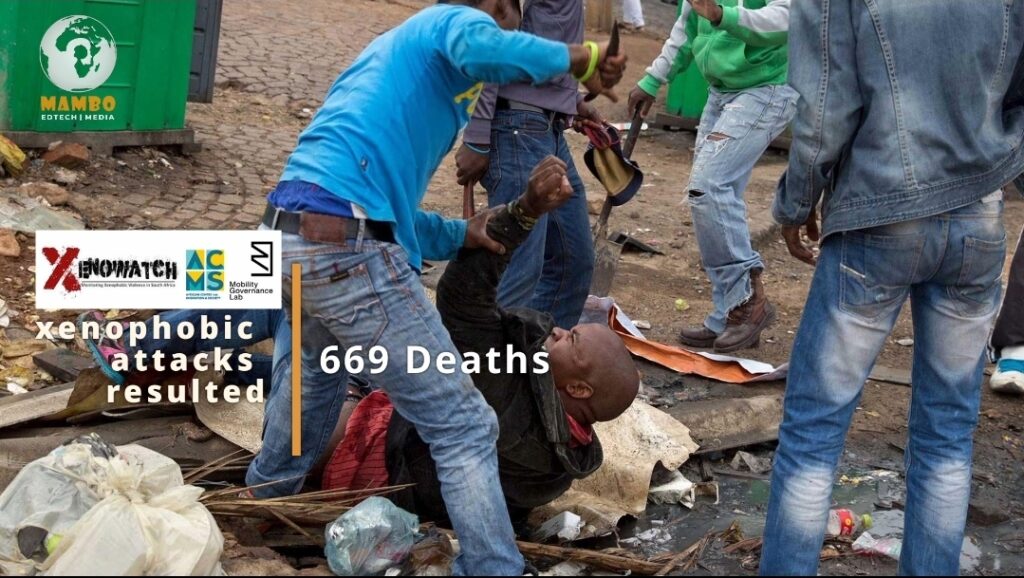
In recent months Operation Dudula has led protests at clinics, turning away migrants, and at companies around the country, demanding employment for South Africans. Authorities have done nothing to stop this act of vigilantism.

Fed up with this cruelty, Kopanang Africa Against Xenophobia, an organization that promotes the rights of migrants in South Africa, planned a solidarity march to call for an end to xenophobia and vigilantism in South Africa.
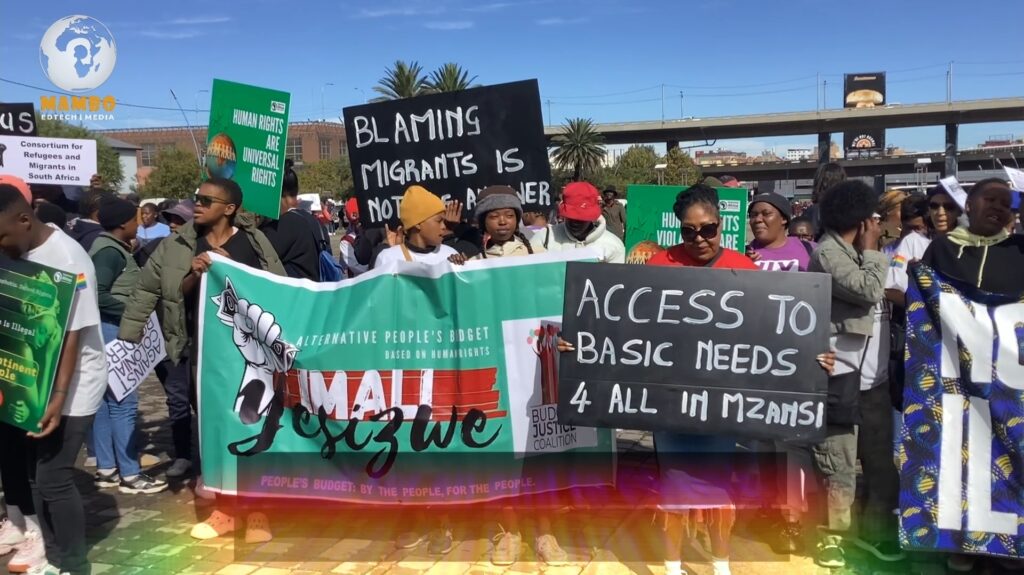
On April 18, close to 200 people met at the iconic Mary Fitzgerald Square in Johannesburg, preparing to march in solidarity for an end to corruption, xenophobia, and the scapegoating of migrants by politicians.
In South Africa, April is the freedom month as the country prepares to celebrate Freedom Day on 27 April. The march against xenophobia was a call for the freedom of oppressed migrants. Marchers chanted freedom songs as drums played in rhythm while they danced in solidarity, placards in hand.
“Say no to xenophobia,” “Africa for Africans,” “No person is illegal,” “Blaming migrants is not the answer,” “leave migrants alone…” Were messages written on placards.
The group proceeded to march across Joburg City to Constitutional Hill in Braamfontein, a place that is symbolic of justice and freedom. Solidarity messages were shared as activists called for an end to cruelty, denial of healthcare and vigilanteism.
Migrants from countries such as Malawi, Zimbabwe, and the DRC, among others, pleaded for inclusion,
- Access to visas, to be allowed to live in South Africa
- Freedom – A call to unity across African borders was made
- Structural changes to provide a social safety net for the most vulnerable were proposed.
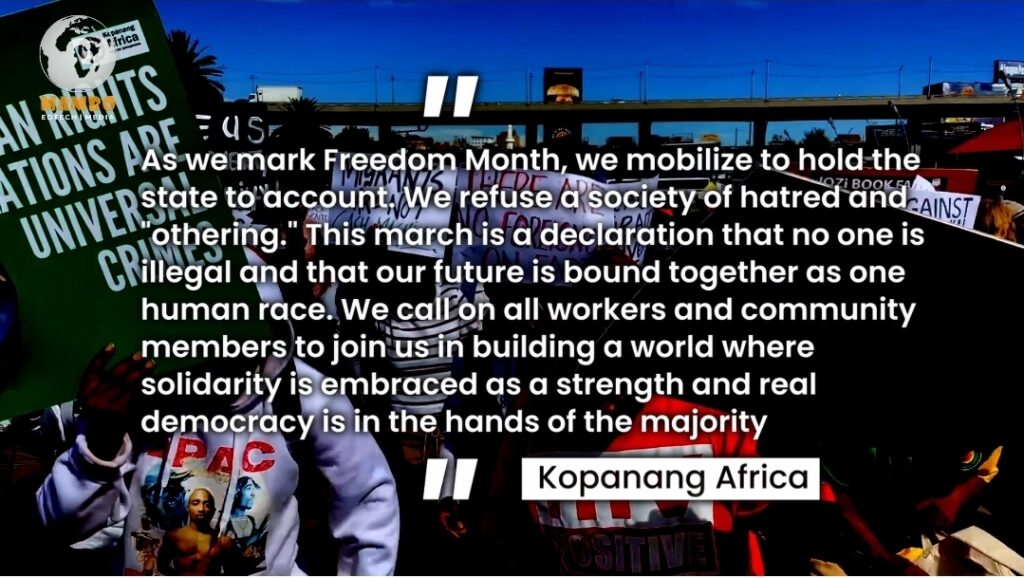
A solidarity message by Kopanang Africa Against Xenophobia read as follows: “As we mark Freedom Month, we mobilize to hold the state to account. We refuse a society of hatred and “othering.”
Accountability was called for on the part of the South African government. The question is, will the South African government respond in a positive light and put an end to years of brutal xenophobia in the country?
“This march is a declaration that no one is illegal and that our future is bound together as one human race. We call on all workers and community members to join us in building a world where solidarity is embraced as a strength and real democracy is in the hands of the majority.”
RELATED
MASS PROTESTS IN SOUTH AFRICA CALL FOR STRONGER BORDER CONTROLS, DEPORTATION OF UNDOCUMENTED MIGRANTS
SOUTH AFRICA ARRESTS OVER 1,100 UNDOCUMENTED MIGRANTS AT LIMPOPO BORDER