Wayne Lumbasi
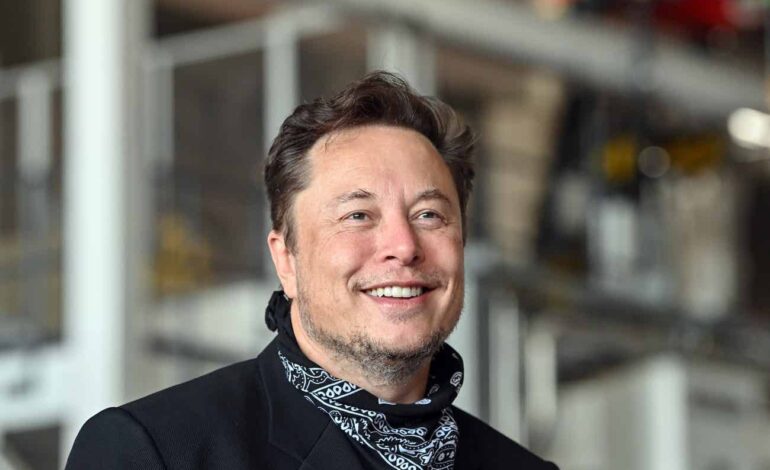
Billionaire entrepreneur Elon Musk has intensified a public dispute with South Africa, alleging that his satellite internet company Starlink is being denied an operating licence because of his race. The claims, made on his social media platform X, have sparked renewed debate over the country’s post-apartheid economic policies and their impact on foreign investment.
Musk stated that South African authorities were refusing to approve Starlink “simply because I am not Black,” and suggested that the company could secure approval if it complied with local ownership expectations. His remarks quickly drew international attention, given both his South African origins and Starlink’s growing importance as a provider of satellite-based internet services worldwide.

At the core of the dispute are South Africa’s Broad-Based Black Economic Empowerment (B-BBEE) regulations, introduced to address deep racial inequalities created during apartheid. Under existing telecommunications frameworks, companies are generally required to allocate a significant share of ownership to historically disadvantaged groups in order to qualify for licences. These rules apply broadly across the sector and are not specific to Starlink or its ownership.

South African officials have strongly rejected Musk’s accusations, insisting that licensing decisions are based on legal compliance rather than race. Government representatives maintain that any company, including Starlink, is free to operate in the country if it meets regulatory requirements, emphasizing that the same rules apply to both local and foreign firms.

The standoff comes as South Africa moves to adjust its policies in response to concerns from investors and industry players. Authorities have introduced reforms allowing foreign companies to meet empowerment requirements through so-called “equity equivalent” programmes, such as investing in infrastructure, supporting skills development, or funding initiatives that benefit disadvantaged communities, instead of transferring ownership stakes.
Despite these adjustments, Starlink remains unavailable in South Africa even as it expands across other parts of the continent. The company has already launched services in multiple African countries, helping to bridge connectivity gaps, particularly in rural and underserved areas where traditional broadband infrastructure is limited.

RELATED: