Faith Nyasuguta
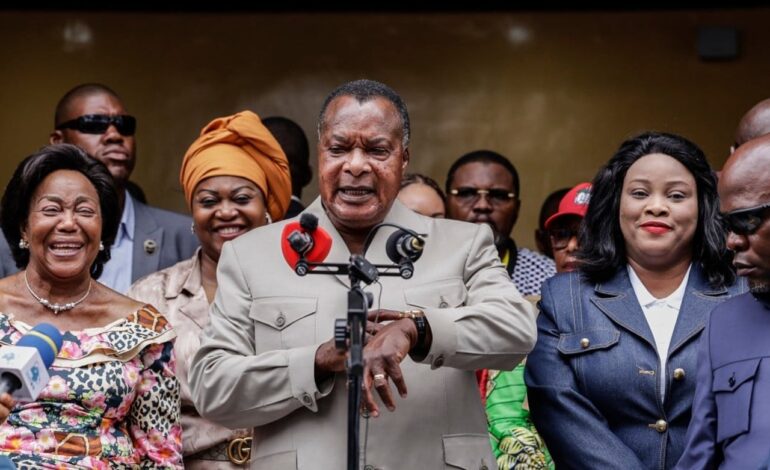
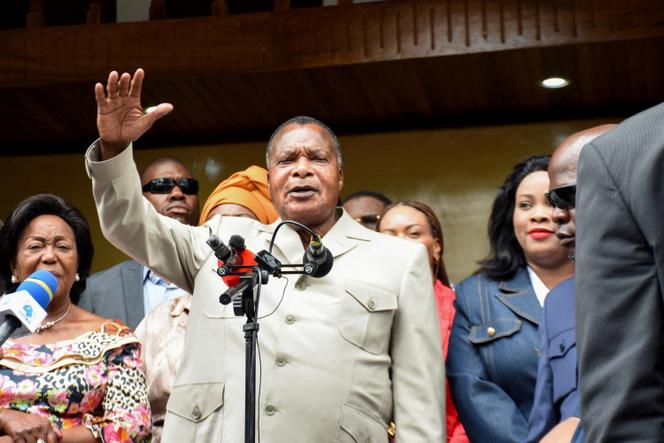
Denis Sassou N’Guesso has been declared the winner of the presidential election in the Republic of the Congo, extending his decades-long rule after provisional results gave him an overwhelming 94.82 percent of the vote.
The announcement, delivered by Interior Minister Raymond Zephirin Mboulou, secures the 82-year-old leader a fifth consecutive term. Officials reported a turnout of 84.65 percent, with about 2.6 million ballots cast.

However, scenes in the capital, Brazzaville, told a different story. Many polling stations saw low activity, with residents expressing little belief that the election would bring change. As in previous votes, authorities shut down the internet and restricted movement during the process.

Sassou N’Guesso, representing the Congolese Party of Labor, faced six challengers, though the contest was widely viewed as uneven. He was the only candidate to campaign extensively nationwide, with his presence dominating public spaces. Streets in Brazzaville were lined with his campaign posters, highlighting the gap between him and his opponents.
Two major opposition parties boycotted the election, citing concerns over fairness and transparency, further weakening the competitiveness of the race.
Sassou N’Guesso’s hold on power stretches back more than four decades. He first took office in 1979, stepped aside in 1992 after multiparty elections, and returned in 1997 following a brief civil war. A 2015 constitutional referendum removed age and term limits, allowing him to extend his rule.
His continued leadership comes as the country faces economic strain. According to the World Bank, public debt stands at around 94.5 percent of GDP, while more than half the population lives in poverty despite significant oil wealth.
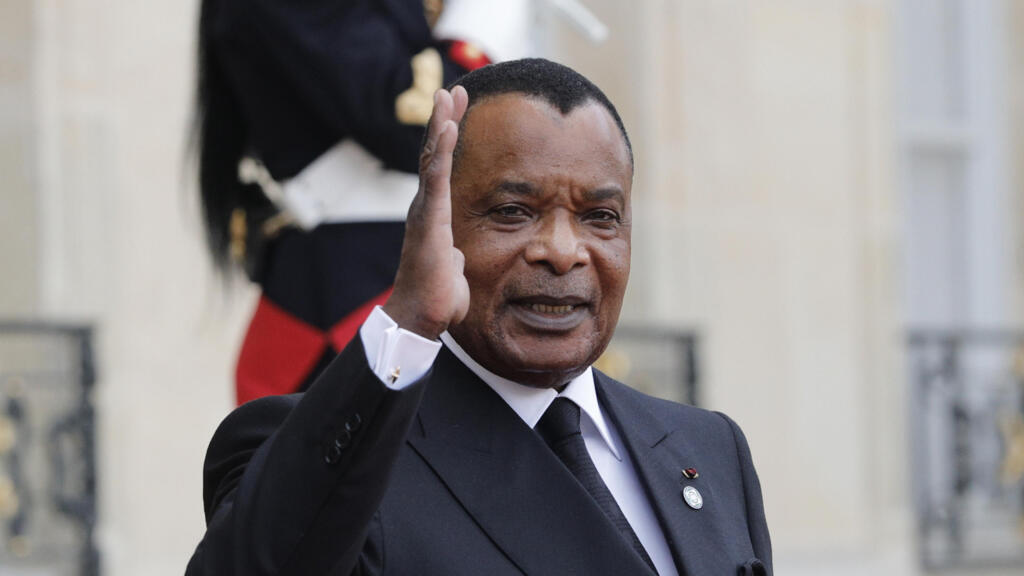
Now among Africa’s longest-serving leaders, Sassou N’Guesso joins figures like Paul Biya of Cameroon and Teodoro Obiang Nguema Mbasogo of Equatorial Guinea, highlighting a broader pattern of enduring leadership across the continent.
RELATED: