Wayne Lumbasi

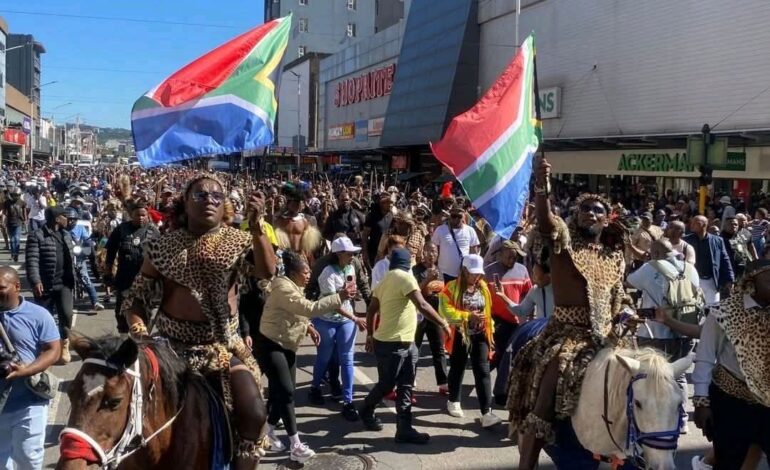
Thousands of demonstrators filled the streets of Durban, South Africa, this week in a large anti-immigration protest that reflected growing frustration over unemployment, crime, and economic hardship in the country. The march, organised mainly by the “March and March” movement alongside supporters of other anti-immigration groups, drew crowds carrying placards and chanting slogans demanding the deportation of undocumented foreign nationals and stricter enforcement of immigration laws.
The protest began at King Dinuzulu Park before moving through Durban’s central business district, including busy commercial areas such as the Point and South Beach precincts. Several businesses reportedly shut their doors as protesters marched through the city under heavy police presence. Demonstrators claimed undocumented migrants were operating businesses illegally, taking jobs from South Africans, and increasing pressure on already strained public services such as hospitals, schools, and housing.

The demonstration comes at a time when South Africa continues to face one of the highest unemployment rates in the world. Official figures have consistently placed unemployment above 30 percent, while youth unemployment remains significantly higher. Many protesters argued that ordinary South Africans are struggling to survive amid rising living costs, electricity shortages, poverty, and limited economic opportunities, while undocumented migration continues to grow.

During the march, protesters also raised concerns about crime and drug trafficking in parts of Durban. Some demonstrators accused undocumented migrants of being involved in illegal businesses and criminal networks operating in residential areas and informal settlements. Protest leaders further alleged that corruption within sections of law enforcement allows undocumented migrants and illegal operators to avoid arrest through bribery and fraudulent documentation.

One of the leading voices behind the protest was Jacinta Ngobese-Zuma, leader of the “March and March” movement, who called on the government to prioritise South African citizens. She argued that immigration must happen legally and insisted that authorities strengthen border security and accelerate deportations of undocumented migrants. Protesters also demanded stricter verification of immigration papers and tougher penalties for employers accused of hiring undocumented workers.
The Durban march is part of a wider wave of anti-immigration activism that has spread across South Africa in recent years. Groups such as Operation Dudula have gained national attention for organising campaigns against undocumented migrants in townships and urban centres. These groups argue that weak immigration controls have worsened unemployment and crime, especially in poorer communities where economic frustrations remain high.

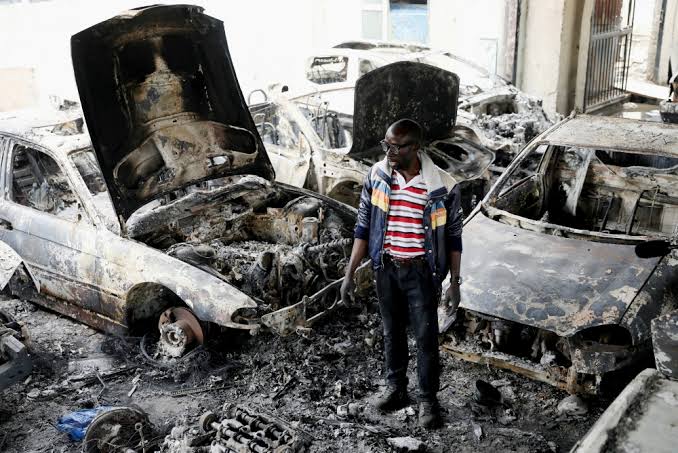
Human rights organisations and migrant advocacy groups, however, have warned that the protests risk fueling xenophobia and violence against foreign nationals. Activists argue that migrants are increasingly being blamed for broader economic and governance problems facing South Africa. Many foreign nationals living in Durban rejected accusations linking migrants to criminality, insisting that the majority of immigrants are law-abiding residents who contribute to local businesses and the economy.
South African authorities have attempted to balance citizens’ constitutional right to protest with growing concerns over xenophobic tensions. Police maintained a strong presence throughout the Durban demonstration and warned against violence or intimidation targeting foreign nationals. KwaZulu-Natal Police Commissioner Lieutenant General NhlanhlaMkhwanazi urged residents not to take the law into their own hands and encouraged communities to report undocumented migrants through legal channels.
The protests have also attracted attention across the African continent. Nigeria recently confirmed that dozens of its citizens living in South Africa had requested voluntary repatriation due to fears of rising anti-foreigner hostility. Other African governments and regional observers have expressed concern that escalating anti-immigration rhetoric could damage diplomatic relations and threaten regional unity within Africa.
RELATED: