Njoki Kangethe

PART 3: TECH CITIES AND THE PRICE OF PROGRESS: WHO GETS PUSHED OUT?
Gentrification in the African Urban Context

As tech cities rise across Africa, they bring with them a powerful promise: modern housing, improved infrastructure, new businesses, and economic opportunity. But alongside this growth, another quieter process is unfolding; one that is less often discussed in glossy project brochures. That process is gentrification.

Gentrification is the transformation of neighborhoods driven by an influx of wealthier residents and new investment, often resulting in higher property values and rising living costs. In African cities, the process may take a different shape than in Western contexts, but the outcome is similar: developments designed for middle- and upper-income groups can steadily drive up land prices, rent, and the overall cost of daily life in surrounding communities (UN-Habitat, 2020).

In rapidly urbanizing regions, tech cities can act as powerful economic magnets. As businesses move in and wealth concentrates, nearby communities may experience both opportunity and pressure. For some, development brings jobs and services. For others, it quietly pushes them out.
Housing and Rent Inflation: The Rising Cost of Living Near Opportunity

One of the earliest and most visible impacts of large-scale developments is the rapid increase in land and housing prices. As tech cities attract investment and attention, demand for nearby property rises. Developers, landlords, and speculators anticipate growth, and prices begin to climb.
For homeowners, rising property values can be seen as a benefit. But for renters and low-income families, the story is very different. Higher land values often translate into:
-Increased rent
-Higher property taxes
-Pressure to sell land
-Displacement from once-affordable neighborhoods
In areas surrounding major developments, the cost of housing can shift faster than local incomes can keep up. What was once an affordable place to live becomes out of reach for long-term residents.
Urban development research shows that infrastructure upgrades and economic hubs often trigger property market speculation, driving up prices even before projects are fully completed (World Bank, 2020). For young people, informal workers, and low-income families, this creates a growing gap between where opportunities are located and where they can afford to live.
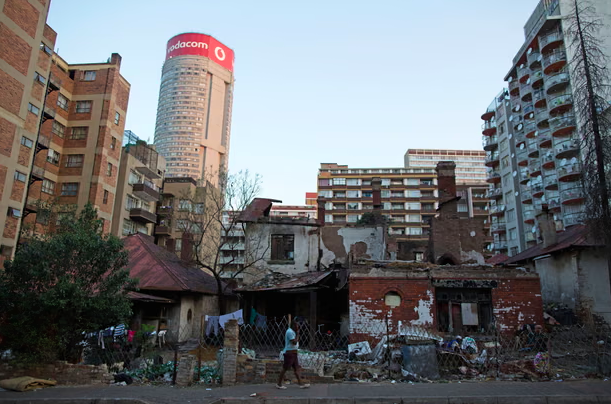
Food and Service Prices: When Everyday Life Gets More Expensive
Housing is only part of the story. As wealthier residents and professionals move into newly developed areas, the cost of everyday goods and services often rises too.
Small shops, food vendors, and local markets may begin adjusting prices to cater to new customers with higher purchasing power. Restaurants shift from low-cost meals to premium offerings. Informal traders may be replaced by formal businesses with higher overhead costs.
These changes can reshape local economies in subtle but powerful ways:
-Staple foods become more expensive
-Local markets become less accessible
-Informal vendors lose space or customers
-Daily expenses gradually increase
For families living on tight budgets, even small increases in the price of food, transport, or services can have a significant impact on their quality of life.
Urban economists note that when new developments bring in higher-income populations, the surrounding service economy often ‘upgrades’ to match new demand, but not always in ways that serve existing residents (African Development Bank, 2021).
Social Impacts: Changing Communities and Cultural Identity
Beyond economics, gentrification can reshape the social fabric of communities.
Long-standing neighborhoods often have strong social ties, shared histories, and informal support networks. When new developments bring in different income groups, lifestyles, and consumption patterns, these dynamics begin to shift.
Some of the changes can include:
-Loss of community cohesion
-Reduced access to public spaces (if there are any left)
-Cultural displacement
-A growing sense of exclusion among original residents
In some cases, residents begin to feel like outsiders in areas they have lived in for decades. Local gathering spaces may be replaced by private, gated environments. Community markets may give way to malls and commercial centers designed for different income groups.
This kind of transformation is not always sudden. It can unfold gradually, making it difficult to pinpoint the exact moment when a community starts to change.
Gentrification in African cities often happens alongside rapid urban expansion, making its effects more complex. It may not involve complete removal, but rather a slow economic squeeze that forces people to relocate over time (UN-Habitat, 2020).
Case Examples: Fumba Town and Tatu City
Developments like Fumba Town in Zanzibar and Tatu City in Kenya provide useful examples of how new urban projects can reshape surrounding areas.
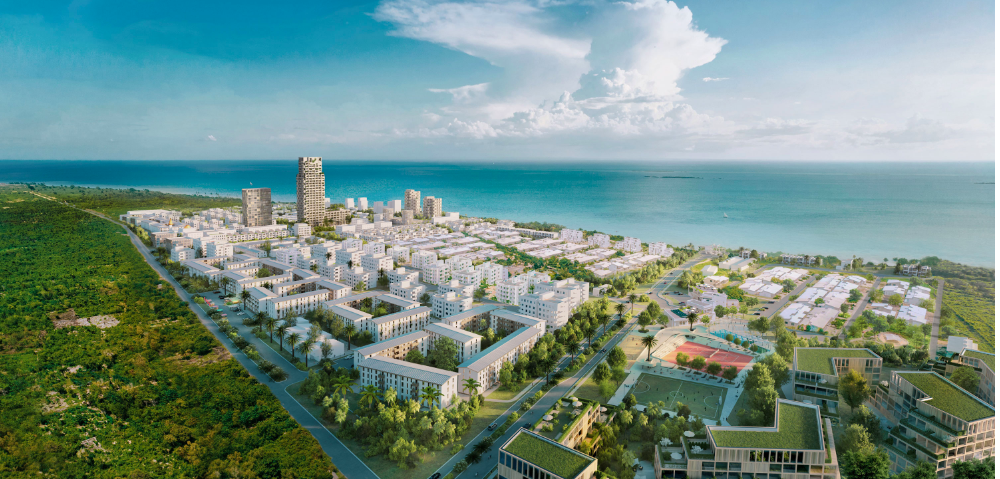
Fumba Town, often described as part of the ‘Silicon Zanzibar’vision, has been marketed as a sustainable, modern community designed to attract both locals and international residents. Its focus on planned housing, green spaces, and smart infrastructure represents a new model of urban living. However, such developments can also create price shifts in nearby areas, influencing land value and access to housing.
Tatu City, similarly, has attracted schools, businesses, and residential communities aimed at middle- and upper-income groups. As investment flows into these spaces, the surrounding regions can experience rising land prices and increased commercial activity.
While these projects bring opportunity, they also illustrate a broader trend: development tends to cluster wealth. And when wealth concentrates, affordability often becomes a challenge for those living nearby.
Conclusion: The Unequal Cost of Progress
Tech cities represent the future many African governments are working toward; connected, modern, and economically vibrant. They promise growth, investment, and new opportunities. But as these developments take shape, they also reshape who can afford to live, work, and participate in these spaces.
Rising housing costs, increasing prices for food and services, and gradual social shifts can quietly push lower-income residents further away from economic centers. The result is a pattern where the benefits of development may concentrate among those who already have resources, while others are left navigating higher costs and shrinking access.
This raises an important question: can tech-driven urban development be designed in ways that include existing communities rather than displacing them economically?
As the series continues, the focus will shift even further into the deeper structures behind these projects, examining who gains the most from tech cities, how power and opportunity are distributed, and whether these futuristic spaces risk becoming islands of prosperity in a sea of inequality.
References
African Development Bank. (2021). African Economic Outlook 2021: From Debt Resolution to Growth.
UN-Habitat. (2020). World Cities Report: The Value of Sustainable Urbanization.
World Bank. (2020). Cities and Economic Development in Africa: Building Competitive and Inclusive Urban Economies.
RELATED: