Faith Nyasuguta

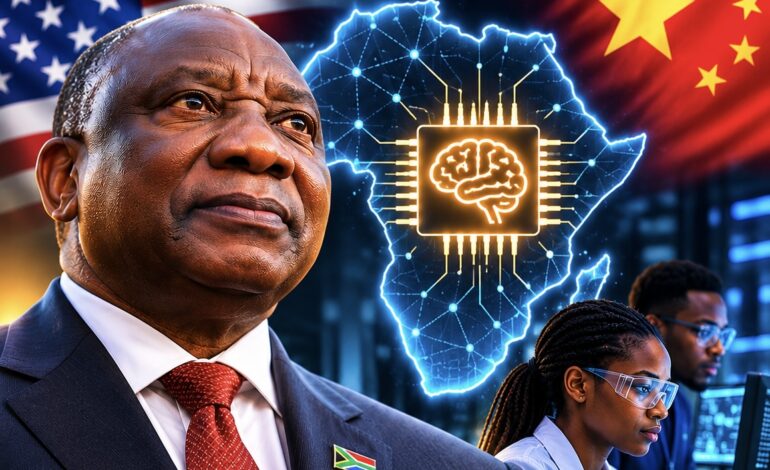
South Africa is stepping up its ambitions to become a significant player in the global artificial intelligence (AI) industry, announcing plans to establish a R100 million ($5.9 million) venture capital fund to support homegrown AI and technology start-ups.
President Cyril Ramaphosa announced the initiative following a working visit to Silicon Valley in the United States, where he led a delegation of nearly 300 government officials, entrepreneurs, researchers, academics and university students.

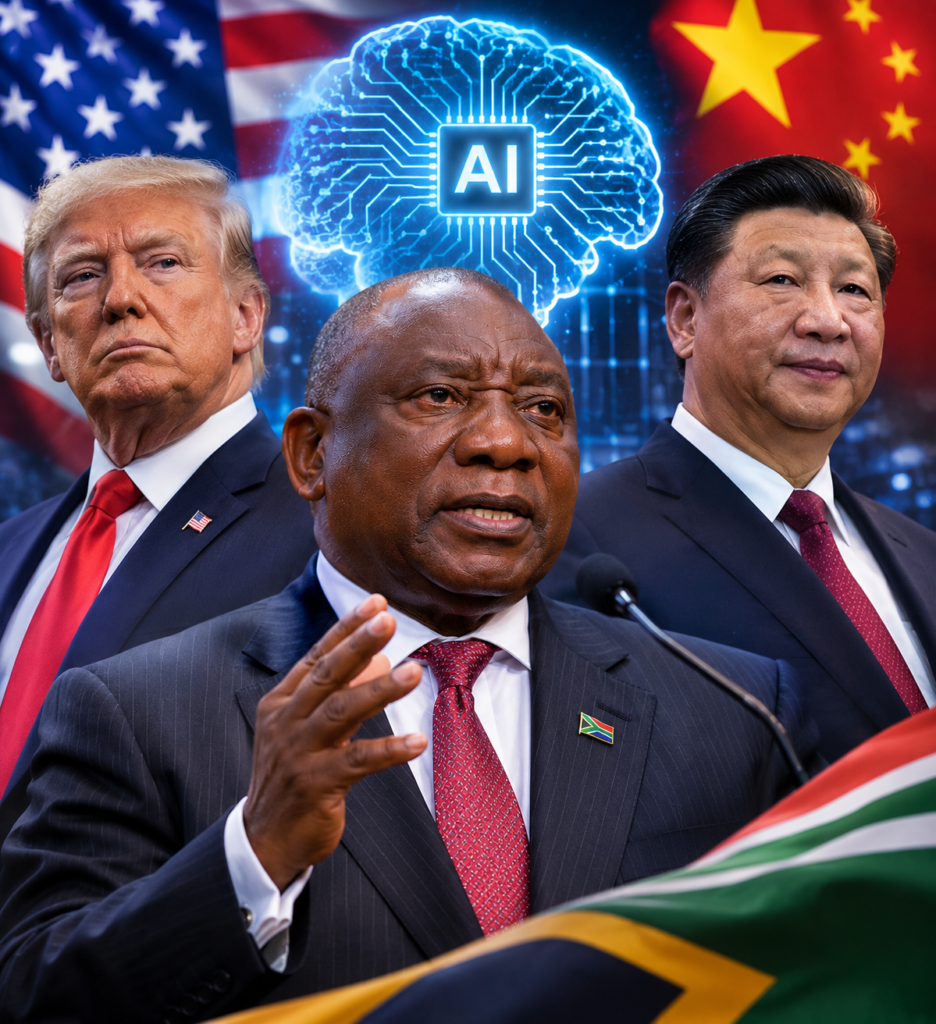
The initiative forms part of South Africa’s broader strategy to move beyond consuming foreign-developed technologies and become an active contributor to the global AI economy, currently dominated by major technological powers such as the United States and China.

Ramaphosa emphasised that South Africa must participate in developing emerging technologies rather than simply adopting innovations created elsewhere.

Investing in Homegrown Innovation
The proposed fund originated from a recommendation by South African technology investor Andile Ngcaba, executive chairman of Convergence Partners and founding partner of Solcon Capital.

Ngcaba pledged R25 million ($1.47 million), representing 25% of the proposed fund, conditional on participation from development finance institutions and other investment partners.
One of the fund’s primary objectives is to improve access to computing infrastructure, particularly graphics processing units (GPUs), which are essential for developing, training and operating advanced AI systems.
The high cost of accessing such infrastructure remains a significant obstacle for emerging technology companies, particularly in developing economies where entrepreneurs often struggle to secure sufficient capital.
By reducing these financial barriers, South Africa hopes to enable more local start-ups to develop commercially viable AI products capable of competing in international markets.
However, the fund’s management structure, eligibility requirements, application procedures and launch date have yet to be announced.
Building Africa’s AI Infrastructure
Beyond start-up financing, South Africa is seeking to attract international investment in data centres, cloud computing and other digital infrastructure necessary to support AI development.
According to Ramaphosa, South Africa already hosts more than 70% of Africa’s data centre capacity, positioning the country to potentially become a major continental hub for advanced computing.
During the Silicon Valley visit, the South African delegation engaged with global technology companies and investors to explore opportunities for expanding digital infrastructure and strengthening technological partnerships.
Developing domestic computing capacity could reduce reliance on overseas infrastructure, improve data sovereignty and create opportunities for African businesses to develop technologies tailored to regional needs.
Nevertheless, achieving these ambitions will require reliable electricity, affordable internet connectivity, substantial capital investment and greater access to advanced computing hardware.
A 90-Day National AI Action Plan
Ramaphosa has also committed to developing a comprehensive National Artificial Intelligence Action Plan within 90 days.
The plan will focus on four key priorities: improving public services through AI, attracting infrastructure investment, strengthening domestic technological capabilities and preparing for the economic and social disruptions associated with artificial intelligence.
The government intends to explore AI applications across healthcare, education and public administration while addressing concerns surrounding cybersecurity, employment displacement and digital inequality.
Skills development will be particularly important, with South Africa seeking to equip more young people with expertise in software engineering, machine learning and data science.
Locally developed AI systems could also improve digital accessibility by supporting African languages and addressing challenges that foreign-developed technologies may overlook.
Competing in a Multibillion-Dollar Industry
While the proposed $5.9 million fund represents an initial investment, it remains modest compared with the billions of dollars being committed to artificial intelligence by the world’s leading technology companies.
South Africa’s competitive opportunity may therefore lie in developing specialised AI solutions for sectors such as agriculture, mining, healthcare, financial services and education rather than immediately competing with global technology giants on infrastructure spending.
The initiative’s long-term success will depend on whether the country can mobilise additional investment, retain skilled professionals and create sustainable opportunities for local entrepreneurs.
For Africa, the challenge extends beyond accessing artificial intelligence. It involves building the capacity to develop, own and commercialise technologies that respond to the continent’s economic and social priorities.
Can South Africa transform its initial $5.9 million investment into a globally competitive AI ecosystem and inspire a new generation of African technology developers?
RELATED: