Faith Nyasuguta
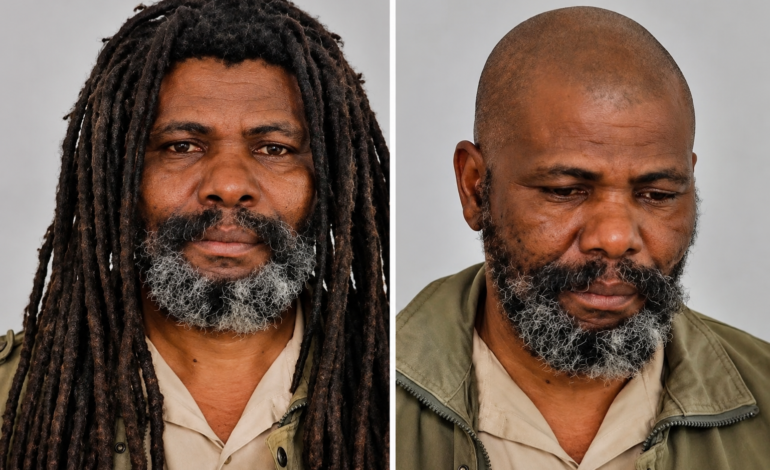
A Namibian Rastafarian is demanding nearly N$1.3 million (approximately US$77,700) in compensation after prison officers allegedly violated his religious freedom by cutting off dreadlocks he had grown for 20 years as part of a sacred spiritual vow.
Brian Jaftha, a Windhoek resident and president of the Rastafari United Front (RUF), argues that prison authorities stripped him of more than his hair. He says they violated his religious identity, dignity and constitutional rights.

The case is now before Namibia’s Windhoek High Court, where Jaftha testified on November 9, 2026, describing the emotional and spiritual consequences of the incident.

A 20-Year Religious Commitment Destroyed

Jaftha’s ordeal began on October 16, 2023, when he entered Windhoek Correctional Facility after being convicted of dealing in cannabis. He had been sentenced to two years in prison.
Upon arrival, correctional officers ordered him to cut his dreadlocks, which he had maintained for approximately two decades. Jaftha objected, explaining that his Rastafarian beliefs prohibited him from cutting his hair.
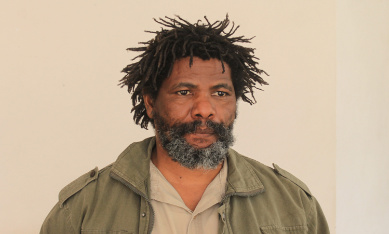
For Rastafarians, dreadlocks can represent spiritual devotion, cultural identity and a commitment to religious principles. Jaftha told the court that he had taken a vow never to use scissors or blades on his hair. Despite his objections, prison officers proceeded with the haircut.
He testified that he never voluntarily consented and submitted only under protest. “When the officers cut my hair, they didn’t just cut my hair, they cut my faith,” Jaftha told the court. According to his testimony, the experience left him feeling humiliated, spiritually violated and disconnected from an important part of his identity.
Prison Authorities Defend Their Actions
The dispute centres on a 2021 directive issued by the Namibian Correctional Service requiring male prisoners to shave their beards and maintain hair shorter than one centimetre. Jaftha says officers continued cutting his hair approximately every two weeks throughout his imprisonment.
Government representatives argue that the haircuts were necessary for prison security and hygiene. They deny that correctional officers acted unlawfully, maintaining that the restrictions were reasonable.
However, Jaftha argues that prison regulations should not override constitutional protections guaranteeing freedom of religion and cultural expression.
Nearly US$77,700 in Compensation
Jaftha is seeking N$1.2 million (approximately US$71,700) for alleged violations of his constitutional rights, alongside N$84,000 (approximately US$5,000) for the loss of his dreadlocks.
He says the additional amount represents money spent maintaining his hair over 20 years. His lawsuit names the responsible government minister, senior correctional officials and three prison officers. Beyond financial compensation, he wants the High Court to declare the prison directive unconstitutional.
A Bigger Fight for Religious Freedom
Jaftha was released from prison in June 2025 and has since begun growing his dreadlocks again. However, he maintains that the experience permanently affected his spiritual identity and standing within the Rastafarian community.
The case raises a broader question about how far prison authorities can restrict religious practices in the name of discipline, security and hygiene. Although imprisonment limits certain freedoms, Jaftha argues that religious identity should remain protected under Namibia’s Constitution.
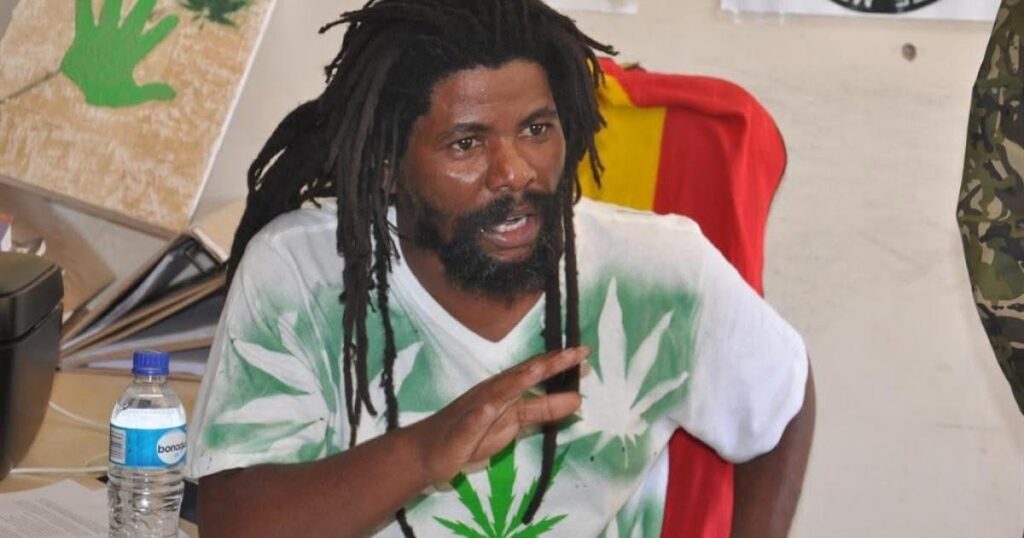
The High Court proceedings are continuing, with no final ruling yet reported. Should prison regulations override religious beliefs, or should inmates retain the right to practise their faith even while serving a sentence?
RELATED: