Faith Nyasuguta
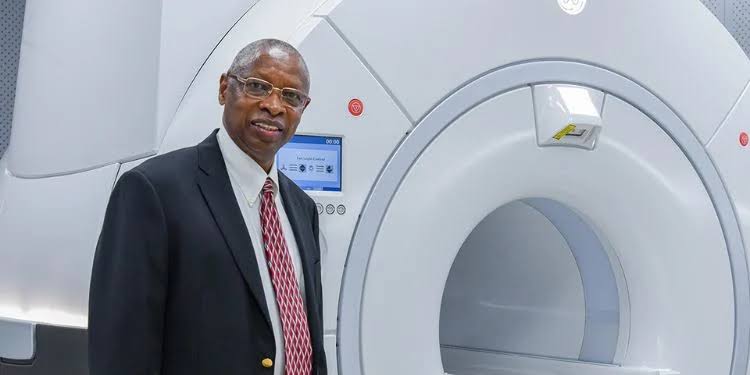
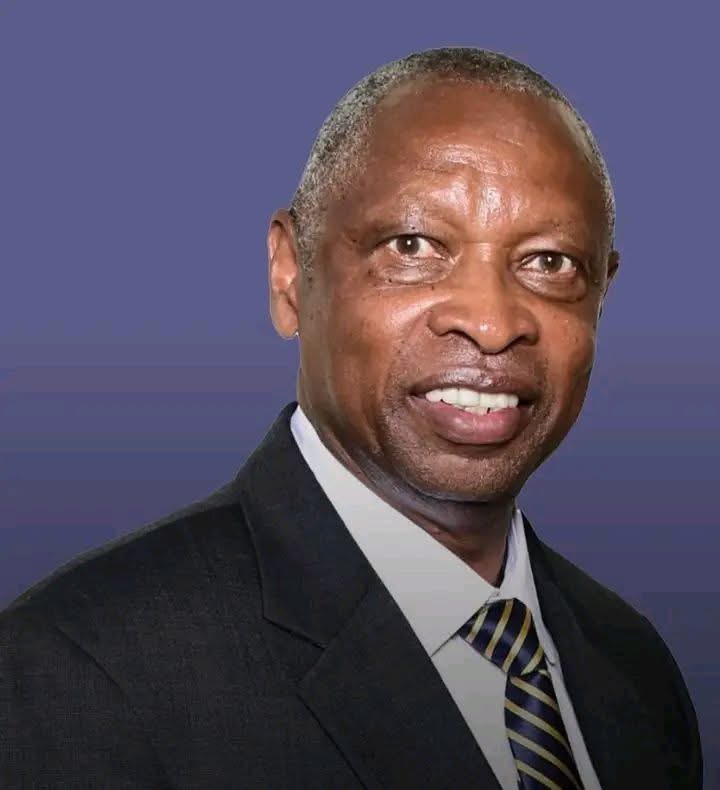
Kenyan researcher Professor F. George Njoroge has earned international recognition after winning a prestigious Sh446 million ($3.4 million) cancer research award alongside United Kingdom scientist Professor Robert Bristow for groundbreaking work aimed at improving the early detection of oesophageal cancer in Kenya.
The award, presented through the Greater Manchester Cancer Awards 2026, recognizes a major Kenya-UK research partnership that has been working to tackle one of the deadliest cancers affecting the country.

Professor Njoroge, a co-principal investigator at Kenyatta University Teaching, Referral and Research Hospital, collaborated with Professor Robert Bristow of The University of Manchester and The Christie NHS Foundation Trust on a project designed to improve early diagnosis and treatment outcomes for oesophageal cancer, commonly known as throat or food pipe cancer.
The research initiative received funding worth approximately Sh446 million ($3.4 million) from the UK’s National Institute for Health and Care Research (NIHR) and has been running for three and a half years.
In Kenya, oesophageal cancer remains one of the country’s deadliest cancers, with experts estimating that about 4,400 people die from the disease annually. The high mortality rate is largely linked to late diagnosis, where patients only discover the illness after it has already advanced to severe stages.
Professor Njoroge said many patients initially mistake symptoms such as persistent cough, sore throat, or heartburn for minor illnesses, delaying proper diagnosis until swallowing becomes difficult and treatment options become limited.
To address this, the research team introduced mobile cancer screening clinics across five Kenyan counties — Kisii, Nyeri, Nakuru, Kiambu, and Meru — bringing screening services closer to communities that often struggle to access specialized healthcare.
The project trained more than 400 clinicians and over 500 community health workers while also introducing mobile endoscopy services that have already carried out more than 1,000 procedures. Researchers say the initiative has already begun detecting cancers at earlier stages, dramatically improving chances of treatment and survival.
Beyond medical impact, the project is also helping shape future health policy in Kenya. Findings from the research are expected to guide national strategies on cancer detection, treatment systems, and long-term patient monitoring.
Professor Njoroge’s own scientific journey has been remarkable.
Born in Kiambu County, the Kenyan chemist has built a global reputation in pharmaceutical research, securing more than 100 United States patents and publishing over 130 scientific papers. One of his best-known achievements includes helping develop Victrelis, a groundbreaking hepatitis C treatment approved by the U.S. Food and Drug Administration.
Now back in Kenya after decades working abroad, Professor Njoroge says his long-term vision is to help build Africa’s scientific and biotechnology capacity from within the continent itself.
For many, the award represents more than academic success. It highlights how African-led scientific partnerships are increasingly producing world-class research capable of transforming healthcare outcomes across the continent.
RELATED: