Faith Nyasuguta

Guinea has slapped an immediate, total ban on the export of unrefined gold.
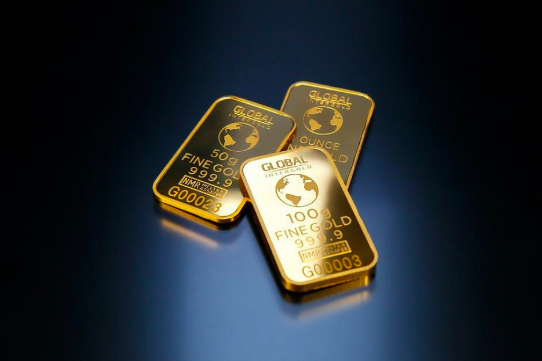
The mandate is direct and unyielding: from this point forward, every single gram of gold mined within Guinea’s borders must be melted, certified, and processed into pure ingots at a newly built facility in the capital, Conakry, before it can leave the country.

The End of the Extraction Free Ride

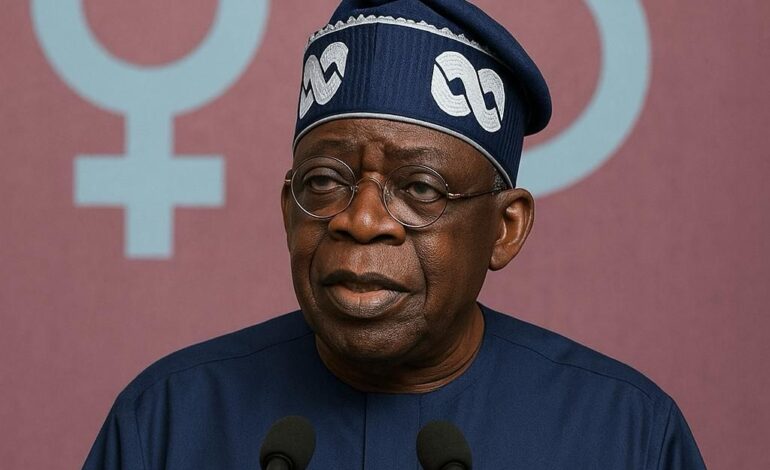
For decades, the global mining model has been identical: foreign corporations extract Africa’s raw resources, ship them overseas, and pocket massive profit margins by doing the high-value processing elsewhere. Guinean President, General Mamady Doumbouya, has officially terminated that practice.
“Guinea possesses the second largest gold reserves in West Africa, but its gold leaves the country daily in raw form to be processed, certified, and sold elsewhere,” Doumbouya declared bluntly during a national broadcast. “From today, I put an end to this practice: Guinea will require its gold to be processed within its borders.“
The ultimatum for mining giants—including massive industrial corporations like AngloGold Ashanti’s subsidiary, Societe Aurifère de Guinée—is crystal clear: adapt or get out. Any operator caught trying to smuggle unrefined gold out of the country will face immediate license suspension and the total termination of their mining contracts.

With Guinean operators having exported a staggering 22,142 kilograms of gold in just the first quarter of the year, this policy forces billions of dollars in downstream economic value to stay right inside the domestic economy.
A Continent-Wide Move Toward Resource Nationalism
Guinea’s aggressive stance is part of a calculated, continent-wide push for resource nationalism.
This move directly mirrors actions taken by Zimbabwe, which sent shockwaves through global supply chains by enforcing an immediate suspension on the export of raw lithium concentrates. Zimbabwe’s Mines Ministry explicitly cited severe corporate malpractice, tax leakages, and a strict commitment to “in-country value addition and beneficiation” as the rationale behind their decision.
The message coming out of both Harare and Conakry is identical: if global powers want African minerals to back their currencies or power their technology, they must build the refineries, invest in the infrastructure, and create the jobs on African soil.
The Global Power Shift
For generations, African nations were treated as mere extraction pits for global markets. By blocking raw exports, Guinea and Zimbabwe are executing a coordinated, structural strike against economic colonialism. They are systematically changing the rules of global trade, refusing to remain passive suppliers of cheap raw materials.
The global race for precious metals and green-energy minerals is hitting a fever pitch, and African nations are finally weaponizing their own supply chains.
RELATED: