Faith Nyasuguta

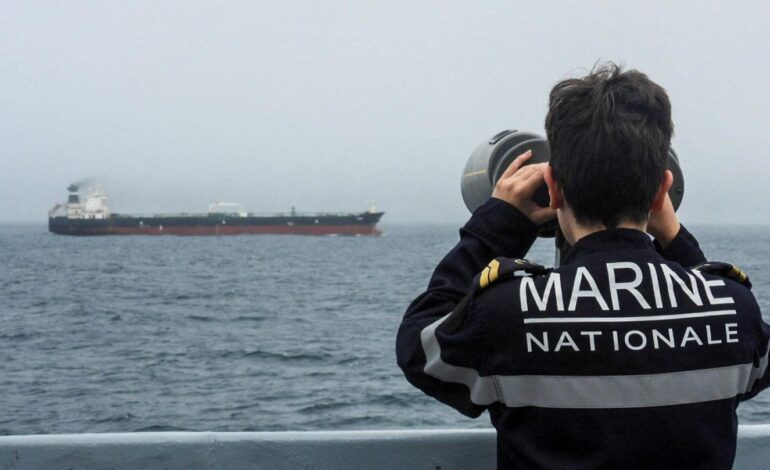
A shipment of Russian oil destined for Cameroon has suddenly become the latest flashpoint in a growing global power struggle, after French forces, backed by British military assets, intercepted a tanker in international waters and diverted it toward Europe.
What began as a routine oil delivery has now exploded into a wider debate over sanctions, maritime sovereignty, and whether African trade routes are becoming collateral damage in geopolitical battles that originated far from the continent.

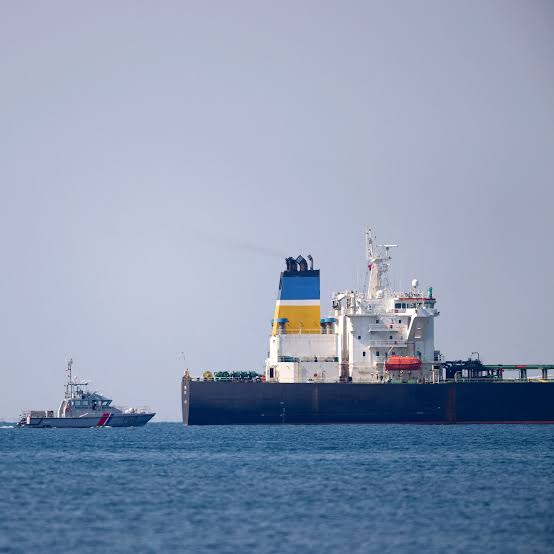
The vessel at the centre of the controversy, the Tagor, was sailing under the Madagascan flag and carrying roughly 100,000 barrels of Russian crude oil valued at approximately $6 million. Its destination was Cameroon, not Europe.

Yet French authorities intercepted the tanker in the North Atlantic, arguing that the vessel falls under European Union sanctions targeting Russia’s energy sector.

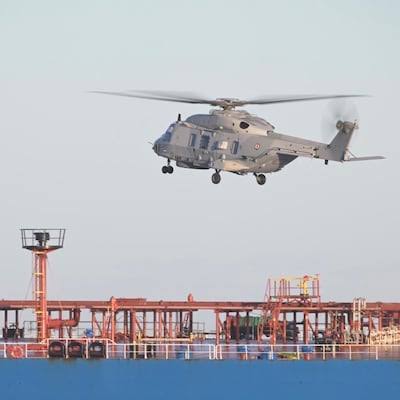
The operation forms part of an escalating European campaign aimed at choking off Russian oil revenues following the war in Ukraine. According to reports, it is the fourth such interception carried out by France since September 2025 as Western governments intensify efforts to police sanctions beyond their immediate borders.
But this latest seizure is generating far more controversy than previous operations.

Unlike many sanctioned vessels heading toward European markets, the Tagor was bound for an African country that has not imposed sanctions on Russia. Cameroon remains free to trade with Moscow, and Madagascar, whose flag the tanker was flying, has not sanctioned the ship either.
That distinction is fueling difficult questions across Africa.If a vessel carrying legal cargo between two non-sanctioning countries can be stopped in international waters, critics argue, where exactly does sanctions enforcement end?
Russia has reacted furiously, reportedly describing the interception as an act of piracy and questioning Europe’s authority to seize a ship operating outside EU jurisdiction. The incident has also thrust Madagascar into an uncomfortable diplomatic spotlight.
Under international maritime law, vessels generally operate under the jurisdiction of the country whose flag they carry. That means Madagascar is considered the ship’s flag state and holds certain legal responsibilities regarding the vessel.
Observers are now asking whether Antananarivo was consulted before the operation and whether Madagascar will challenge the interception or remain on the sidelines. The timing is particularly sensitive.
In recent years, Madagascar has sought to diversify its diplomatic and economic partnerships, expanding engagement with powers such as Russia and China while maintaining relations with Western nations. The tanker dispute now risks dragging the island nation into a geopolitical confrontation it did not initiate.
For Cameroon, the implications are equally significant. Although the Central African nation is an oil producer, it still relies on imported crude and petroleum products to support domestic energy demand. While the seized cargo represented only a fraction of the country’s overall requirements, the disruption underscores a larger vulnerability facing many African economies.
Energy shipments destined for African markets can now find themselves caught in disputes involving global powers thousands of kilometres away.
Analysts say the case reflects a broader reality facing the continent. African governments have increasingly adopted a pragmatic foreign policy approach, maintaining relationships with the West, Russia, China, and emerging powers simultaneously. That balancing act becomes harder when rival blocs attempt to project their disputes onto global trade routes.
Supporters of the seizure argue that sanctions are meaningless if targeted cargoes can simply bypass Europe and continue business elsewhere.
Critics counter that such actions create uncertainty for shipping companies, insurers, importers, and sovereign states that are not participants in those sanctions regimes.
The outcome of the dispute could set an important precedent. If the tanker is released, it may serve as a warning shot to companies involved in Russian energy exports.
If the cargo is confiscated or subjected to prolonged legal action, the confrontation could evolve into a much larger diplomatic battle involving Russia, European governments, and African states whose economic interests are directly affected.
For Africa, the incident carries a deeper message. The continent’s shipping lanes, ports, and energy routes are increasingly becoming arenas where global rivalries play out in real time.
What started as a Russian oil shipment bound for Cameroon has quickly transformed into a test of who controls international commerce, who enforces global rules, and how much say African nations truly have when their trade becomes entangled in someone else’s geopolitical war.
RELATED: