Wayne Lumbasi

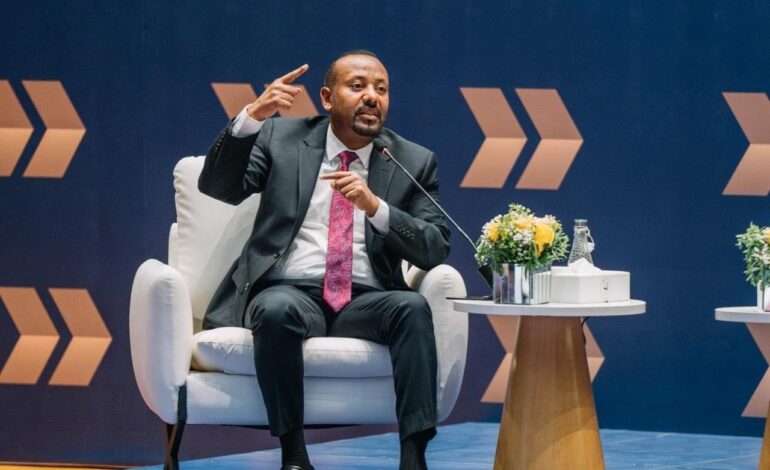
Ethiopia is set to take a major step toward economic independence by printing its own currency domestically, ending decades of reliance on foreign companies. The announcement came this week from Prime Minister Abiy Ahmed at the Finance Forward Ethiopia 2026 conference, where he outlined plans for the country to strengthen control over its monetary infrastructure and reduce external dependence.
For years, the Ethiopian Birr has been printed abroad by international security printing firms, a process that carried high costs and logistical challenges. By moving currency production home, Ethiopia aims to cut costs, improve efficiency, and gain greater control over the security and distribution of its money. The initiative will be led by Ethiopian Investment Holdings (EIH), the state-owned investment arm that oversees more than 40 enterprises across sectors including banking, transport, and telecommunications.

“This is not just about printing money,” Prime Minister Abiy said. “It is about building strategic national capacity, securing our sovereignty, and reducing reliance on foreign actors in areas that are critical to our economy.” EIH’s role in this project is part of a broader plan to strengthen state-led infrastructure and investment, with projections that the institution could contribute up to 20 percent of GDP by 2030 if its initiatives succeed.

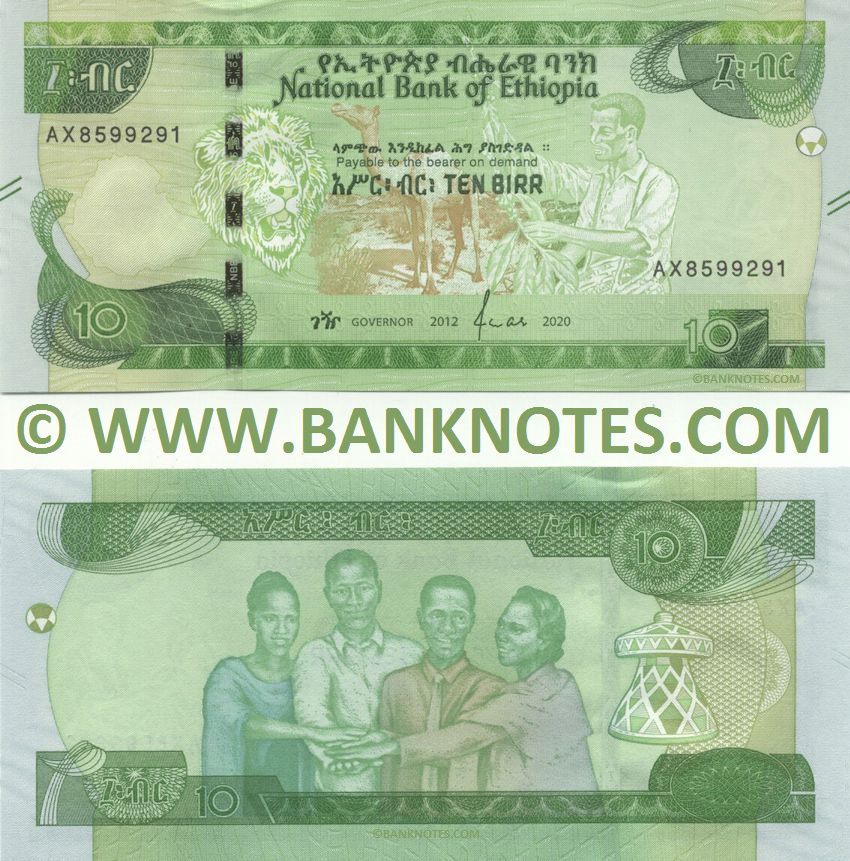
Ethiopia would join a small number of African countries that already print their own currency, including Nigeria, South Africa and Egypt. Most nations on the continent still outsource this work to European or North American companies, making them vulnerable to delays, geopolitical risks, and rising costs. By producing the Birr domestically, Ethiopia is sending a strong signal about its determination to take control of critical aspects of its economy.

The move also aligns with Ethiopia’s broader economic reforms, which have included liberalizing foreign exchange rates and investing in infrastructure projects. Officials hope that domestic currency production will complement other initiatives, such as the development of a gold refinery and partnerships with technology firms, all aimed at modernizing the economy and retaining value within the country.
If implemented effectively, Ethiopia could strengthen its financial independence and set a precedent for other African nations seeking to build domestic capabilities in strategic sectors.

RELATED: