Wayne Lumbasi

The Democratic Republic of Congo is taking steps to strengthen state control over its vast mineral wealth by restricting access to geological data that could determine where billions of dollars in future mining investments are directed.
The move forms part of a broader push to gain greater control over the country’s mining sector, which is rich in copper, cobalt, lithium, gold and other critical minerals. Congo is developing a national geological databank that will bring together geological information, exploration records and other data used by mining companies to identify potential mineral deposits. The database is expected to become fully operational by the end of 2026.

Under the planned system, some basic geological information will remain freely available, while more sensitive data will be placed under a controlled access system and made available for a fee. Requests for access will also be assessed according to Congo’s strategic interests, giving the government greater influence over who can obtain detailed information about the country’s mineral potential.

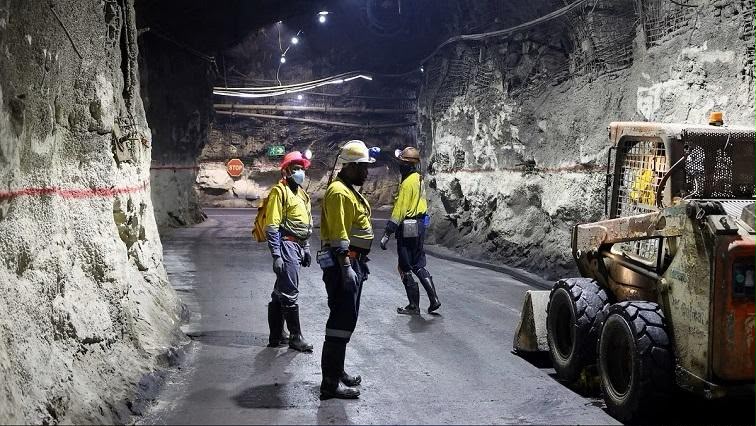
The government considers the geological information a strategic state asset because it can reduce the cost and risk of mineral exploration by showing companies where promising deposits are likely to be located.
The initiative is being supported by a major geological mapping programme involving Spanish geodata company Xcalibur. Under a contract worth about $180 million, the company began work in January 2026 to survey more than 700,000 square kilometres of Congolese territory. The programme uses airborne geophysical surveys, digitised geological records and advanced analysis to identify potential new exploration targets.
The information generated through the project will feed into the national geological databank. Congo hopes the programme will help uncover new mineral deposits in parts of the country that have received little systematic exploration.

Despite being one of the world’s most mineral rich countries, Congo remains relatively underexplored. The country’s geological authorities estimate that systematic exploration has covered only about 20% of its territory, raising the possibility that significant deposits remain undiscovered.
The push to control geological data comes as Congo seeks to increase its bargaining power in the global critical minerals market. The country is the world’s largest producer of cobalt and is also a major source of copper, two minerals that are increasingly important to electric vehicles, batteries, renewable energy systems and advanced technology.
Greater control over geological information could give Kinshasa more influence over future mining developments. By controlling detailed information about where deposits may exist, the government could have a stronger position when negotiating exploration and mining agreements with foreign companies.
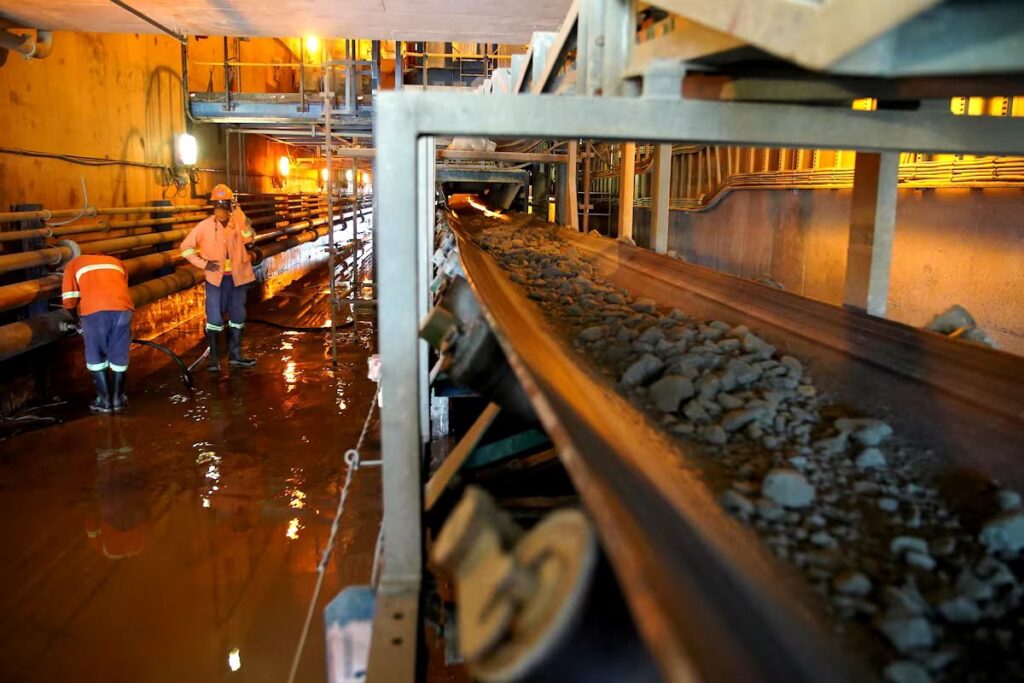
The policy also comes at a time when Congo has become increasingly important in the competition between the United States and China for access to critical minerals. Both countries have sought stronger economic and strategic relationships with Kinshasa as governments around the world attempt to secure supplies of minerals needed for modern technologies.
Congo says its geological data policy is not intended to favour either the United States or China. The same rules are expected to apply to investors regardless of their country of origin, while the broader objective is to attract a wider range of investors and ensure that Congo retains greater control over its natural resources.
However, restricting some geological information could create concerns for mining companies that rely on accessible data when deciding whether to spend millions of dollars exploring a particular area. Greater restrictions could potentially increase exploration costs or discourage some investors.
At the same time, Congo argues that its geological information represents valuable national knowledge and that the country should be able to capture part of the economic value generated by that information. The precise fee structure and the categories of geological data that will be classified as sensitive have yet to be fully detailed.
The development represents a significant shift in how Congo approaches its mineral wealth. Rather than focusing solely on controlling the extraction and export of minerals already known to exist, Kinshasa is seeking greater control over the information that could determine where the country’s next major discoveries are made.
For a country sitting on some of the world’s most important deposits of critical minerals, the battle for control is therefore moving beyond the mines themselves. Congo is increasingly positioning geological knowledge as a strategic resource, giving the state a greater role in determining who gets access to information about what lies beneath its territory and how that information is used to develop the country’s mineral wealth.
RELATED: