Faith Nyasuguta
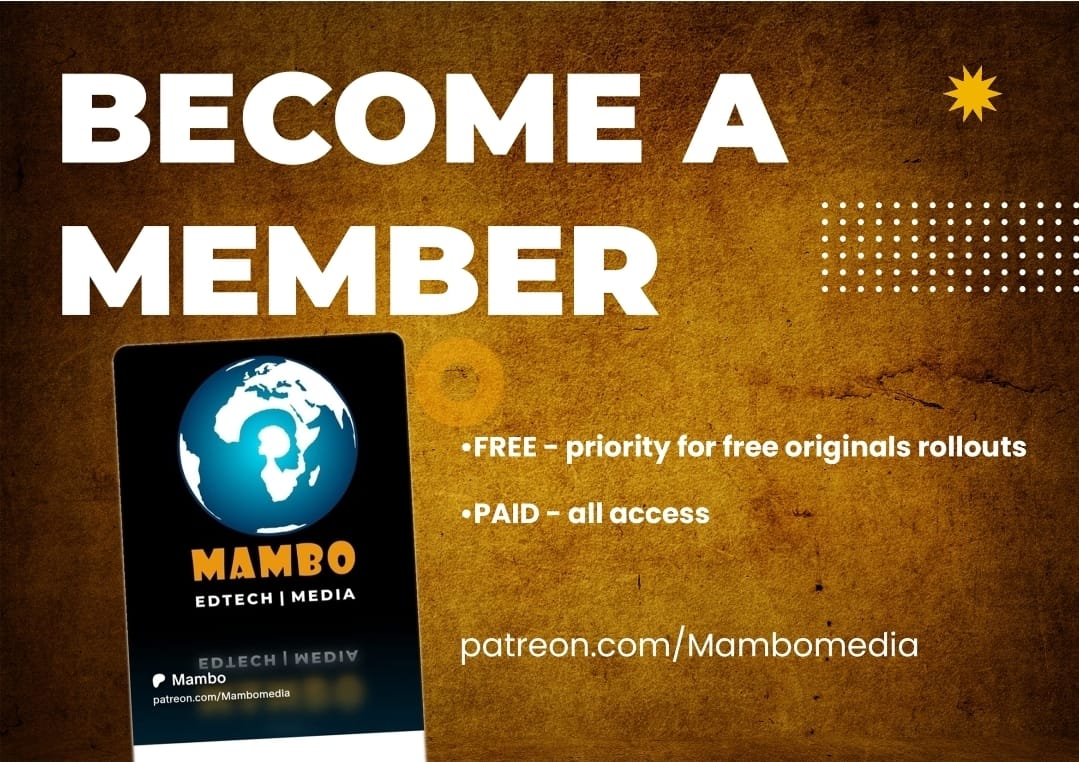
Africa’s long wait for the return of Formula 1 has entered an exciting new phase after Nigeria officially joined South Africa and Rwanda in the race to host the continent’s first Grand Prix in more than three decades. The move sets up a high-stakes contest between three ambitious nations determined to bring the world’s most prestigious motorsport championship back to African soil.
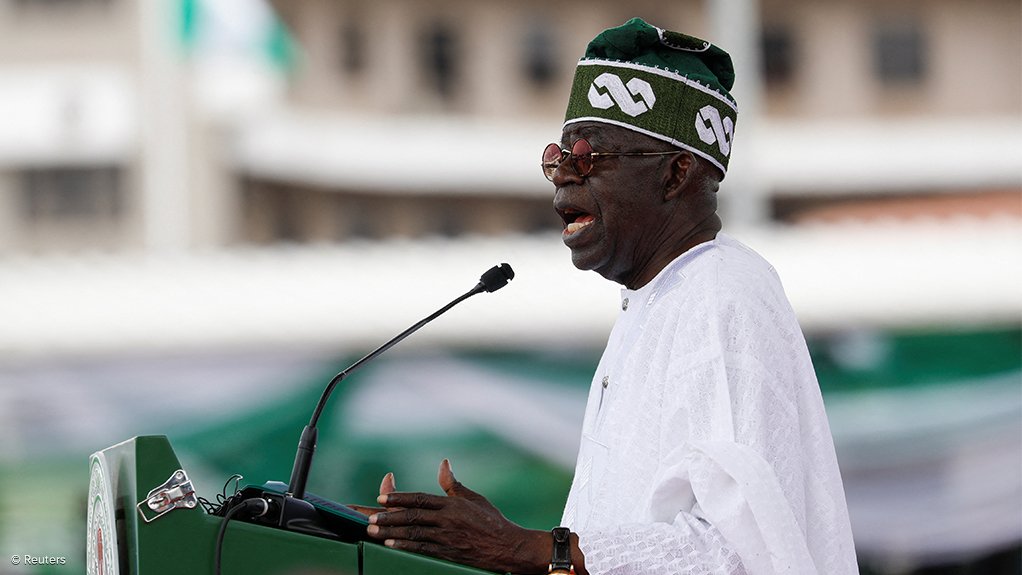
The National Sports Commission (NSC) confirmed that Nigeria has submitted an official proposal to stage a Formula 1 Grand Prix in Abuja, becoming the latest country to pursue a place on the global racing calendar.

If the bid succeeds, Nigeria would make history as the first West African nation ever to host a Formula 1 World Championship race.

To spearhead the campaign, Nigerian authorities have appointed Opus Racing Promotions to engage directly with Formula One Management (FOM) and the Fédération Internationale de l’Automobile (FIA). Officials estimate the Abuja project could be worth roughly $500 million, reflecting the enormous investment required to build and operate a world-class Formula 1 event.
The announcement comes as Formula 1 continues expanding into new markets, with governments increasingly viewing Grand Prix weekends as powerful engines for tourism, foreign investment, infrastructure development, and global branding. But Nigeria is far from alone.
South Africa and Rwanda have spent months positioning themselves as Africa’s strongest candidates to end the continent’s 33-year absence from the Formula 1 calendar. South Africa enters the contest with history firmly on its side.
The country hosted 23 Formula 1 World Championship races between 1962 and 1993, with the iconic Kyalami Circuit becoming one of the sport’s most recognizable venues. The last African Grand Prix was held there in 1993 before Formula 1 disappeared from the continent altogether.
Today, South Africa’s campaign is centered on bringing Formula 1 back to Kyalami. The circuit has already secured approval to undergo the FIA Grade 1 upgrades required to meet modern Formula 1 standards, making it one of the continent’s most race-ready venues.
Rwanda, meanwhile, is pursuing a very different strategy.
Rather than relying on history, Kigali is offering Formula 1 an entirely new, purpose-built circuit planned near the under-construction Bugesera International Airport. The country officially launched its bid during the FIA General Assembly held in Kigali in December 2024, with President Paul Kagame presenting the project as part of Rwanda’s broader vision to become a leading destination for international sporting events.
The three bids reflect different strengths.
Nigeria is banking on its massive population, expanding economy, and growing commercial market. South Africa offers decades of Formula 1 heritage alongside an internationally recognized racing circuit. Rwanda is selling a modern motorsport complex integrated into its fast-growing sports tourism strategy.
The renewed competition also revives a debate that has grown louder within Formula 1 itself.
Despite branding itself as a truly global championship, Formula 1 has not staged a race in Africa since 1993, even as it expanded aggressively across the Middle East, Asia, and North America.
The absence has repeatedly been criticized by seven-time world champion Lewis Hamilton, who has consistently argued that Formula 1 cannot genuinely call itself a world championship while excluding an entire continent. Winning the right to host, however, will not be easy.
Formula 1’s calendar is already packed with 24 races, leaving little room for additional venues. Any successful African bid must demonstrate not only a world-class circuit but also strong transport infrastructure, financial sustainability, commercial appeal, government backing, and long-term viability.
Only one country is likely to secure hosting rights in the near future. Yet regardless of which nation eventually crosses the finish line first, Africa’s renewed push represents its strongest collective effort in decades to reclaim its place in global motorsport.
After 33 years away from Formula 1, the continent is no longer waiting for an invitation. It is actively competing to bring the world’s fastest racing series back where many believe it belongs.
RELATED: