Faith Nyasuguta

Africa digs up the minerals. Foreign industries turn them into billions. Then Africa buys back the finished products at a premium. Nigeria wants to end that arrangement.
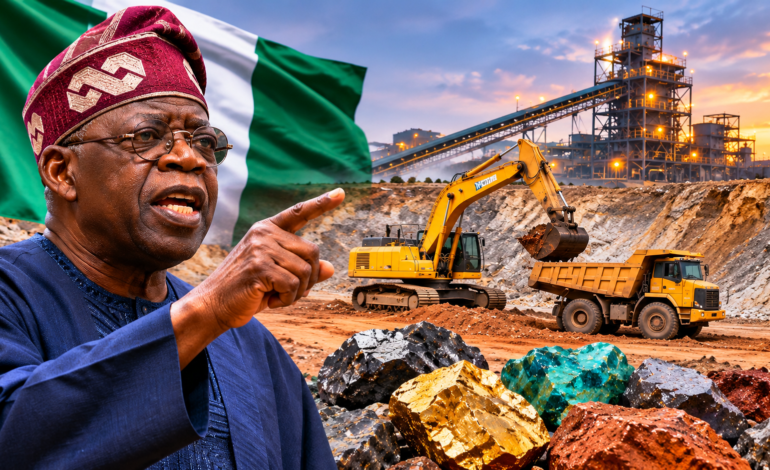
President Bola Tinubu’s administration is pushing to stop the export of unprocessed solid minerals, challenging an economic model that has kept resource-rich African countries at the bottom of global manufacturing supply chains for decades.

The Nigerian government reaffirmed its position during an investment summit in Abuja, arguing that the country must move beyond simply extracting minerals and shipping them abroad. Instead, Nigeria wants those minerals processed locally, creating industries, jobs and greater economic returns.

The message is clear: Nigeria no longer wants to remain merely a supplier of raw materials to the world’s industrial powers.

Africa Has the Minerals. Who Gets the Money?
Africa possesses vast deposits of gold, lithium, cobalt, manganese and other minerals essential to modern industries. Yet much of the value generated from these resources is captured after they leave the continent.

Raw minerals are exported to manufacturing economies, where they are refined and transformed into batteries, electronics, machinery and other high-value products. Those finished goods can then return to African markets at significantly higher prices.
For decades, this arrangement has limited the continent’s participation in global manufacturing. Nigeria is now seeking to disrupt that pattern.Tinubu’s government wants mining companies to invest in local processing rather than concentrating exclusively on extraction.
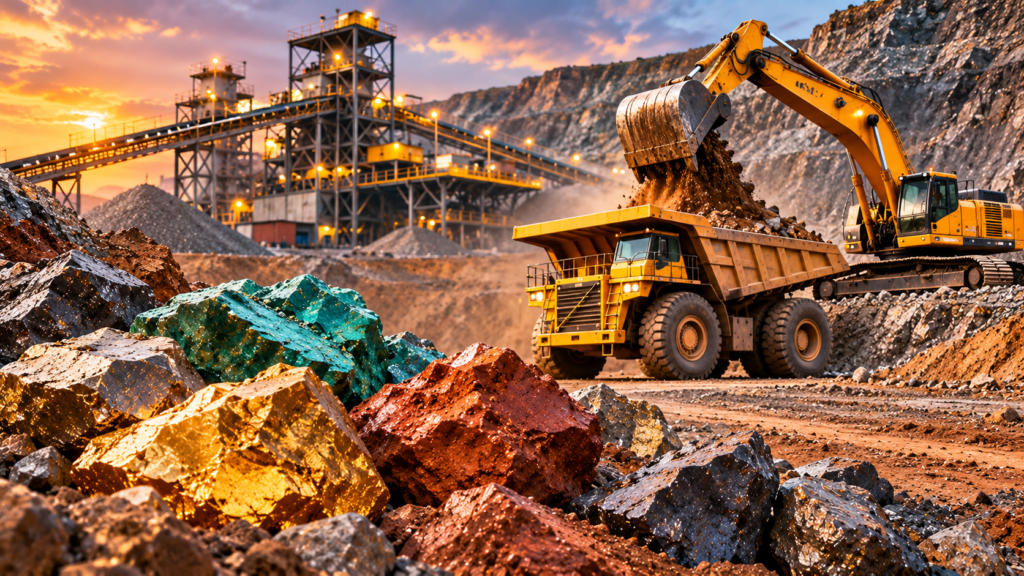
The strategy, known as mineral beneficiation, aims to retain more economic value within Nigeria.
But the ambition raises an uncomfortable question for the wider continent: Why should Africa remain a supplier of raw materials when it possesses the resources needed to become a manufacturing powerhouse?
Nigeria’s Mining Revenue Is Surging
The Nigerian government says reforms are already producing results. According to Solid Minerals Development Minister Dele Alake, government revenue from the sector exceeded ₦100 billion in 2026, compared with approximately ₦6 billion when he assumed office. Revenue reportedly reached ₦38 billion in 2024 and ₦70 billion in 2025.
Authorities attribute the increase to improved oversight, regulatory reforms and efforts to tackle illegal mining. More than 300 suspected illegal mining operators have reportedly been apprehended, while over 100 mining sites have been recovered.
However, higher government revenue does not automatically mean Nigeria has developed the industrial capacity needed to process its minerals domestically.That remains the bigger challenge.
No More Digging for Other Countries to Get Rich?
Nigeria’s proposed approach would require mining investors to demonstrate plans for local mineral processing.The objective is to encourage companies to establish processing plants, transfer technology and create skilled employment.
Instead of exporting raw lithium, for example, Nigeria wants greater participation in the industries that transform minerals into commercially valuable materials. Such a transition would strengthen domestic supply chains and potentially reduce dependence on imported manufactured goods.
But building processing industries requires reliable electricity, transport infrastructure, technical expertise and substantial investment. Nigeria has struggled with several of these challenges for years.
Without addressing them, restrictions on raw mineral exports risk disrupting trade without creating competitive local industries.
The Global Race for Africa’s Minerals
Nigeria’s announcement comes as competition intensifies for minerals used in electric vehicles, renewable energy systems and advanced technologies. Countries with established manufacturing industries are seeking secure access to critical mineral supplies.
Africa’s resource-rich economies are increasingly questioning whether exporting those minerals in their raw form serves their long-term economic interests.
Nigeria’s strategy reflects a broader continental push for industrialisation and greater control over natural resources. But controlling mineral deposits is not the same as controlling the industries that transform them into wealth. That requires investment, technology, infrastructure and sustained government policy.
Big Declarations. Where Are the Factories?
Nigeria’s ambition is significant, but its success will depend on implementation. As of November 23, the government’s latest statements signal an intention to end raw mineral exports. They do not establish that a comprehensive nationwide ban has already taken effect.
The real measure of success will be the number of operational processing facilities, manufacturing jobs created and additional export value retained domestically. Nigeria must also ensure that mining communities benefit from the industries developed around their resources.
Otherwise, the country risks replacing one unequal economic arrangement with another.
For decades, Africa has supplied the raw materials that helped industrialise other parts of the world. Now Nigeria wants a larger share of the value generated from its own mineral wealth.
The world has grown wealthy processing Africa’s resources. Nigeria is demanding a different deal. But until processing plants replace political promises, the continent’s raw materials will continue generating far more value abroad than at home.
RELATED: