Faith Nyasuguta
For the first time in Olympic history, the world’s most recognisable sporting symbol has found a home on African soil. And Senegal is leading the moment.
On Saturday, October 31, 2026, the West African nation officially opened the Dakar 2026 Summer Youth Olympic Games, becoming the first African country ever to host an Olympic sporting event. It is a milestone that has taken more than a century to arrive.

While African athletes have repeatedly conquered Olympic podiums around the world, the continent had never hosted an Olympic event. Until now.

Africa Finally Takes Centre Stage

The historic opening ceremony unfolded at the Abdoulaye Wade Stadium in Diamniadio, approximately 30 kilometres from Senegal’s capital, Dakar. More than 1,100 performers transformed the stadium into a celebration of African identity, culture, creativity and sporting excellence.
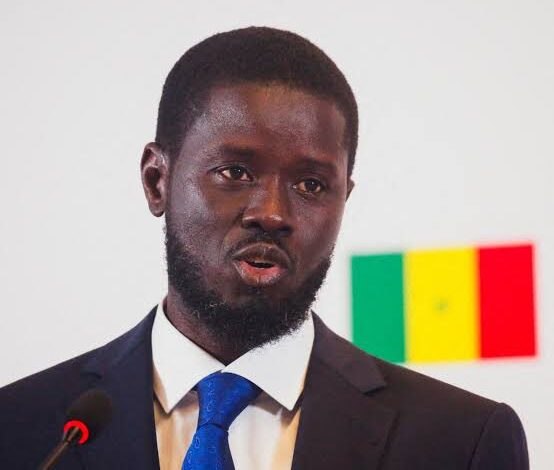
Traditional performances, music, elaborate costumes and artistic displays showcased Senegal’s heritage before an international audience. Senegalese President Bassirou Diomaye Faye officially declared the fourth Summer Youth Olympic Games open, marking a defining moment for the country and the wider continent. The ceremony was more than a sporting spectacle.

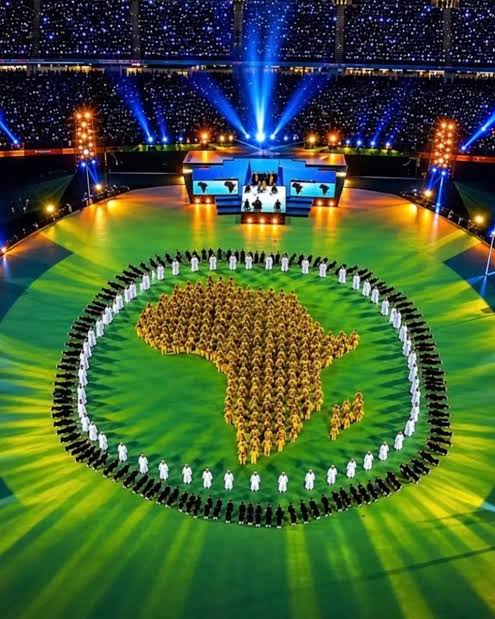
It was a declaration that Africa is capable of hosting major international competitions while celebrating its own cultural identity.
Kirsty Coventry Celebrates Africa’s Historic Moment
International Olympic Committee President Kirsty Coventry, who made history as the first woman and first African to lead the organisation, welcomed the Games to the continent. A former Olympic swimming champion from Zimbabwe, Coventry described her pride in seeing Africa host the Olympic Movement. Her presence carried particular significance.
For decades, African countries have produced world-class athletes, yet the continent remained absent from the list of Olympic hosts. Dakar 2026 changes that history.
The Games also offer an opportunity to challenge perceptions about Africa’s ability to organise major international sporting events. However, their long-term significance will depend on what remains after the final medals are awarded.
Over 2,600 Young Athletes Chase Olympic Glory
Approximately 2,655 athletes aged between 14 and 17 are expected to participate, representing 204 National Olympic Committees. The Youth Refugee Olympic Team is also making its debut, bringing additional significance to an event centred on opportunity and inclusion.
Athletes will compete across 25 sports and 153 medal events. The programme includes athletics, swimming, boxing, judo, basketball, cycling, skateboarding and several emerging disciplines. Ten additional engagement sports will introduce young people to different sporting activities without forming part of the official medal competition.
Another historic achievement is full gender balance across the Games’ athlete quotas, sports, disciplines and events. For the first time in Youth Olympic history, equal opportunities have been built into every part of the competition programme.
Three Senegalese Destinations Welcome the World
Competition is taking place across Dakar, Diamniadio and the coastal resort of Saly. These locations will host sporting competitions, cultural activities and educational programmes until November 13.
The official motto, “Africa Welcomes, Dakar Celebrates,” reflects Senegal’s ambition to showcase its hospitality while introducing visitors to the continent’s cultural diversity. The mascot, Ayo, a young lion, symbolises the energy, courage and optimism of African youth.
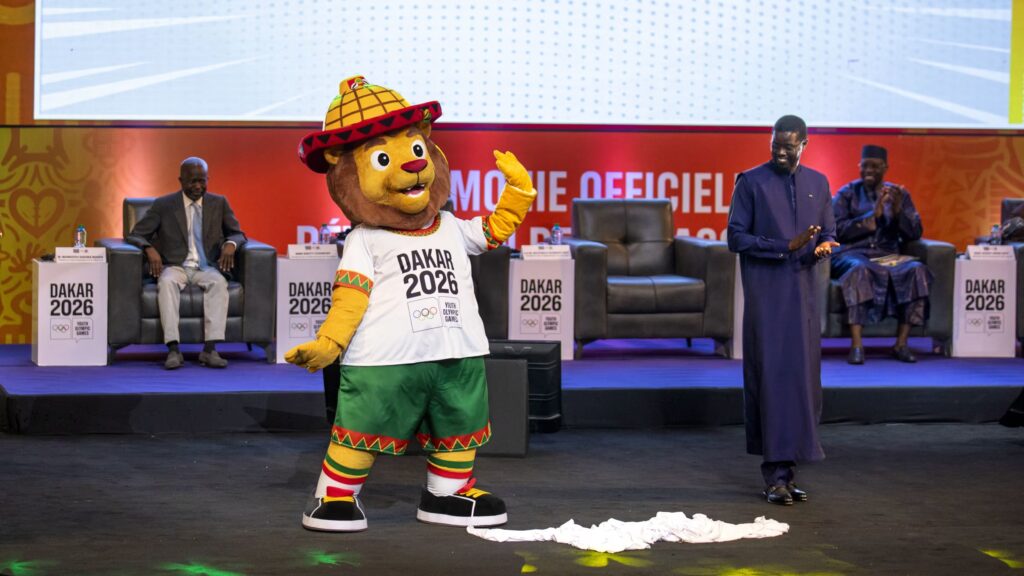
Beyond the sporting venues, organisers hope the Games will encourage participation in sport, strengthen local expertise and create opportunities for young people.
A Historic Victory, But What Comes Next?
Hosting the Youth Olympics represents an important breakthrough for Africa. But the bigger question concerns its lasting impact. Can Senegal use this opportunity to develop sporting infrastructure, strengthen youth programmes and establish itself as a destination for major international competitions?
Will the investment translate into opportunities for African athletes who often face limited access to world-class training facilities? And could Dakar 2026 strengthen the case for an African country eventually hosting the Summer Olympic Games? These questions will remain relevant long after the closing ceremony.
For Senegal, success will be measured not only by the quality of the Games but also by the benefits delivered to local communities and future generations.
Africa No Longer Watching From the Sidelines
The opening of Dakar 2026 marks a new chapter in Olympic history. African athletes have spent generations competing on the world’s biggest sporting stages. Now, for the first time, the Olympic Movement has brought one of its global events to Africa. Senegal has secured its place in history.
But the greatest legacy of Dakar 2026 may be what it inspires next: a continent increasingly determined to host, compete and shape the future of international sport.
RELATED: