Wayne Lumbasi

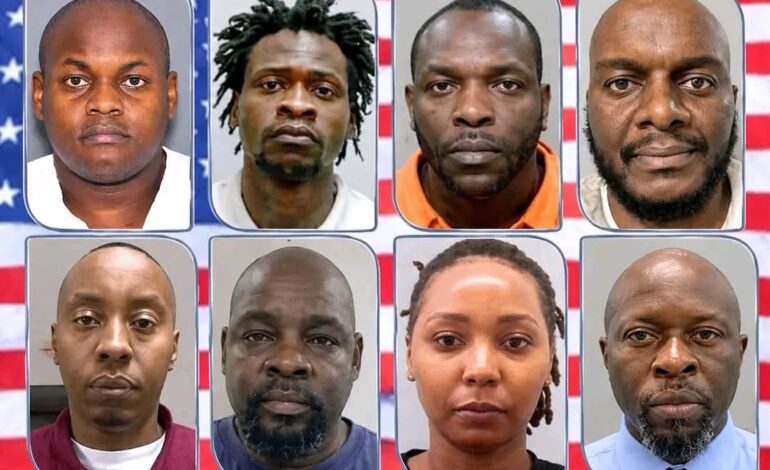
At least 52 Kenyan nationals have appeared in the US Department of Homeland Security’s “Worst of the Worst” database, which publicises immigration arrests involving people with criminal histories, as the Trump administration broadens its enforcement campaign.
The Kenyan entries include records involving homicide, rape and other sexual offences, assault, burglary, drug trafficking, fraud, cheque forgery and money laundering. Arrests associated with the listings were recorded across several states, including California, Maryland, Texas, Minnesota, Nebraska and Tennessee.

Separately, the US State Department says it has revoked more than 300,000 visas during President Donald Trump’s second term, citing lawbreaking, fraud and national-security concerns. The figure was announced by department spokesperson Tommy Pigott, according to reporting published on October

The two sets of figures describe different government actions. The 52-person count concerns Kenyan entries in an immigration-enforcement database; the 300,000 figure concerns visa revocations across nationalities. The available evidence does not independently establish that every Kenyan listed in the database was included in that visa-revocation total.

The “Worst of the Worst” website is a DHS initiative featuring people arrested by Immigration and Customs Enforcement, known as ICE. It publishes profiles and criminal-history summaries, but is not exclusively a register of completed deportations.
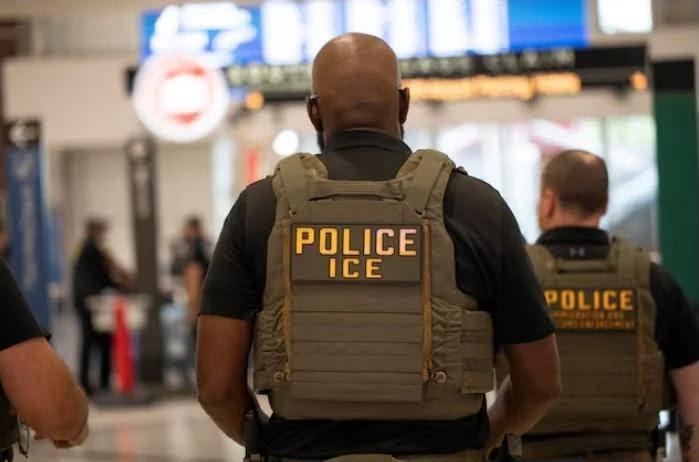
DHS launched the platform on December 8, 2025. In a July 28, 2026 announcement, the department said it had added 5,000 profiles, bringing the database to more than 40,000 entries nationwide.

The Kenyan listings therefore do not, by themselves, establish how many people have been deported. Available reporting indicates that the database includes people in immigration custody as well as those already removed from the United States.
Among the Kenyan cases is that of John Muyeka, whose prosecution arose from a retail-fraud scheme that obtained more than US$2 million in merchandise approximately Sh259 million at the conversion used in reporting on the case. That sum relates to the operation, rather than a combined loss attributed to the 52 Kenyans.
A federal indictment filed in New Jersey in March 2018 named Muyeka alongside Lessie Dickerson III. Prosecutors alleged that the defendants and their associates used fraudulent cheques and counterfeit identification documents to obtain merchandise or store credit before reselling the goods.
Contemporaneous reporting described an operation spanning 10 states between December 2013 and February 2017. Participants acquired expensive products, including air conditioners and hardwood flooring, using false identities and cheques bearing fictitious names but genuine bank-account and routing numbers.
Muyeka pleaded guilty in Newark federal court in July 2019 to one count of misprision of a felony, an offence involving concealment of a felony. The reporting reviewed does not establish his final sentence or a completed deportation.
Another documented case concerns Jackson Kabut Gichema. In a March 24, 2026 announcement, ICE’s Baltimore office said it had arrested the Kenyan national following a rape conviction in Baltimore County, Maryland.
The agency said Gichema entered the United States on a visitor’s visa in 2003 and failed to leave when his authorised stay expired. It also said he had a final removal order and would remain in immigration custody. That announcement established his detention pending removal, not that a deportation had already taken place.
An official DHS update separately identified Dennis Nyagesuka, a Kenyan arrested in Lincoln, Nebraska. The department listed offences involving terroristic threats under state law, concealment of stolen property and assault, but did not state whether he had subsequently been removed from the country.
These individual announcements illustrate the different stages represented in the database: a criminal record, an immigration arrest and a removal order do not necessarily establish a completed deportation.
Announcing the broader visa-revocation figure, Pigott said the administration maintained “zero tolerance” for foreign nationals who break the law, commit fraud or undermine national security. He also claimed the administration had revoked visas at a faster pace than any previous administration—a comparison not independently verified in the material reviewed.
The announcement did not provide a nationality-by-nationality breakdown of the more than 300,000 revocations. Consequently, it does not establish Kenya’s share of that total or the visa outcome of each person in the DHS database.
The available records support a count of at least 52 Kenyan nationals listed in the enforcement initiative. They do not provide a confirmed tally of those returned to Kenya, those still detained or those whose immigration proceedings remain unresolved.
RELATED: