Faith Nyasuguta

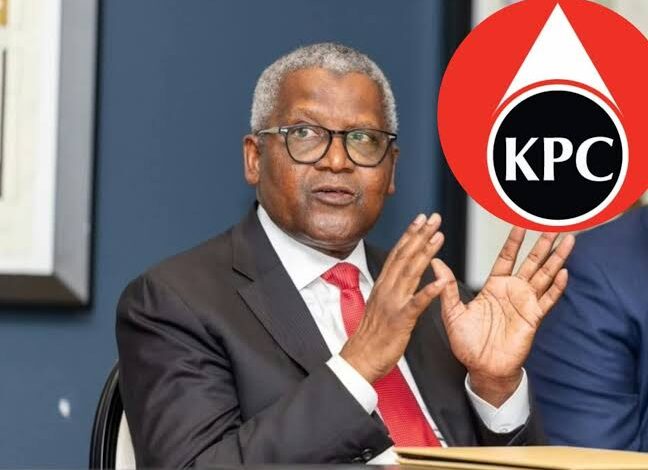
Africa’s richest man, Aliko Dangote, is making an ambitious move into East Africa’s energy industry, acquiring a 25% stake in Kenya Pipeline Company (KPC) for a reported $335 million and pledging another $1.5 billion to expand the country’s petroleum transportation network.
The combined acquisition and proposed investment, valued at approximately $1.84 billion, could significantly reshape how fuel is refined, transported and distributed across East Africa.

But the deal raises a bigger question: Is Dangote simply investing in Kenya’s energy future, or positioning his business empire to influence the region’s entire petroleum supply chain?

The Nigerian billionaire confirmed the acquisition on Wednesday, October 21, during the Financial Times Africa Summit in London, describing the investment as part of his group’s wider strategy to strengthen petroleum distribution across Africa.

The transaction involved approximately 4.5 billion KPC shares, representing about 24.76% of the company’s issued share capital, commonly rounded to 25%.
The Financial Times reported a purchase consideration of $335 million, while Kenyan market reporting placed the transaction at approximately KSh42.5 billion, or $327 million. The difference reflects the figures and currency conversions used in the respective reports.

Why Kenya’s Pipelines Matter
Kenya Pipeline Company operates one of East Africa’s most strategically important petroleum transportation networks. Its approximately 1,300-kilometre pipeline system transports petrol, diesel and aviation fuel from the coastal city of Mombasa to Nairobi and western Kenya.
The infrastructure also supports fuel supplies to neighbouring countries, including Uganda, Rwanda, South Sudan and the Democratic Republic of Congo. For landlocked economies dependent on regional transportation corridors, access to reliable fuel infrastructure is essential.
Dangote’s acquisition therefore gives his group a substantial ownership interest in an established distribution network serving multiple African markets. However, a minority shareholding does not automatically give Dangote operational control over KPC or exclusive rights to use its pipelines.
The strategic significance lies in the potential influence and commercial opportunities that come with ownership in such critical infrastructure.
From Refining Oil to Moving It
The pipeline acquisition comes just three weeks after Dangote and Kenyan President William Ruto broke ground on a proposed $16 billion petroleum refinery in Lamu on September 30.
The refinery is designed to process approximately 700,000 barrels of crude oil daily, potentially making it one of Africa’s largest refining facilities. Construction is targeting completion around 2030. The project is expected to serve Kenya and neighbouring markets that currently spend substantial amounts importing refined petroleum products.
Dangote has also offered regional governments a combined 30% ownership interest in the refinery, with Kenya among the countries considering participation. The refinery and pipeline investments could eventually complement each other, allowing Dangote’s group to participate in both fuel production and regional distribution.
However, the planned Lamu refinery would still require appropriate connections and transportation arrangements to access KPC’s existing infrastructure. The refinery project has also faced legal challenges involving land ownership, highlighting the obstacles that remain before commercial operations can begin.
Kenya’s Privatisation Gamble
Dangote’s entry follows one of Kenya’s most significant privatisation exercises in nearly two decades. Earlier in 2026, President Ruto’s administration sold a 65% stake in Kenya Pipeline Company through an initial public offering.
The government offered approximately 11.8 billion shares at KSh9 each, raising about KSh106.3 billion. The transaction formed part of a broader strategy to mobilise private capital for infrastructure development while reducing pressure on public finances. But the sale also attracted scrutiny over valuation, ownership and the future of strategic national assets.
Several public institutions initially purchased substantial shareholdings during the IPO. Dangote’s subsequent acquisition involved shares previously held by state-linked entities.
The development raises important questions about how ownership changes could affect competition, investment decisions and the governance of infrastructure essential to Kenya’s economy. For the government, the opportunity is to attract investment without surrendering effective oversight of a critical national asset.
Could Dangote Reshape East Africa’s Fuel Market?
Dangote already operates a major refinery near Lagos, Nigeria, and has built a diversified industrial empire spanning cement, fertiliser, sugar and energy. His expansion into Kenya signals an ambition extending beyond individual industrial projects.
The billionaire is pursuing an interconnected African petroleum business built around refining capacity, storage facilities and distribution infrastructure.
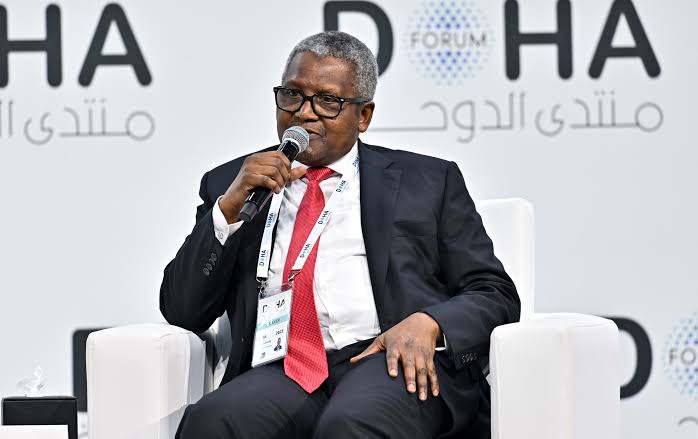
If successfully implemented, the strategy could reduce dependence on imported refined fuels, improve regional supply reliability and create opportunities for industrial development. It could also introduce stronger competition for established fuel importers and distributors. Yet the scale of Dangote’s investments makes regulatory oversight particularly important.
A business with interests in refining and transportation could gain considerable commercial advantages, making transparent infrastructure access and effective competition regulation essential.
For East African consumers, the ultimate test will not be the size of Dangote’s investments but whether they translate into more reliable supplies and competitive fuel prices.
Dangote has already demonstrated that he can build major industrial infrastructure. Now, with billions committed to Kenya, he is attempting something even more ambitious: connecting African fuel production to the infrastructure that delivers it across borders.
And if the strategy succeeds, East Africa’s petroleum industry could look considerably different by the end of the decade.
RELATED: