Faith Nyasuguta

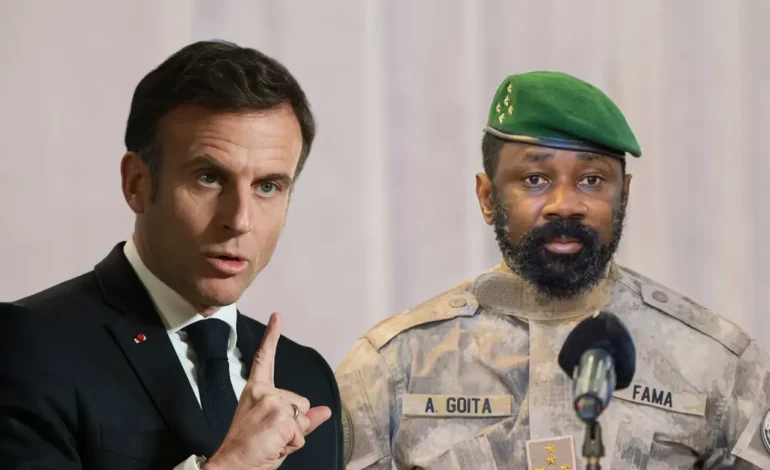
France has expelled two Nigerien intelligence officers from Paris, following a similar dispute involving two Malian officers in 2025. The two incidents have seen four intelligence officials removed from France as relations with the military-led governments of Niger and Mali continue to deteriorate.
According to Le Monde, the Nigerien officers were assigned to their country’s embassy in Paris and belonged to the General Directorate of Documentation and External Security. French authorities declared them persona non grata on September 16, 2026. They left France three days later. A French diplomatic source said their continued presence was no longer justified because bilateral intelligence cooperation had ended. A Nigerien source also alleged that one officer had been monitoring Nigerien opposition figures living in France. That allegation has not been independently verified, and no criminal charge against either officer was established in the reporting.

Two Expulsions, One Deepening Diplomatic Rift

The latest expulsions follow a confrontation in Mali in September 2025. French authorities ordered two Malian intelligence officers to leave France after Malian authorities arrested French intelligence officer Yann Vézilier in Bamako the previous month.

Mali accused Vézilier of involvement in an alleged attempt to destabilise the government led by Assimi Goïta. France maintained that he was an accredited member of its diplomatic mission. In June 2026, a Malian court sentenced him to 20 years in prison for undermining state security. Goïta pardoned him on August 13, 2026, after approximately a year in detention, and he returned to France.
The cases unfolded under different circumstances, but both show how intelligence personnel have become entangled in wider diplomatic confrontations. Intelligence cooperation depends on confidential information-sharing, trusted contacts and working relationships between agencies. When governments stop trusting one another, those channels can close alongside formal security agreements.

France’s Military Withdrawal
The intelligence disputes are part of a broader retreat in France’s security relationships across the Sahel. France completed the withdrawal of approximately 1,500 troops from Niger in December 2023, following the July coup that removed President Mohamed Bazoum. Niger’s military authorities demanded the departure of French forces and subsequently expelled the French ambassador. France closed its embassy in Niamey in December 2023.
Mali had already broken with France over its military presence and approach to the country’s security crisis. French forces withdrew in 2022 after relations with the authorities deteriorated. Burkina Faso also moved to end France’s military presence, completing a wider shift away from the former colonial power.
These withdrawals marked a major change for France, which had maintained thousands of troops across the wider Sahel region during its counterterrorism operations. They also forced the affected governments to reorganise their security partnerships while continuing to confront armed insurgencies.
The Russia Factor
Niger, Mali and Burkina Faso have strengthened their cooperation through the Alliance of Sahel States, established in 2023 and developed into a regional confederation in 2024. The three governments have also expanded military ties with Russia, including cooperation involving Russia’s Africa Corps, which took over networks previously associated with the Wagner Group.
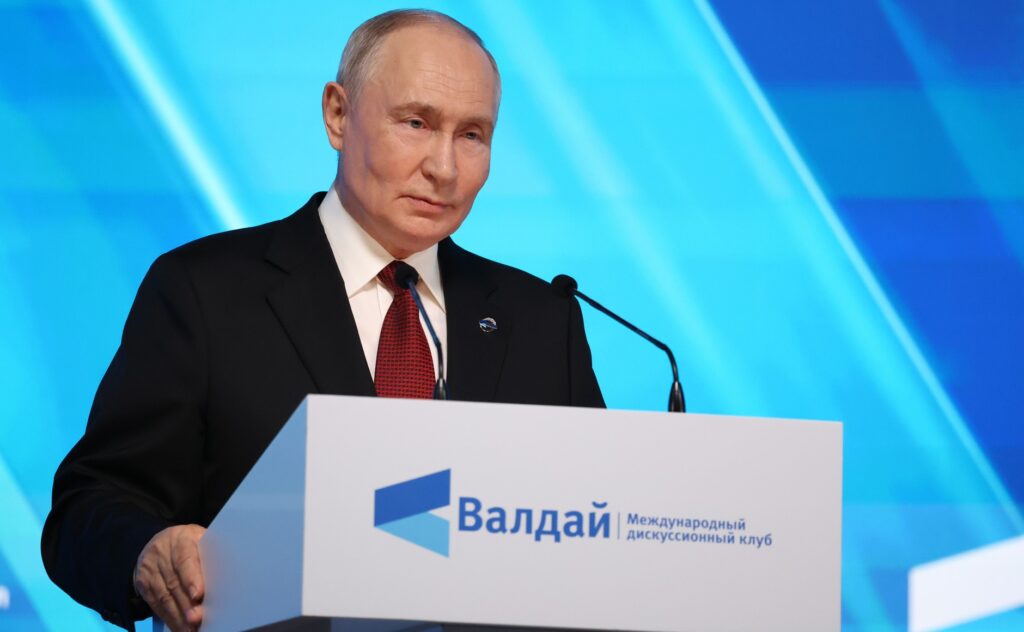
Russia’s role is no longer merely diplomatic. In Mali, Russian personnel have participated in military operations alongside government forces. In October 2026, Russian-backed Malian forces re-entered Kidal after separatist fighters announced their withdrawal from the strategic northern town. The episode illustrates the growing operational role of Russia in the region, although it does not establish that Russian assistance has resolved the Sahel’s wider security crisis.
For the Sahel governments, diversifying security partnerships is part of a wider effort to exercise greater control over national defence and foreign policy. For France, the loss of military access and intelligence cooperation reduces its direct role in a region where it once maintained extensive security relationships.
However, replacing one external partner with another does not automatically improve security. The key questions remain whether governments can protect civilians, contain armed groups, maintain control over territory and build security institutions that can operate effectively over the long term.
What Tge Expulsions Reveal
The removal of four intelligence officers across two diplomatic disputes is not, by itself, a measure of the entire breakdown in France’s Sahel relationships. But it is a concrete indication of how far cooperation between Paris and the governments of Niger and Mali has deteriorated.
The Nigerien case also carries an unresolved allegation that one officer monitored political opponents in France. That claim requires independent verification and should not be treated as an established fact. What is confirmed is that France said bilateral intelligence cooperation had ended and that the two officers no longer had a justified presence on its territory.
The larger shift is unmistakable in the sequence of events: French troops have withdrawn from Niger and Mali, diplomatic relations have sharply deteriorated, intelligence officials have been expelled, and the three Sahel states have pursued closer cooperation with Russia.
Security sovereignty requires more than removing foreign troops or changing alliances. It depends on domestic intelligence capacity, accountable institutions, regional coordination and demonstrable improvements in public safety. The test for every partnership is whether it delivers those outcomes for the people it is meant to protect.
RELATED: