Faith Nyasuguta

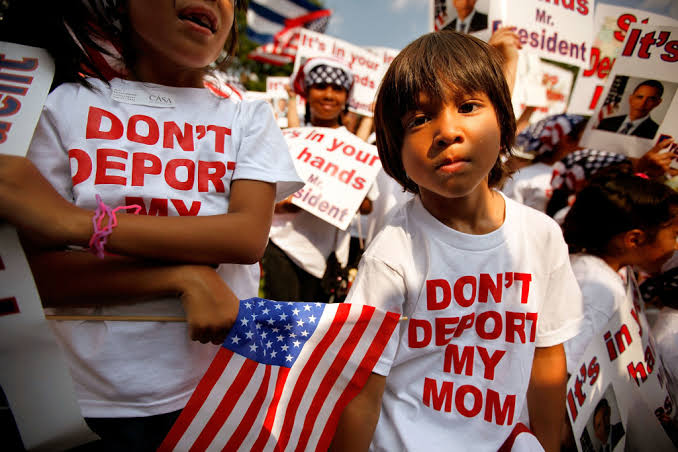
The United States has expanded its use of third-country deportation agreements to transfer migrants to countries with which many have no personal or legal ties. The network has sent more than 25,000 people to 29 countries, including nations across Africa, with at least $49 million in direct US government funding linked to the arrangements. At the same time, an estimate from the Brookings Institution indicates that more than 35,000 children in the US have had both parents deported under President Donald Trump’s second administration.
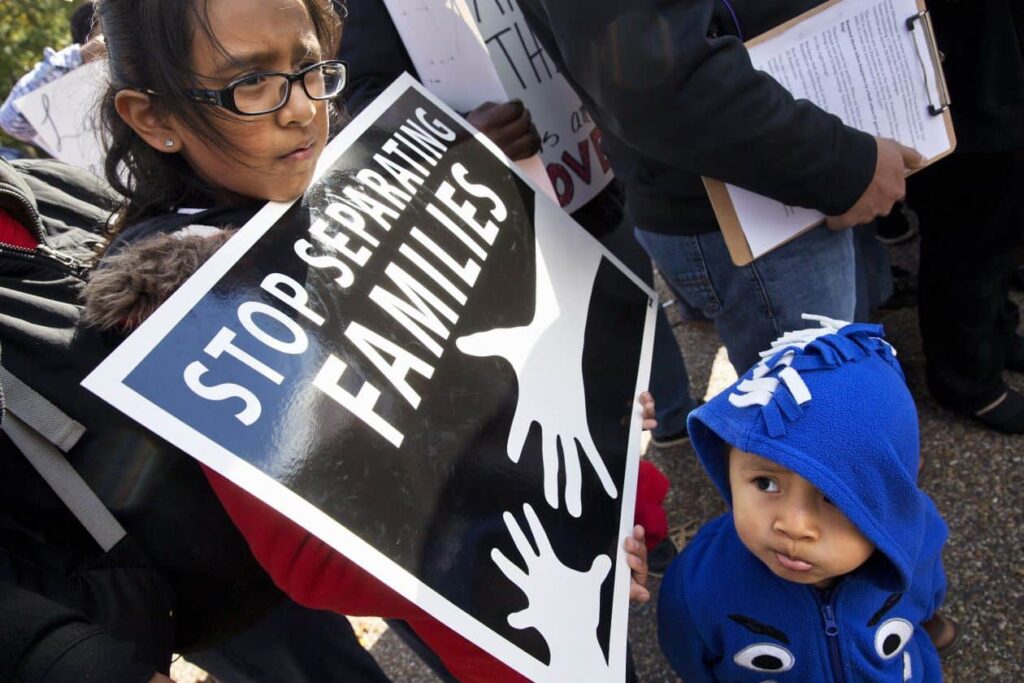
The figures reveal two sides of an increasingly aggressive immigration policy: families separated inside the United States and migrants transferred across international borders through agreements that have drawn criticism over transparency, legal protections and the risk of mistreatment.

Thousands of Children Left Without Parents

The estimated 35,000 children are US citizens whose parents have reportedly been deported, leaving them without either parent in the country. Some are being cared for by relatives, friends, neighbours or other adults who may lack the legal authority or financial resources to support them.

Brookings researchers have warned that reliable government data on the number of children affected by parental detention and deportation remain limited. Their broader research estimates that millions of US-citizen children live with at least one parent whose immigration status puts the family at risk of separation.
The consequences extend beyond the immediate loss of parental care. Children can face housing insecurity, interrupted schooling, emotional distress and uncertainty over who will make decisions about their welfare. Some families must also choose between keeping children in the United States or having them leave with a deported parent.


Caitlin Dickerson, a staff writer at The Atlantic who has reported on these separations, described the pressure to meet deportation targets as placing removals ahead of other considerations, including children’s welfare.
Africa’s Role
The US has also negotiated agreements to transfer migrants to countries other than those they call home. The arrangements can involve people who cannot readily be deported to their countries of origin, including some who fear persecution or torture if returned.
Third Country Deportation Watch, a project by Refugees International and Human Rights First, lists agreements and transfers involving African countries including Burundi, Cameroon, Cabo Verde, the Central African Republic, the Democratic Republic of the Congo, Equatorial Guinea, Eswatini, Ghana, Liberia, Libya, Rwanda, Sierra Leone, South Sudan and Uganda. The tracker says more than 25,000 people have been sent to 29 countries under the wider network, while direct US payments linked to the agreements exceed $49 million.
These arrangements raise questions about what receiving governments have agreed to, what protections transferred people receive and whether they can challenge their removal. Human Rights Watch reported in October that 536 people had been transferred to African countries under the programme between January 2025 and August 2026, with some facing detention and alleged abuse.
What Africa Gains & Risks
For African governments, accepting deportees may bring financial assistance or other diplomatic benefits. But the public needs to know the terms of these agreements, including the payments involved, the duration of detention where applicable, and who bears responsibility for legal representation, accommodation and eventual onward travel.
The issue is not simply whether a country has the capacity to receive migrants. It is whether the arrangement respects human dignity, due process and international obligations, particularly when people are sent to places where they have no family, community or established support.
The wider lesson for Africa is that migration agreements must not be negotiated behind closed doors without public accountability. Governments should disclose the terms, establish independent oversight and ensure that people transferred to their territory can access legal advice and challenge unlawful detention.
The US deportation network is reshaping responsibilities across borders. African governments now face a choice: treat these arrangements as narrow diplomatic transactions or insist on clear safeguards before accepting people whose futures may depend on decisions made thousands of kilometres away.
RELATED: