Faith Nyasuguta

Burkina Faso has introduced mandatory military-style training for journalists working in both public and private media, as the government seeks to strengthen what it describes as patriotic commitment and responsible reporting during the country’s ongoing security crisis.
The programme, known as “patriotic immersion,” combines elements of military training with lessons on journalism, national responsibility and reporting during periods of conflict.

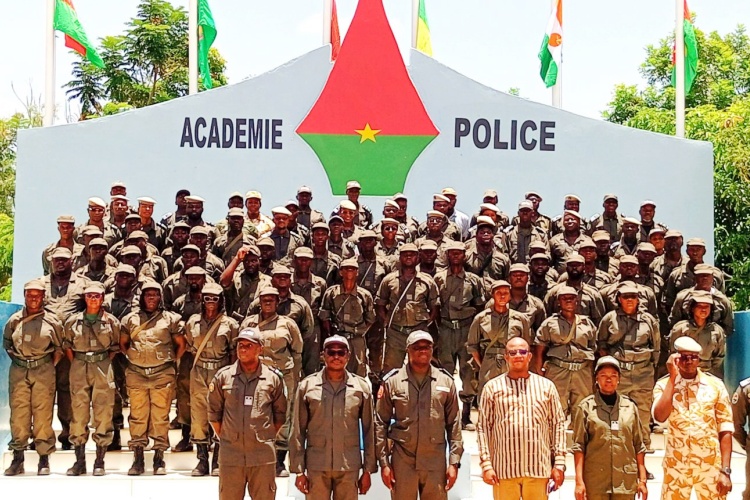
The first cohort of 44 journalists has completed the programme at the Pabre Police Academy, located near the capital, Ouagadougou.

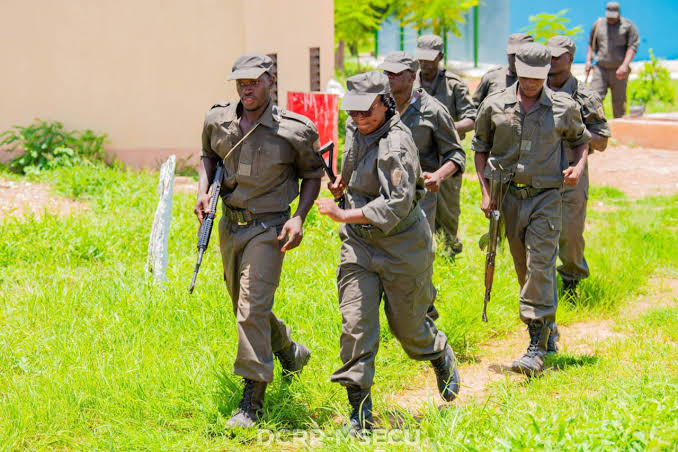
Participants were taken through a range of activities that went well beyond conventional newsroom training.

The programme included basic military drills, weapons handling and tactical first aid, alongside sessions focused on patriotism, professional ethics and responsible journalism during security emergencies.
The initiative comes as Burkina Faso continues to confront a severe insurgency involving jihadist armed groups, with large parts of the country affected by insecurity and military operations.

For journalists operating in such an environment, authorities argue that reporting can have direct security consequences.
The training therefore seeks to prepare media professionals to operate in high-risk environments while ensuring that information released to the public does not unintentionally compromise military operations or endanger civilians and security personnel.
Officials from Burkina Faso’s communication and security authorities encouraged journalists to balance their professional responsibilities with what they described as a broader national commitment.
The message from authorities was essentially that journalists should remain journalists—but journalists operating within a country at war.That distinction is at the heart of the programme.
Burkina Faso’s authorities have increasingly emphasised national mobilisation as part of their response to the security crisis. Under the leadership of Captain Ibrahim Traoré, the government has promoted a strong narrative of national sovereignty, self-reliance and resistance to foreign influence.
Media organisations have consequently found themselves operating in an increasingly sensitive environment.
Reporting on military operations, casualties, territorial control and attacks by armed groups can carry significant political and security implications.
The government says greater discipline and awareness among journalists can help prevent misinformation and irresponsible reporting while supporting national efforts to confront armed groups.
But the programme also raises questions about the boundaries between journalistic independence and national security.
Military-style training for journalists is highly unusual and could generate concerns among press-freedom advocates, particularly if patriotic instruction is interpreted as pressure on reporters to align their coverage with government narratives.
The government, however, has framed the initiative as professional preparation rather than an attempt to turn journalists into soldiers.
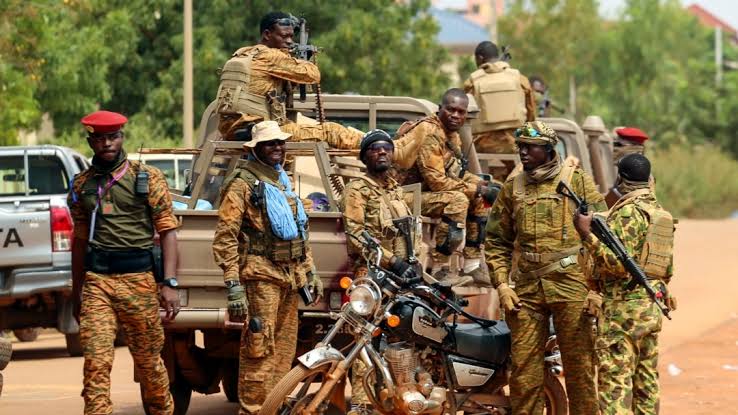
The inclusion of tactical first aid and weapons handling appears designed partly to help journalists understand and survive dangerous environments, especially those covering conflict zones.
At the same time, authorities have stressed the importance of responsible reporting, suggesting that the programme is intended to combine practical field preparedness with professional media standards.
The first cohort of 44 journalists is expected to be followed by additional groups as the programme becomes an annual exercise.That means the initiative could eventually involve a much larger portion of Burkina Faso’s media sector.
The programme also reflects a broader transformation taking place in Burkina Faso, where the boundaries between civilian mobilisation, national security and public communication have increasingly blurred as the country battles insurgency.
For journalists, the new reality is stark: reporting from Burkina Faso’s conflict zones may require more than a notebook, camera and microphone.
It may now require combat awareness, emergency medical skills and an understanding of how information can affect the battlefield.
RELATED: