
Wayne Lumbasi

Alabama executed 42-year-old Jeremy Tremaine Williams by lethal injection on Thursday night for the 2021 kidnapping, sexual assault, and murder of 5-year-old Kamarie Holland. Williams was pronounced dead at 6:16 p.m. CDT at the Holman Correctional Facility in Atmore.
The execution marked the state’s first capital punishment carried out in 2026 and followed an explicit petition by Williams to waive his remaining legal appeals to expedite his death sentence.



The horrific case originated in December 2021, when young Kamarie Holland was reported missing from her home in Columbus, Georgia. Investigators revealed that the girl’s mother, Kristy Siple, trafficked her daughter to Williams for $2,500.
Williams transported the child across state lines to a vacant house in Phenix City, Alabama, where he sexually assaulted and strangled her while recording the acts on his mobile phone.
Siple subsequently pleaded guilty to human trafficking charges for her facilitating role and is currently serving a 20-year prison sentence.

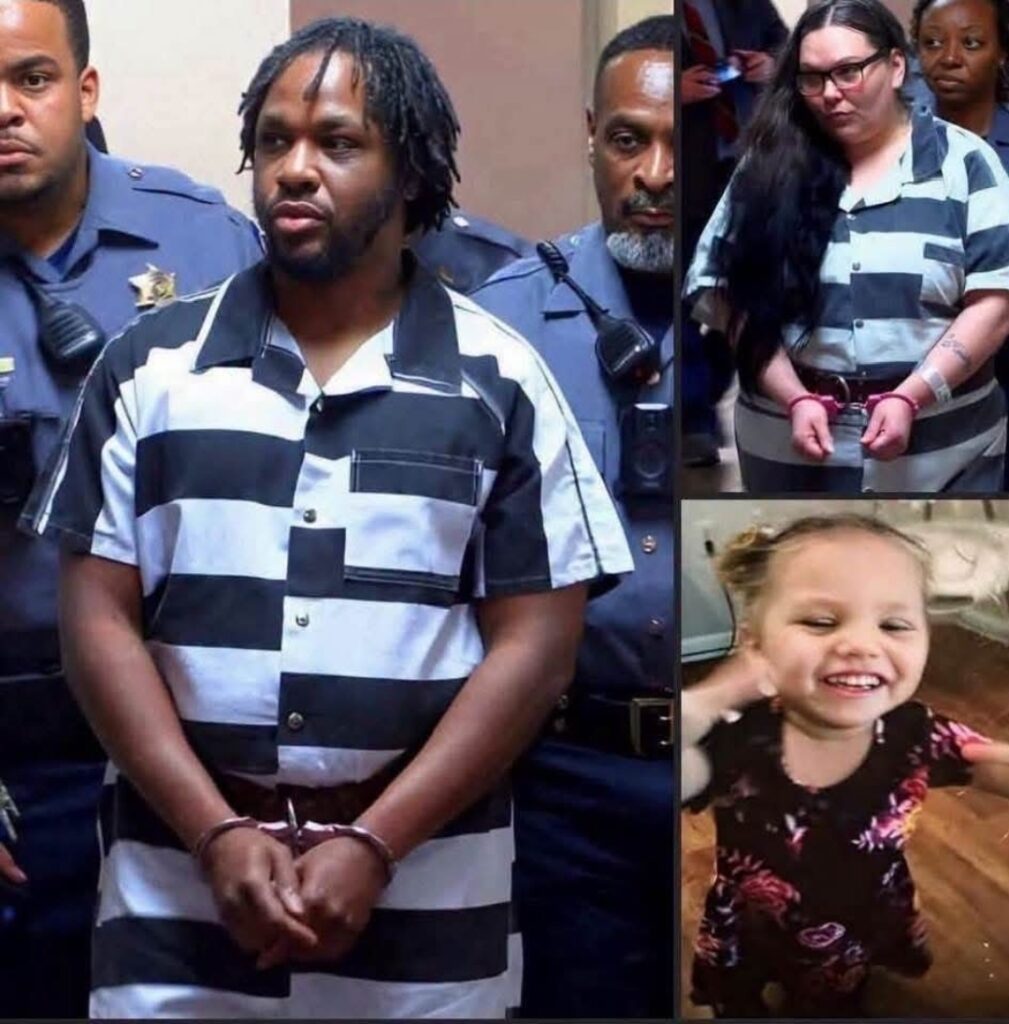
In early 2024, Williams pleaded guilty to four counts of capital murder. Although he admitted guilt, Alabama state law mandated a jury trial to confirm the death penalty sentence. The jury deliberated for just 90 minutes before convicting him, and the court subsequently handed down a sentence of death.
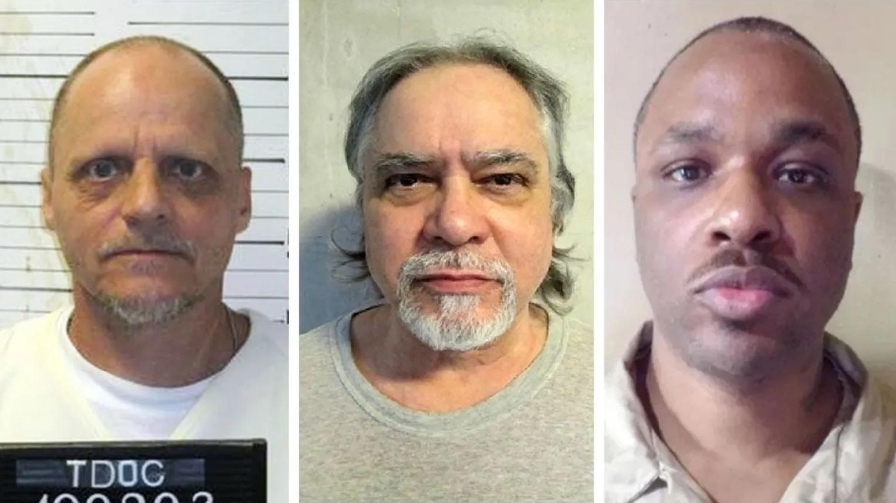
Williams’ execution came during a historic surge in capital punishment across the United States in 2026. On the exact same evening, two other death row inmates Carlos Cuesta-Rodriguez in Oklahoma and Anthony Darrell Hines in Tennessee were put to death by lethal injection for separate murder convictions. The simultaneous executions marked the first time in 16 years that three states carried out capital punishment on a single day.
The nationwide pace of executions has picked up significantly throughout 2026, building on a notable multi-year increase in capital punishment activity across several death penalty states. So far this year, states have carried out 22 executions, driven heavily by active dockets in Florida, Texas, Oklahoma, and Alabama. Legal analysts attribute the rising numbers to a combination of cleared post-conviction appeal backlogs, resolved state protocol challenges regarding lethal injection drugs, and reduced intervention from federal appellate courts.
The rapid clip of capital punishment has renewed intense national debate over the death penalty, drawing mixed reactions from legal scholars, victim advocates, and death penalty opponents. While advocacy groups like the Death Penalty Information Center point to systemic concerns and the heightened pace of state-sanctioned deaths, proponents and prosecutors argue that the steady administration of capital punishment offers definitive accountability and long-delayed justice for the victims of severe violent crimes.
RELATED
𝗧𝗨𝗣𝗔𝗖 𝗦𝗛𝗔𝗞𝗨𝗥 𝗔𝗟𝗟𝗘𝗚𝗘𝗗 𝗞𝗜𝗟𝗟𝗘𝗥 𝗙𝗜𝗡𝗔𝗟𝗟𝗬 𝗢𝗡 𝗧𝗥𝗜𝗔𝗟 𝗡𝗘𝗔𝗥𝗟𝗬 𝟯𝟬 𝗬𝗘𝗔𝗥𝗦 𝗟𝗔𝗧𝗘𝗥